
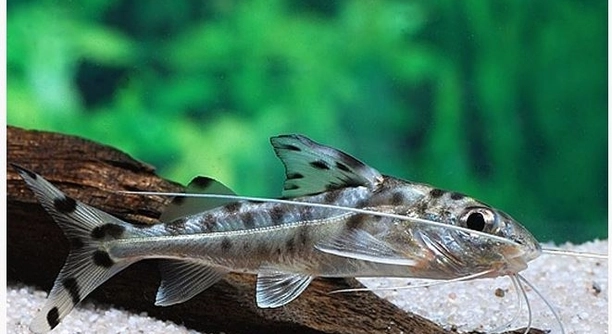
Is your pictus catfish not getting any bigger, even after weeks or months of proper feeding and tank care?
Pictus catfish may stop growing due to poor water quality, limited tank space, stress from tank mates, or improper diet. Identifying and correcting these issues can promote healthy development and restore normal growth in your fish.
From tank conditions to feeding habits, understanding these seven reasons will help you create a healthier environment for your pictus catfish to thrive.
Poor Water Quality
Poor water quality is one of the main reasons your pictus catfish might not be growing. These fish are sensitive to ammonia, nitrites, and high nitrate levels. If the tank isn’t properly cycled or cleaned regularly, toxins can build up quickly and affect your fish’s health. Overfeeding, infrequent water changes, and a lack of proper filtration all contribute to water problems. Pictus catfish need clean, oxygen-rich water with stable parameters to grow. It’s important to test your water weekly, maintain a good filter, and perform partial water changes consistently. Using a gravel vacuum can also help reduce waste buildup.
Check the water temperature, too. Pictus catfish prefer warmer water between 75°F and 81°F.
Stay consistent with testing and maintenance to give your fish a stable and healthy environment. Clean water helps reduce stress and supports proper growth throughout their lifespan.
Inadequate Tank Size
Small tanks can limit your pictus catfish’s growth and overall well-being.
Pictus catfish are active swimmers and need plenty of space to move around. A tank that’s too small restricts movement and increases waste concentration, both of which can slow growth. A minimum tank size of 55 gallons is ideal for a single fish, though larger is better if you plan to keep more. Cramped conditions also cause stress, making the fish more prone to illness and less likely to eat well. Growth is closely tied to physical comfort and water quality, and both suffer in a small tank. Many people start with small aquariums without realizing how fast these fish grow and how much room they truly need. It’s also important to consider the tank’s shape—longer tanks are better than tall ones, as they provide more swimming space. Rehoming them into a larger tank can have a noticeable impact on their activity level and appetite.
Stress From Tank Mates
Aggressive or overly active tank mates can cause stress, preventing your pictus catfish from growing properly. Constant hiding, lack of food access, and territorial pressure all lead to decreased activity and stunted development in a shared tank.
Pictus catfish do best with peaceful, similarly sized fish. Housing them with larger or aggressive species can cause ongoing stress. When threatened or harassed, they may stay hidden most of the time, which affects feeding and general activity. Even overly active fish can be a problem, as they may outcompete your catfish during feeding times. Make sure to observe the tank’s behavior during feeding and throughout the day. If you notice your pictus is always in hiding or showing signs of stress, it may be time to separate them or change their tank mates. Creating a peaceful environment helps promote healthier behaviors and better long-term growth for your catfish.
Adding hiding spots won’t fully solve this issue. Stress from incompatible fish affects appetite and immune function, slowing growth over time. Monitor interactions closely and aim for calm, compatible companions. If needed, rehome aggressive fish or set up a species-only tank. Keeping tank mates in check is just as important as water quality and diet.
Inconsistent Feeding Routine
Inconsistent feeding routines can lead to poor growth. Feeding too little or at irregular intervals means your pictus catfish may not be getting the nutrition it needs. Skipping feedings or overfeeding some days can confuse its natural rhythm.
Pictus catfish thrive on consistency. Feeding them once or twice daily with proper amounts helps maintain steady growth. Uneven feeding patterns can disrupt their metabolism and impact their ability to process nutrients. When feeding, make sure they’re actually eating—some fish might eat quickly while your pictus misses out. Use sinking pellets or protein-rich frozen foods like bloodworms to ensure they get their share. Overfeeding can pollute the water, while underfeeding stunts growth, so measure portions carefully. Try feeding at the same time each day. Consistent routines also make it easier to monitor their appetite and health. This simple habit plays a big role in supporting their development.
Poor Diet Quality
A low-quality or unbalanced diet can prevent your pictus catfish from growing properly. They need protein-rich food to support growth, and flakes or generic pellets may not be enough.
Focus on offering high-protein sinking pellets, bloodworms, and brine shrimp. Rotating foods helps meet their nutritional needs more completely.
Lack of Hiding Spots
Pictus catfish need places to hide. Without caves, driftwood, or plants, they can feel exposed and stressed, which may impact their growth.
Add tunnels or decorations to give them shelter. A secure space encourages natural behavior and helps reduce anxiety-related stunting.
Genetics
Some pictus catfish naturally grow slower or stay smaller than others due to genetics. Even in ideal conditions, their growth rate may vary.
This is normal and doesn’t always signal a health issue, especially if they’re eating well and behaving normally.
FAQ
Why is my pictus catfish still small after months?
If your pictus catfish hasn’t grown much after several months, water quality and tank size are the most common reasons. Poor water conditions stress the fish and limit growth. A tank that’s too small restricts swimming space, which can also slow development. Make sure to check your water parameters regularly and consider upgrading to a larger tank if needed. Consistent feeding with proper nutrition is also key to encouraging steady growth.
How often should I feed my pictus catfish?
Feeding your pictus catfish once or twice a day is enough. Overfeeding can pollute the tank and harm your fish’s health. Use sinking pellets or frozen foods rich in protein, such as bloodworms or brine shrimp. Watch to make sure your catfish is eating during feeding times, especially if it shares the tank with faster or more aggressive eaters.
Can stress from other fish stunt my pictus catfish’s growth?
Yes. Stress caused by aggressive or overly active tank mates can prevent your pictus catfish from eating and moving normally. This stress slows their metabolism and weakens their immune system, which impacts growth. Choose calm, compatible fish to keep with your pictus, and provide plenty of hiding spots.
What water conditions are best for pictus catfish growth?
Pictus catfish prefer water temperatures between 75°F and 81°F, with a pH around 6.5 to 7.5. Ammonia and nitrites should always be at zero, and nitrates kept low through regular water changes. Clean, well-oxygenated water supports healthy growth and reduces stress.
Can genetics affect how big my pictus catfish gets?
Yes, genetics can influence the size and growth rate of your pictus catfish. Some individuals naturally grow slower or remain smaller even under ideal care. This is normal and does not usually indicate health problems if the fish is active and eating well.
How do I know if my pictus catfish is stressed?
Signs of stress include hiding frequently, refusing to eat, clamped fins, and unusual swimming behavior like darting or staying at the tank bottom. If you notice these signs, check water quality, tank mates, and feeding routines. Improving these factors often helps reduce stress and promotes growth.
Are live plants necessary for pictus catfish growth?
Live plants are not required but can improve tank conditions by providing hiding spots and better oxygen levels. Plants also reduce stress by making the environment feel safer. This can indirectly support better growth by encouraging natural behavior and reducing anxiety.
What should I do if my pictus catfish stops growing suddenly?
Sudden growth stoppage often points to changes in water quality, diet, or tank environment. Test water parameters immediately and observe tank mates for aggression. Review feeding practices to ensure the fish is getting enough nutrition. Making timely adjustments usually helps your fish return to normal growth patterns.
Is it normal for pictus catfish growth to slow as they age?
Yes, pictus catfish grow quickly when young but slow down as they reach adulthood. Growth may appear to stop, but this is a natural part of their life cycle. Adult fish focus more on maintaining health than increasing size.
How can I encourage faster growth in my pictus catfish?
Provide stable, clean water with proper temperature and pH, feed a balanced, protein-rich diet consistently, and avoid stress by choosing peaceful tank mates. Regular water changes and enough space for swimming also support healthy, steady growth.
Your pictus catfish’s growth depends on several important factors working together. Good water quality is one of the most critical things to watch. Regular testing and cleaning help keep ammonia, nitrites, and nitrates at safe levels. These fish need clean, well-oxygenated water to stay healthy and grow properly. Along with water quality, the size of the tank matters a lot. A small tank limits movement and can make the environment stressful. Pictus catfish are active swimmers and need enough space to explore and feel comfortable. Keeping them in a spacious tank supports their natural behavior and helps encourage growth.
Another key point is diet. Pictus catfish require a protein-rich diet to support their development. Feeding them sinking pellets designed for carnivorous fish, along with occasional live or frozen foods like bloodworms or brine shrimp, gives them the nutrition they need. It’s also important to feed consistently and avoid overfeeding. Overfeeding can pollute the water and cause health problems, while underfeeding can slow growth. Stress plays a big role too. If your fish is constantly stressed by aggressive tank mates or a lack of hiding places, it won’t grow well. Providing a peaceful environment with plenty of cover can make a noticeable difference in their well-being.
Lastly, remember that some factors like genetics naturally affect growth rates and adult size. Not all pictus catfish will grow at the same speed or reach the same size, even in perfect conditions. Paying close attention to water conditions, tank size, feeding habits, and stress levels will help your fish grow as well as possible. Regular observation and care allow you to spot problems early and make adjustments before growth stalls. By combining good tank management with proper feeding and thoughtful tank mate selection, you can create the best environment for your pictus catfish to thrive and grow healthy over time.

Hello,
If you enjoy the content that we create, please consider saying a "Thank You!" by leaving a tip.
Every little bit helps us continue crafting quality advice that supports the health, happiness, and well-being of pets around the world, for pets of all shapes, sizes, and species.
We really appreciate the kindness and support that you show us!