
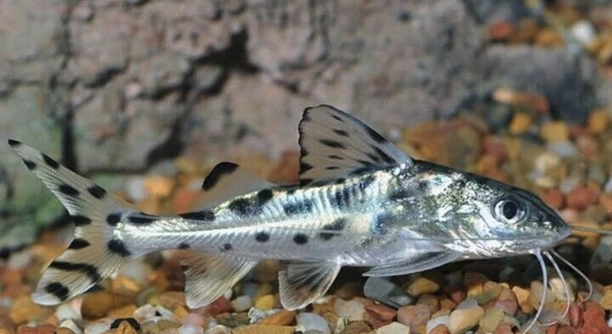
Many people enjoy keeping Pictus catfish as pets because of their peaceful nature and unique appearance. These small fish can bring life to any aquarium, but understanding their behavior can sometimes be tricky. Knowing if your catfish is comfortable around you helps build a stronger bond.
Pictus catfish show signs of liking their owner through increased activity near you, swimming calmly when approached, and occasionally interacting with your hand or presence. These behaviors indicate comfort and trust in their environment and with their caretaker.
Recognizing these subtle signs can make caring for your Pictus catfish more rewarding and enjoyable. Learning how they express affection adds depth to your connection with this fascinating fish.
How Pictus Catfish Show Affection
Pictus catfish show affection in several clear ways. When they feel comfortable, they often swim close to the glass where you watch them. They may follow your movements calmly without sudden bursts of fear or hiding. Some even swim alongside your hand when you gently place it in the tank. This behavior shows trust and curiosity rather than stress. You might notice them becoming more active around feeding time, recognizing you as the source of food. These catfish tend to be shy but will become more outgoing as they get used to your presence. They also use body language like flicking their barbels or swimming near decorations you interact with. Watching these small signals can help you understand their mood and how much they accept you in their space.
This calm and curious behavior is a strong sign your Pictus catfish is comfortable and trusts you.
Understanding these actions helps deepen your bond and improves your fish care skills.
Building Trust with Your Pictus Catfish
Building trust with your Pictus catfish takes patience and consistency. They respond well to a calm environment without sudden movements or loud noises. Feeding them regularly at the same time each day helps them recognize you as a positive presence. Avoid tapping on the glass or making abrupt changes to their tank setup. Instead, try to approach the aquarium slowly and speak softly if you like. Over time, your catfish will link you with food and safety, making them more likely to swim near you. Offering live or frozen food occasionally can also encourage interaction. Remember, each fish has its own personality, so some may take longer to open up. Respect their pace and observe their reactions carefully.
With time and gentle care, your Pictus catfish will grow more comfortable around you.
Consistency and patience are key to earning their trust and affection.
Recognizing Pictus Catfish Behavior
Pictus catfish are active swimmers who enjoy exploring their tank. They usually rest during the day and become more active at night. Watching their patterns can help you understand their mood and comfort level.
Their barbels, or whiskers, are very sensitive and help them navigate and find food. When your catfish flicks these barbels near you or your hand, it can be a sign they are curious and comfortable. If they swim away quickly or hide, it usually means they feel threatened or stressed. Calm, slow movements from you encourage more positive interactions. These fish like places to hide but also appreciate open space to swim freely. When they feel secure, their colors appear brighter, and they behave more confidently around the tank.
Noticing these small behaviors helps you connect better with your catfish and keep their environment healthy and stress-free.
How Feeding Time Builds a Connection
Feeding time is a great chance to strengthen your relationship with your Pictus catfish. They quickly learn to associate you with food, which helps build trust. Feeding them at the same time every day creates a routine they can depend on. Using live or frozen food like bloodworms or brine shrimp can encourage more interest and activity. When you feed your catfish by hand or drop food near your presence, they may swim closer to you and even seem to recognize your approach. This behavior shows they are comfortable and trust you enough to come out in the open during feeding.
Providing fresh, varied food and keeping the tank clean also improves their overall health and mood. Healthy fish are more likely to show affection and interact positively. Feeding time becomes a quiet moment of connection that benefits both of you.
Signs of Comfort Around You
Pictus catfish that feel comfortable will swim closer to your presence without signs of fear. They might explore the tank openly and not hide as often. This shows they trust their environment and you.
Comfortable catfish often display relaxed swimming patterns. They don’t dart or freeze when you approach, which means they recognize you as non-threatening.
Interaction Through Tank Activity
Pictus catfish express interest by investigating changes in their tank, including your movements. They may swim around decorations you touch or follow the movement of your hand on the glass. These small interactions show curiosity and comfort with your presence. When your catfish engages like this, it means they are comfortable in their space and with you nearby. Spending time observing these behaviors builds understanding and helps you respond better to their needs. These signs indicate a positive relationship and a well-adjusted pet.
Avoiding Stress Triggers
Avoid sudden loud noises and fast movements near the tank. Pictus catfish are sensitive and stress easily.
FAQ
How can I tell if my Pictus catfish is happy?
A happy Pictus catfish swims actively, explores its tank, and shows curiosity around your presence. They will eat well, display bright colors, and have smooth, steady movements. When they are relaxed, they may rest in open areas instead of hiding all the time. Watching for these signs helps confirm their comfort and well-being.
Why does my Pictus catfish hide so much?
Hiding is normal behavior when your catfish feels stressed or unsure. Changes in water quality, sudden noises, or unfamiliar surroundings can cause them to seek shelter. Make sure their tank is clean, stable, and quiet. Provide plenty of hiding spots like plants or decorations to help them feel secure.
Can Pictus catfish recognize their owners?
While fish don’t recognize faces like mammals, Pictus catfish can learn to associate you with food and safety. They may swim closer when you approach, especially around feeding time, showing familiarity and trust.
Is it okay to touch my Pictus catfish?
It’s best to avoid touching your Pictus catfish directly. Their skin and barbels are sensitive and can be damaged easily. Instead, interact by moving slowly near the tank and offering food to build trust.
What kind of food do Pictus catfish prefer?
They enjoy a diet of sinking pellets, live or frozen foods like bloodworms, brine shrimp, and small insects. A varied diet keeps them healthy and encourages activity. Feeding small amounts twice a day works well.
How often should I feed my Pictus catfish?
Feeding twice daily is usually sufficient. Avoid overfeeding, as leftover food can pollute the tank and harm water quality. Remove uneaten food after a few minutes to keep the environment clean.
Why does my Pictus catfish swim near the surface?
Swimming near the surface can mean they are searching for food or oxygen. Make sure your tank has proper aeration and clean water. If this behavior is frequent, check water parameters, as poor oxygen levels can stress fish.
Can Pictus catfish live with other fish?
Yes, Pictus catfish are peaceful and usually do well in community tanks. Avoid keeping them with very aggressive or much larger fish that might harm them. Provide enough space and hiding spots to reduce stress.
What temperature is best for Pictus catfish?
They prefer water between 72°F and 79°F (22°C to 26°C). Maintaining stable temperature within this range keeps them comfortable and healthy.
How do I reduce stress for my Pictus catfish?
Keep the tank environment stable by avoiding sudden changes in temperature, lighting, and water quality. Limit loud noises and fast movements near the tank. Provide hiding spots and maintain a clean, well-filtered aquarium.
What signs show that my Pictus catfish dislikes me?
If your catfish constantly hides, darts away when you approach, or refuses food, it may be stressed or uncomfortable with your presence. Adjusting your approach by being gentler and more patient can help them feel safer over time.
Can Pictus catfish be trained to respond to my presence?
They can learn to associate you with feeding and become more comfortable around you. While not trainable like some pets, regular routines and gentle interaction encourage positive responses. Patience is important.
Final Thoughts
Understanding your Pictus catfish’s behavior takes time and careful observation. These fish are naturally shy and cautious, so they won’t show affection in obvious ways like some pets might. Instead, their comfort and trust are shown through small signs such as swimming near you, exploring the tank openly, and responding calmly to your presence. Paying attention to these behaviors helps you learn what makes your catfish feel safe and happy. When you recognize their signs of trust, it becomes easier to care for them properly and create a better environment.
Building a connection with your Pictus catfish is a gradual process. Patience is key because they respond best to a steady routine and calm interactions. Feeding them regularly at set times and offering a variety of healthy foods helps build familiarity. Avoiding sudden movements and loud noises near the tank reduces their stress and encourages more natural behavior. Over time, your catfish may swim closer to you and show curiosity, which means they accept you as part of their space. Respecting their personality and needs will deepen this quiet but meaningful bond.
Taking care of your Pictus catfish means creating an environment that supports their well-being. Clean water, proper temperature, and plenty of hiding places contribute to their comfort. Watching their behavior regularly helps you notice any changes that might indicate stress or illness. By being observant and gentle, you help your catfish live a healthy, peaceful life. This attention not only benefits the fish but also adds to the enjoyment of keeping them as pets. Your understanding and care make a real difference in how your Pictus catfish thrives in your home.

Hello,
If you enjoy the content that we create, please consider saying a "Thank You!" by leaving a tip.
Every little bit helps us continue crafting quality advice that supports the health, happiness, and well-being of pets around the world, for pets of all shapes, sizes, and species.
We really appreciate the kindness and support that you show us!