
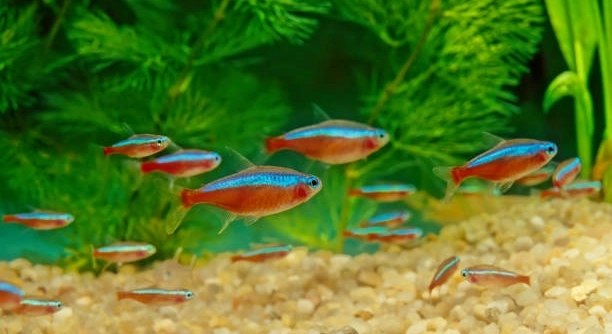
Are your tetra fish tank conditions causing concern? Keeping a balanced tank is essential for the health and happiness of your fish. Many common signs indicate when a tetra tank is out of balance and needs attention.
An unbalanced tetra tank shows specific signs such as cloudy water, algae overgrowth, stressed or lethargic fish, uneven temperature, improper pH levels, poor filtration, and abnormal fish behavior. Recognizing these signs early helps maintain a healthy aquatic environment.
Identifying these indicators will help you act quickly to restore balance and improve your tetra tank’s overall condition and your fish’s wellbeing.
Cloudy Water and Algae Overgrowth
Cloudy water is one of the most noticeable signs of an unbalanced tetra tank. It often results from excess waste, uneaten food, or insufficient filtration. When the water turns murky, it can stress your fish and reduce oxygen levels. Alongside cloudy water, algae growth can become excessive, covering the glass and decorations. Algae thrive in tanks with too much light or excess nutrients like nitrates and phosphates. This overgrowth disrupts the tank’s natural balance and can make the environment unhealthy for your fish. Regular water changes, controlling feeding amounts, and maintaining the filter help keep water clear and algae under control.
Algae buildup and cloudy water can make your tank look neglected and can harm your fish’s health if left untreated.
Managing algae and keeping water clear requires consistent care. Monitoring light exposure and cleaning surfaces regularly will help. Avoid overfeeding to reduce waste buildup. Using a good-quality filter and changing part of the water weekly supports water clarity. Testing water parameters often prevents imbalances. These small steps will keep your tetra tank looking clean and your fish comfortable.
Temperature and pH Imbalances
Temperature and pH levels are critical for tetra fish health. Tetras prefer stable temperatures around 72–80°F (22–27°C) and a slightly acidic to neutral pH, typically between 6.0 and 7.5. Sudden fluctuations in temperature can cause stress and weaken their immune systems. Similarly, pH shifts can affect fish metabolism and behavior. Monitoring these factors regularly is important, especially after water changes or adding new fish.
An unsteady environment disrupts fish health and can lead to illness.
Keeping temperature and pH stable means using reliable heaters and test kits. Avoid placing tanks near windows or drafts to prevent temperature swings. Water changes should be done gradually to keep pH consistent. Using natural decorations like driftwood can help maintain acidity. Balancing these parameters supports healthy fish activity and longevity. Paying attention to these details ensures your tetra tank stays balanced and comfortable for its inhabitants.
Stressed or Lethargic Fish
Stressed or lethargic tetras often indicate poor tank conditions. Stress weakens their immune system, making them more prone to disease. Lethargy usually means the fish are uncomfortable with the water quality or environment.
Stress in tetras can be caused by overcrowding, sudden changes in water parameters, or aggressive tank mates. When stressed, fish may hide more often, lose their vibrant colors, or stop eating. Lethargy is a sign they are conserving energy because something in their environment is wrong. It’s important to observe fish behavior regularly to catch these issues early. Taking prompt action helps prevent illness and improves their quality of life.
Maintaining a calm environment and stable water conditions is key. Ensure the tank isn’t overcrowded and that the water is clean and properly filtered. Avoid rapid changes in temperature or pH. Provide hiding places to reduce stress and allow tetras to feel safe. Keeping an eye on their activity and appearance will help you spot problems before they worsen.
Poor Filtration
Poor filtration leads to waste buildup and unhealthy water conditions. A filter that is too small or clogged cannot keep the tank clean or oxygenated.
A properly working filter removes harmful substances like ammonia and nitrites that can poison fish. Without adequate filtration, toxins accumulate quickly, causing illness and stress. Filters also help circulate water, maintaining oxygen levels essential for fish survival. If the filter is not cleaned or replaced regularly, it will lose efficiency and fail to support a balanced environment. Choosing the right filter for your tank size and stocking level is crucial for keeping your tetra tank healthy.
Regular maintenance, including rinsing filter media in tank water, will keep the system functioning well. Upgrading to a filter designed for your tank’s volume ensures better water quality. Combining mechanical, chemical, and biological filtration improves waste breakdown and water clarity. Good filtration is fundamental for preventing many common tetra tank problems.
Uneven Temperature Distribution
Uneven temperature within the tank stresses tetras and affects their health. This often happens when heaters are poorly placed or malfunctioning. Consistent warmth is essential for their well-being.
Temperature fluctuations can cause lethargy, weakened immunity, and increased susceptibility to disease. Using a reliable heater and a thermometer helps maintain stable conditions.
Improper pH Levels
Improper pH levels disrupt tetra fish metabolism and can cause stress or death. Maintaining pH between 6.0 and 7.5 is ideal for their health. Sudden changes can shock fish and should be avoided through gradual adjustments.
Testing pH regularly with a reliable kit is important. Using natural additives like driftwood or peat moss can help keep pH stable, supporting a balanced environment and healthy fish.
Abnormal Fish Behavior
Abnormal behavior such as erratic swimming, gasping at the surface, or hiding excessively signals distress. These behaviors often indicate water quality issues or illness that need prompt attention. Monitoring behavior helps detect problems early and protects your fish.
FAQ
How often should I change the water in my tetra tank?
Regular water changes are vital for maintaining a balanced tank. It is recommended to change 20-30% of the water every one to two weeks. This helps remove accumulated waste and toxins that the filter may not catch. Avoid changing too much water at once to prevent sudden shifts in water parameters, which can stress your fish.
What is the best way to clean the tank without harming the fish?
Use a siphon to remove debris and waste from the substrate during water changes. Clean algae off the glass with a soft scraper or sponge specifically made for aquariums. Avoid using soap or harsh chemicals, as they can be toxic. Rinse filter media in old tank water to preserve beneficial bacteria.
Can I keep other fish with tetras without causing stress?
Yes, but choose tank mates carefully. Tetras are small, peaceful fish that prefer similar water conditions. Avoid aggressive or much larger fish that may intimidate or harm them. Suitable companions include small peaceful species like guppies, rasboras, or Corydoras catfish.
Why is my tetra tank water always cloudy?
Cloudy water usually results from excess waste, overfeeding, or an unbalanced bacterial colony. Overfeeding leaves uneaten food that decomposes and clouds the water. A new tank may also experience “new tank syndrome,” where beneficial bacteria haven’t established yet. Regular maintenance and patience will clear the water.
What temperature is best for tetras?
Tetras thrive in temperatures between 72°F and 80°F (22°C–27°C). Maintaining a stable temperature within this range supports their immune system and natural behavior. Sudden temperature changes can cause stress and illness.
How do I know if the pH level is correct?
Use an aquarium test kit to measure pH regularly. Tetras prefer slightly acidic to neutral water, ideally between 6.0 and 7.5. Keep the pH stable to avoid stressing your fish. Adjustments should be made slowly, using natural materials like driftwood or commercial products designed for aquarium use.
What causes algae overgrowth and how can I prevent it?
Algae thrive when there is excess light or nutrients like nitrates and phosphates in the water. Overfeeding and poor filtration can increase nutrient levels. Control lighting by limiting daily exposure to about 8-10 hours. Regular water changes and proper feeding help reduce nutrients that feed algae.
Why are my tetras hiding all the time?
Fish hiding constantly often feel stressed or threatened. Possible causes include poor water quality, sudden changes in the tank environment, or aggressive tank mates. Providing adequate hiding places with plants or decorations can help them feel safe and reduce stress.
Can improper filtration harm my tetras?
Yes. A filter that is too small or clogged fails to remove harmful waste and toxins. This leads to poor water quality, stressing fish and increasing disease risk. Choose a filter rated for your tank size and maintain it regularly for effective performance.
How do I treat stressed fish in my tank?
First, identify the cause—poor water quality, incorrect temperature, or aggressive tank mates. Perform partial water changes to improve water quality. Ensure temperature and pH are stable. If needed, isolate stressed fish in a quarantine tank to monitor and treat illnesses separately.
Is overfeeding a common cause of tank imbalance?
Yes, overfeeding is a frequent mistake. Uneaten food decomposes and increases waste, clouding the water and feeding algae growth. Feed small amounts your fish can finish within two minutes, once or twice daily. This helps maintain cleaner water and healthier fish.
How can I encourage natural behavior in my tetra fish?
Provide a tank environment that mimics their natural habitat. Use plants, hiding spots, and open swimming areas. Stable water conditions with proper temperature and pH also promote natural activity. Avoid overcrowding, as it increases stress and reduces normal behavior.
What should I do if I notice abnormal fish behavior?
Abnormal behavior like erratic swimming, gasping at the surface, or hiding may signal health or water quality problems. Test your water parameters immediately and perform partial water changes if needed. Observe for signs of disease and consider consulting a vet or experienced aquarist for advice.
Maintaining a balanced tetra tank requires consistent care and attention. Recognizing the signs of imbalance early on can prevent many common problems. Cloudy water, algae overgrowth, stressed or lethargic fish, and improper temperature or pH levels are clear indicators that your tank needs adjustments. Paying close attention to these factors helps create a healthy and comfortable environment for your tetras. Consistent water changes, proper filtration, and stable conditions are key elements to keep your tank in balance.
Taking the time to monitor your tank regularly will also improve your fish’s quality of life. When tetras feel safe and their environment is well maintained, they are more likely to display natural behaviors and vibrant colors. Small habits such as avoiding overfeeding, providing hiding places, and keeping equipment well maintained make a big difference. A well-balanced tank reduces stress on your fish and lowers the risk of disease, which means fewer worries for you.
In the end, success with a tetra tank comes down to understanding their needs and acting promptly when signs of imbalance appear. With steady care and proper maintenance, you can enjoy a thriving aquarium that brings both beauty and calm to your space. Keeping your tetra tank balanced not only benefits the fish but also creates a more enjoyable experience for you as an aquarium keeper. The effort is worth it for the peaceful, healthy environment you build.

Hello,
If you enjoy the content that we create, please consider saying a "Thank You!" by leaving a tip.
Every little bit helps us continue crafting quality advice that supports the health, happiness, and well-being of pets around the world, for pets of all shapes, sizes, and species.
We really appreciate the kindness and support that you show us!