
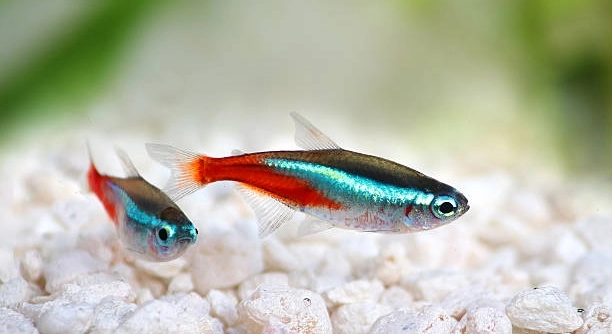
Are your tetra fish showing signs of poor appetite or unusual behavior? Stress can affect their eating habits and overall health. Knowing how to recognize stress in tetra fish is important for maintaining a healthy aquarium environment.
Tetra fish often exhibit specific signs when they are too stressed to eat. These signs include loss of color, hiding frequently, rapid gill movement, erratic swimming, clamped fins, lethargy, and refusal to accept food. Recognizing these symptoms early helps prevent serious health problems.
Identifying these stress signs will help you take timely action to improve your tetra’s well-being and ensure they stay healthy and active.
Loss of Color and Hiding Behavior
When tetra fish become stressed, one of the first signs you might notice is a dulling or fading of their vibrant colors. This change happens because stress affects their immune system and overall health, reducing their ability to maintain bright coloration. Along with this, stressed tetras often seek hiding spots more frequently than usual. They might stay behind plants, decorations, or in corners of the tank, avoiding open water and interaction. This behavior is a natural defense mechanism to protect themselves from perceived threats. Watching for these changes in color and behavior is an important step in recognizing when your fish might be experiencing too much stress.
Loss of color and hiding are clear indicators that your tetra is uncomfortable. These signs should prompt a closer look at tank conditions and potential stress sources.
Addressing the reasons behind these changes can improve your tetra’s health quickly. Stress may result from poor water quality, aggressive tank mates, or sudden changes in the environment. Testing water parameters regularly, ensuring proper tank size, and providing plenty of hiding spots can reduce stress. Avoid overcrowding and maintain a stable routine for feeding and cleaning. Making these adjustments helps your tetra regain its color and confidence, encouraging it to eat normally again.
Rapid Gill Movement and Erratic Swimming
Rapid gill movement often signals that a tetra is struggling to breathe, which can be caused by stress or poor water quality. This increased breathing rate is a sign the fish is working harder to get enough oxygen. Along with this, stressed tetras may swim erratically or dart around the tank, showing signs of nervousness or discomfort. Both behaviors suggest an immediate need to check tank conditions and remove any factors that could be causing distress.
Rapid gill movement and erratic swimming are urgent signs that should not be ignored.
Ensuring your aquarium’s water is well-oxygenated and free from toxins is essential to prevent stress. Poor filtration, overcrowding, or dirty water can reduce oxygen levels, forcing your tetra to struggle for air. Installing an air stone or increasing surface agitation can help improve oxygen circulation. Observe your fish closely and take immediate action if these signs appear, as prolonged stress can lead to illness or death. Keeping a calm, clean environment supports healthy breathing and normal swimming patterns, helping your tetra return to regular eating habits and overall well-being.
Clamped Fins
Clamped fins occur when a tetra holds its fins close to its body instead of spreading them out. This is a clear sign of stress or discomfort and often accompanies other symptoms like hiding or loss of appetite.
Clamped fins can result from poor water conditions, sudden changes in temperature, or aggressive tank mates. When fish feel threatened or unwell, they try to minimize exposure by tucking their fins in. It’s important to check the tank’s water parameters, including ammonia, nitrite, nitrate, and pH levels, to ensure a stable environment. Stress from overcrowding or improper diet can also cause this behavior, so evaluating these factors is necessary to help your tetra recover.
If you notice clamped fins, improving water quality and reducing stressors is essential. Regular water changes and proper tank maintenance can prevent further health decline. Providing a peaceful environment with plenty of hiding places helps your tetra relax and regain normal fin posture, encouraging better feeding behavior.
Lethargy and Refusal to Eat
Lethargy in tetra fish means they become inactive, often resting at the bottom or staying still for long periods. This behavior, combined with refusal to eat, signals significant stress or illness.
When tetras stop eating, it usually indicates something is wrong with their environment or health. Stress weakens their immune system, making them more vulnerable to infections. Poor water quality, incorrect temperature, or lack of proper nutrition can cause lethargy and appetite loss. Observing these signs early allows you to adjust tank conditions promptly. Feeding high-quality food in smaller amounts can stimulate their appetite. It’s important to avoid overfeeding or sudden diet changes that might worsen stress. By maintaining consistent care, you support your tetra’s recovery and encourage them to eat regularly again.
Rapid Gill Movement
Rapid gill movement is a sign that your tetra is struggling to breathe properly. This can be caused by low oxygen levels, poor water quality, or illness.
It is important to check the tank’s oxygen supply and water parameters to ensure your fish can breathe comfortably.
Erratic Swimming
Erratic swimming shows your tetra is stressed or uncomfortable. This behavior often results from sudden changes in the tank or the presence of aggressive tank mates. It can also indicate illness or poor water conditions, making it important to identify and fix the underlying cause quickly.
Frequent Hiding
Tetras that hide frequently are trying to avoid stress or threats in their environment. This behavior usually means they are feeling unsafe or overwhelmed by their surroundings.
Loss of Appetite
When tetra fish lose interest in food, it is often a sign of stress or illness. Persistent refusal to eat needs prompt attention to prevent further health decline.
FAQ
How can I reduce stress in my tetra fish?
Reducing stress in tetra fish starts with maintaining stable and clean water conditions. Regular water changes, testing water parameters, and avoiding sudden changes in temperature or pH help keep your tank environment healthy. Providing enough space, hiding spots, and peaceful tank mates also reduces stress. Avoid overcrowding and sudden loud noises near the aquarium. Feeding a balanced diet suited for tetra fish supports their immune system and overall well-being.
What water parameters are best for tetra fish?
Tetras thrive in water with a temperature between 72°F and 80°F (22°C to 27°C). The pH should be mildly acidic to neutral, ideally between 6.0 and 7.5. Ammonia and nitrite levels must always be at zero, while nitrate should be kept below 20 ppm. Maintaining these parameters reduces stress and helps prevent disease.
Why do stressed tetras refuse to eat?
Stress impacts a tetra’s appetite by affecting its metabolism and behavior. Poor water quality, aggressive tank mates, or illness can cause tetras to stop eating. When stressed, fish may hide or become lethargic, losing interest in food. It’s important to identify and fix the cause quickly to avoid malnutrition and further health problems.
How long does it take for a stressed tetra to recover?
Recovery time varies depending on the cause and severity of stress. Minor stress may resolve within a few days after improving tank conditions. More serious problems, like illness or prolonged poor water quality, can take weeks. Consistent care, proper feeding, and a calm environment speed up recovery.
Can changes in tank mates cause stress in tetras?
Yes, introducing aggressive or incompatible tank mates can cause significant stress. Tetras are peaceful fish and do best with other non-aggressive species. Bullying or competition for food causes anxiety and impacts their health. Always research compatibility before adding new fish.
Is hiding always a bad sign in tetras?
Not always. Tetras sometimes hide naturally, especially when resting or feeling safe. However, frequent or prolonged hiding combined with other stress signs usually indicates a problem. It’s important to observe other behaviors and check tank conditions to decide if intervention is needed.
What should I do if my tetra shows multiple stress signs?
If multiple stress signs appear, start by testing water quality and making necessary adjustments. Perform partial water changes and clean the tank regularly. Check for aggressive tank mates or overcrowding. Provide hiding spots and stable lighting. If signs persist, consider consulting a vet or experienced aquarist for diagnosis and treatment.
Are there specific foods that help stressed tetra fish?
High-quality, varied diets support stressed tetras. Offering small amounts of protein-rich foods like brine shrimp or bloodworms can stimulate appetite. Flake or pellet foods formulated for small tropical fish also work well. Avoid overfeeding and remove uneaten food to prevent water pollution.
Can sudden changes in lighting stress tetras?
Yes, tetras are sensitive to light changes. Sudden bright lights or frequent switching on and off can cause stress. Using a consistent light schedule with gradual transitions helps keep fish comfortable. Providing shaded areas or plants allows tetras to retreat if needed.
How often should I clean my tetra’s tank to reduce stress?
Regular maintenance is key. Perform partial water changes of about 20-30% every one to two weeks. Clean the substrate and remove excess waste to prevent toxins. Avoid full cleanings that disrupt beneficial bacteria. Keeping the tank clean supports stable water quality, reducing stress.
Final Thoughts
Stress in tetra fish is a common issue that can seriously affect their health and eating habits. Recognizing the signs of stress early, such as loss of color, hiding, clamped fins, and refusal to eat, is important for their well-being. These signs show that something in the environment is not right for the fish. Taking the time to observe your tetras closely helps you catch problems before they become severe. Small changes in behavior often point to larger issues like poor water quality or aggression from other fish. Addressing these problems quickly can improve your fish’s health and prevent illness.
Maintaining a stable and clean tank environment is key to keeping tetra fish stress-free. This includes regular water testing and changes, proper filtration, and providing enough space and hiding places. Avoiding sudden changes in temperature, lighting, or tankmates also helps reduce stress. Feeding a balanced diet and avoiding overfeeding play a role in supporting your tetra’s immune system. Stress weakens fish, making them more likely to get sick, so a healthy environment supports their ability to resist disease. Consistency in tank care and attention to detail go a long way in keeping your tetras happy and active.
If your tetra fish show signs of stress, patience is important. Recovery can take time depending on the cause and severity. Improving water quality and reducing stressors usually helps fish regain their color, appetite, and normal behavior. Avoid rushing changes or introducing new stress factors. Monitor your fish regularly and keep a calm environment to support their healing. With careful care, most tetras can recover well from stress and return to eating normally. Taking these steps helps ensure a healthy, peaceful tank where your fish can thrive.

Hello,
If you enjoy the content that we create, please consider saying a "Thank You!" by leaving a tip.
Every little bit helps us continue crafting quality advice that supports the health, happiness, and well-being of pets around the world, for pets of all shapes, sizes, and species.
We really appreciate the kindness and support that you show us!