
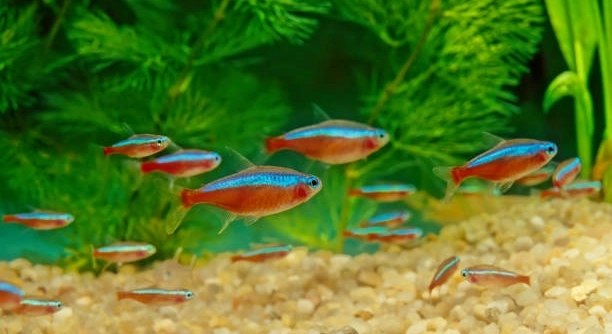
Are your tetras ignoring the new decorations in their tank? It can be frustrating when you put effort into making their environment more interesting, only to see them uninterested or indifferent. This behavior is more common than you might think.
Tetras often ignore new decorations because they need time to adjust to changes in their environment. Stress, unfamiliarity, or improper placement can cause them to avoid new items. Additionally, tetras rely on their natural instincts, so decorations that do not mimic their habitat may be overlooked.
Understanding why your tetras behave this way will help you create a tank environment they enjoy and feel comfortable in. This article explains the key reasons behind their behavior and offers practical tips to engage them better.
Why Tetras Need Time to Adjust to New Decorations
Tetras are naturally cautious fish. When new decorations appear in their tank, they don’t always react immediately. Changes can cause stress, especially if the decorations are unfamiliar or drastically different from their usual environment. This stress makes them hide or avoid interacting with the new objects. Over time, as they become more comfortable, they might start exploring. Placement also plays a role. If decorations block swimming space or light, tetras may stay away. Their behavior depends on the size of the tank and the number of hiding spots available. Gradually introducing decorations can reduce their hesitation. This slow introduction helps maintain a balanced environment, which tetras prefer. Patience is key when observing their reaction to any change in the tank.
Some tetras take longer than others to explore, so watching their behavior closely is important to know when they adjust.
Taking small steps to introduce new decorations creates a calmer tank environment, helping tetras feel safer and more interested over time.
Impact of Decoration Type and Placement on Tetra Behavior
The type of decoration you add can greatly affect how tetras respond. Decorations that resemble their natural habitat, like plants and smooth rocks, encourage exploration. Artificial objects or bright colors may cause them to avoid the area. Tetras rely on natural hiding places for security, so decorations that provide shelter are more appealing. Placement matters too. Decorations placed near filters or heavily trafficked tank areas can disturb them. Too many decorations can reduce swimming space, causing stress. A balance between open swimming areas and hiding spots is essential. Observing how tetras move in the tank after adding decorations will guide future placement decisions. Avoid overcrowding the tank to keep your tetras comfortable and active.
Finding the right decoration balance creates a welcoming environment that supports their natural behavior and reduces stress.
How Stress Affects Tetra Interaction with Decorations
Stress causes tetras to hide and avoid new objects in their tank. Sudden changes in their environment make them uneasy, limiting their curiosity and activity.
When tetras feel stressed, their natural reaction is to seek safety. New decorations can trigger this response if introduced too quickly or without proper acclimation. Stress lowers their interest in exploring and can affect their overall health. They might also retreat to familiar spots, ignoring anything unfamiliar, including decorations meant to enrich their habitat. Consistent water conditions and stable surroundings reduce stress, helping tetras feel secure enough to investigate new tank additions.
Reducing stress involves careful introduction of decorations and maintaining a calm tank environment. This helps tetras regain confidence, encouraging them to engage more with their surroundings over time.
Encouraging Tetras to Explore New Decorations
Creating a comfortable space encourages tetras to explore new items. Adding natural plants and smooth surfaces helps simulate their environment. Soft lighting also makes them feel safer, increasing activity near decorations. Avoid sudden or extreme changes to keep them calm.
Placement is key. Decorations near hiding spots or gentle currents attract tetras more than objects in open, exposed areas. Gradually introducing new decorations allows fish to adjust slowly without feeling threatened. Providing a mix of open space and shelter gives tetras freedom to swim and safe places to retreat. Regular tank maintenance and stable water parameters also contribute to their willingness to explore.
Offering an environment that feels familiar and safe motivates tetras to investigate decorations, making the tank more lively and interesting for both fish and owner.
Recognizing Natural Behavior Patterns
Tetras naturally prefer staying in groups and swimming in the middle to upper levels of the tank. They may avoid decorations that disrupt their usual swimming routes or block light. This behavior is normal and helps them feel secure.
Watching how your tetras move around the tank can reveal if they are comfortable. If they frequently hide or swim away from decorations, it might mean those items do not fit their natural preferences. Adjusting the setup can help align with their instincts.
The Role of Tank Size in Decoration Interaction
Tank size influences how much space tetras have to explore decorations. Smaller tanks limit swimming room, causing stress and less interest in new items. Larger tanks provide ample space for hiding spots and open swimming areas, which encourages natural behavior. When tanks are crowded or overdecorated, tetras may feel trapped and avoid interacting with decorations. Balancing tank size, fish number, and decoration amount is essential for a healthy environment. Properly sized tanks let tetras feel comfortable and curious, increasing their engagement with the surroundings.
Observing Changes Over Time
Tetras often take days or weeks to adjust to new decorations, so patience is important.
FAQ
Why are my tetras hiding from new decorations?
Tetras often hide when introduced to new decorations because they feel unsure or stressed. New objects change their familiar environment, making them cautious. Hiding is a natural defense to avoid perceived threats. Giving them time to adjust and placing decorations gradually helps reduce their fear.
How long does it take for tetras to accept new decorations?
It usually takes anywhere from a few days to a couple of weeks for tetras to get used to new decorations. The adjustment period depends on the decoration type, tank size, and how quickly changes were introduced. Slow and careful introduction helps shorten this time.
Can the wrong type of decoration harm my tetras?
Yes, decorations with sharp edges or toxic materials can injure or stress tetras. Avoid plastic decorations with rough surfaces or paints that might leach chemicals. Stick to smooth, natural materials like driftwood, live plants, or aquarium-safe rocks to keep them safe.
Should I rearrange decorations to get my tetras to interact with them?
Rearranging decorations can encourage exploration, but frequent or sudden changes cause stress. Make small adjustments over several days rather than large changes at once. This approach lets tetras slowly discover new areas without feeling threatened.
Do tetras prefer live plants over artificial ones?
Many tetras feel more comfortable with live plants since they mimic their natural habitat and improve water quality. However, well-made artificial plants can also provide good hiding spots. The key is to provide enough shelter and keep the tank environment stable.
What role does water quality play in tetra behavior around decorations?
Poor water quality stresses tetras and makes them less active, reducing interest in decorations. Keeping water clean, with regular changes and proper filtration, ensures a healthy environment where tetras feel safe to explore.
Can tank mates affect how tetras respond to new decorations?
Yes, aggressive or overly active tank mates can stress tetras, causing them to avoid decorations or hide more often. Ensuring compatible tank mates and enough space reduces stress and encourages natural behavior, including interaction with new objects.
Is it normal for tetras to ignore decorations completely?
It can be normal, especially if the decorations don’t resemble their natural environment or if the tank is overcrowded. Sometimes tetras simply don’t find new objects interesting. Adjusting the style and placement of decorations to better fit their instincts can help.
How can I encourage my tetras to explore new decorations?
Introduce decorations slowly and place them near familiar hiding spots. Adding natural elements like plants or smooth stones helps. Maintain stable water conditions and avoid sudden changes. Observing and adjusting based on their behavior encourages gradual exploration.
What should I avoid when adding decorations to a tetra tank?
Avoid overcrowding the tank with too many decorations, sharp or rough objects, and bright, unnatural colors. These can cause stress, injuries, or disinterest. Prioritize natural, safe materials and keep enough open swimming space for your tetras to move freely.
Final thoughts on why your tetras may be ignoring new decorations focus on understanding their natural behavior and needs. Tetras are sensitive to changes in their environment, and new objects can feel unfamiliar or even threatening at first. This can cause them to hide or avoid the decorations rather than explore them. Patience is important because they need time to adjust and feel safe. Rushing this process or making sudden changes can increase stress and make them less likely to interact with their surroundings. Observing their behavior closely can help you see when they start to become more comfortable.
Another key point is the importance of choosing the right decorations and placing them thoughtfully. Tetras respond best to decorations that resemble their natural habitat, such as live plants, smooth rocks, and driftwood. Decorations that are too bright, artificial, or take up too much space can cause discomfort or confusion. Providing a good balance of hiding spots and open swimming areas encourages natural behavior and curiosity. It’s also essential to consider the size of your tank and the number of fish. Overcrowding or clutter can overwhelm tetras and make them less active overall.
Lastly, maintaining stable water conditions and minimizing stress factors play a big role in how tetras react to changes in their environment. Clean, well-filtered water helps keep them healthy and calm, making them more likely to explore new decorations. Compatible tank mates and a steady routine also contribute to a comfortable habitat. Small, gradual changes are best when introducing anything new. By paying attention to these factors, you can create an environment where your tetras feel secure and interested, improving their well-being and the overall enjoyment of your aquarium.

Hello,
If you enjoy the content that we create, please consider saying a "Thank You!" by leaving a tip.
Every little bit helps us continue crafting quality advice that supports the health, happiness, and well-being of pets around the world, for pets of all shapes, sizes, and species.
We really appreciate the kindness and support that you show us!