
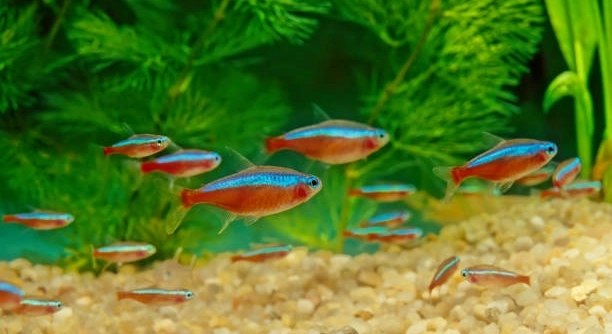
Are your tetras always gathered in the same corner of the tank, no matter what time of day it is?
Tetras often group in one tank corner due to stress, poor water conditions, lack of hiding spots, or improper lighting. This behavior is typically a sign that something in their environment needs adjustment for their well-being.
Exploring what causes this pattern can help you create a more balanced, stress-free space that keeps your tetras comfortable and active.
Common Reasons Tetras Stay in One Corner
Tetras are small, active fish, but when they stay huddled in a corner, something is usually off in their tank. One common reason is stress caused by poor water quality. High ammonia or nitrite levels can make them uncomfortable, even if they seem fine at first glance. Inadequate filtration or missed water changes may lead to this problem. Another reason is tank size. A small tank with little swimming space can make them feel confined. Tetras also need hiding spots like plants or decorations to feel secure. If the tank lacks cover, they may group in one area to feel safer. Light can also influence behavior. Too much brightness or sudden changes in lighting might make them stay in the shadows. Temperature swings, aggressive tank mates, or strong currents can add to their stress. All these factors play a role in how tetras behave in their environment.
Sometimes, new tetras will group in one area as they adjust to their surroundings. This often fades over time.
It’s also helpful to consider the tank’s placement. If the tank is in a noisy area or near constant foot traffic, the fish may retreat to a safer corner. Tetras prefer calm, steady conditions to feel comfortable.
How to Help Them Feel Safe
Start by testing your tank’s water. Check ammonia, nitrites, nitrates, and pH levels using a test kit.
If the water parameters are off, perform a partial water change and clean your filter if needed. Stable water conditions make a big difference in how tetras behave. Next, check the tank’s lighting. Keep it consistent, and avoid sudden switches between light and dark. If the lighting is too harsh, try using floating plants or dimmable lights to soften the effect. Add more cover like live or silk plants, driftwood, or small caves to give your tetras a sense of safety. Avoid overcrowding the tank, as too many fish in a small space can cause anxiety. Make sure the water temperature is steady, between 72–80°F, and that the current from the filter isn’t too strong for them to swim comfortably. Keep an eye on tank mates too—remove or separate any aggressive fish. Over time, with the right adjustments, your tetras should begin to explore the tank more freely.
Environmental Stressors You Might Miss
Loud noises, vibrations, or even frequent tapping on the glass can unsettle your tetras. Sudden movements near the tank may also cause them to hide. These things might seem small, but they add up and can keep your fish on edge.
The area around your tank should be calm and stable. Place it somewhere quiet, away from doors that slam or TVs that stay loud for hours. If the room lights flick on and off all the time, that can also add stress. A steady environment helps fish feel safe enough to swim freely. Avoid loud music, especially with strong bass, since sound travels well through water. If people or pets often move quickly near the tank, consider using a background or placing plants to block some of the movement. Keeping your fish’s space calm and peaceful helps ease their stress over time.
If you’ve recently changed their setup—like moving decorations, adding new fish, or switching their tank location—tetras may respond by hiding or staying in one corner. Even changes in feeding schedules can disrupt their sense of routine. Try to make any updates slowly. Give them time to adjust before making more changes. Consistency helps them feel more secure and relaxed.
Social Behavior and Schooling
Tetras are schooling fish, and they feel safest in groups. When their group is too small, they often become nervous and stick to one area.
Try to keep at least six tetras in the tank. A smaller group can cause them to feel exposed or threatened, making them less likely to explore. Tetras rely on each other for safety, and when they’re in a proper school, they tend to swim around more confidently. This behavior is natural and helps protect them in the wild. Adding more tetras can often solve the issue of corner-huddling, especially if other conditions are already good.
Make sure they are all the same species. Mixing different types of tetras doesn’t always work when it comes to schooling behavior. A group of the same species builds a stronger bond and helps reduce nervousness. If you already have enough tetras but they still hide, observe their interactions. If one is overly dominant or nipping at others, this can affect group comfort. Watch for signs like damaged fins or skittish behavior. Fixing group dynamics, along with the environment, gives your tetras the confidence to use the whole tank.
Feeding Habits and Tank Routine
Uneven feeding routines can affect their confidence. If food always drops in the same spot, tetras may start gathering near that area even when it’s not feeding time.
Try feeding in different areas to encourage them to move more. Stick to a consistent schedule, as random timing can cause anxiety.
Lighting and Day-Night Cycles
Too much or too little light can influence tetra behavior. Bright lights can feel overwhelming, making them hide or cling to shaded corners. On the other hand, a tank that’s too dark may not encourage movement either. Aim for 8 to 10 hours of soft, balanced lighting each day. Use a timer to keep the cycle consistent, and avoid turning the light on or off suddenly. Sudden changes may startle them. Consider adding plants or decorations that provide shade. A mix of light and shadow lets them feel safe while still being active. Maintaining a routine light cycle helps them stay calm and balanced.
When to Worry
If they stay in the corner all day and ignore food, it may be a sign of illness.
Why do my tetras always stay in one corner of the tank?
Tetras stay in one corner mostly because they feel unsafe or stressed. This can be caused by poor water quality, lack of hiding spots, strong currents, or sudden changes in their environment. They might also group together when they are new or adjusting to the tank. Fixing these issues usually helps them explore the whole tank again.
Is it normal for tetras to hide a lot?
Some hiding is normal, especially when tetras are settling in or if they feel threatened. But if they stay hidden for long periods or avoid swimming around, it usually means something is wrong. Check water parameters and tank conditions. If all looks good, watch for signs of illness or bullying from other fish.
How many tetras should I keep together?
Tetras are schooling fish and do best in groups of six or more. Smaller groups can make them nervous and cause them to hide. A good-sized school helps them feel secure and swim actively.
Can tank size affect where my tetras swim?
Yes. A small or overcrowded tank limits their swimming space and makes tetras stick to corners. Make sure the tank is large enough—at least 20 gallons for a small school—and avoid overcrowding with too many fish or decorations.
What water conditions do tetras need?
Tetras prefer clean water with a temperature between 72°F and 80°F, pH around 6.5 to 7.5, and low ammonia and nitrite levels. Regular water changes and proper filtration keep the environment healthy and reduce stress.
Does lighting affect tetra behavior?
Yes, lighting can have a big impact. Bright or sudden changes in light can scare tetras, making them hide. Using soft, steady lighting and providing shaded areas with plants or decorations helps tetras feel safe and encourages normal activity.
Could aggressive tank mates cause my tetras to hide?
Definitely. Aggressive or territorial fish can stress tetras and force them to stay in one corner to avoid trouble. If you notice bullying or damaged fins, consider separating aggressive fish or finding more peaceful tank mates.
How often should I feed my tetras?
Feed your tetras once or twice a day with small amounts they can eat within a few minutes. Overfeeding pollutes the water and causes health problems. Feeding at consistent times also helps maintain their routine and comfort.
Why do my tetras stay near the surface or bottom instead of swimming in the middle?
Tetras may stay near the surface if oxygen levels are low or water temperature is too high. If they cling to the bottom, it could indicate stress or illness. Checking water quality and temperature often resolves this behavior.
Can sudden changes in the tank environment cause this behavior?
Yes, moving the tank, rearranging decorations, or adding new fish can unsettle tetras. They may hide or stick to one spot until they adjust. Make changes slowly and give them time to get used to the new setup.
How can I encourage my tetras to explore the whole tank?
Ensure good water quality, stable temperature, and proper lighting. Add plants and decorations for hiding spots but leave open swimming space. Keep a group of at least six tetras, and avoid noisy or high-traffic areas near the tank. Regular feeding in different spots also encourages movement.
When should I worry about my tetras’ behavior?
If your tetras stay in one corner all day, refuse food, or show signs like clamped fins, rapid breathing, or discoloration, it’s time to act. These can be symptoms of illness or poor water conditions. Test water, check for disease, and consult a vet or aquarium expert if needed.
Does tank location impact tetra behavior?
Yes, tanks near loud noises, heavy foot traffic, or direct sunlight can stress tetras. Find a quiet, stable spot with moderate lighting. Avoid placing the tank near doors or appliances that cause vibrations.
Are there signs my tetras are stressed besides hiding?
Besides hiding, stressed tetras may dart around nervously, gasp at the surface, or lose color. Sometimes they stop eating or isolate themselves. Watch for these signs and take action to improve tank conditions quickly.
Can changing water too quickly harm my tetras?
Yes, sudden changes in water temperature or chemistry can shock fish. Always match new water’s temperature and pH closely before adding it. Gradual water changes are safer and reduce stress.
What decorations are best for tetras?
Live or silk plants, smooth rocks, and small caves are great for providing cover. Avoid sharp or rough decorations that could injure delicate fins. A mix of hiding spots and open swimming areas helps tetras feel secure and active.
When tetras stay in one corner of the tank, it usually means they are feeling some kind of stress or discomfort. This behavior is a way for them to protect themselves in an environment that may not feel safe or comfortable. Many factors can cause this, such as water quality, tank size, lighting, and even the other fish living with them. Paying close attention to these details and making small changes can help your tetras feel better and start exploring their whole tank. It’s important to remember that fish are sensitive to their surroundings, even if it is hard for us to notice at first.
Keeping the water clean and stable is one of the most important things you can do for your tetras. Regular water changes and using a good filter will keep the tank healthy and reduce stress. Water temperature should stay within a comfortable range, and the pH level should be suitable for tetras. Adding plants or decorations gives your fish places to hide and feel safe, but make sure there is still enough open space for them to swim freely. Avoid sudden changes in lighting or tank setup, as these can upset your fish and cause them to stay in one spot.
Finally, remember that tetras are social fish that need to be in groups to feel secure. Keeping a school of at least six tetras helps them relax and move around more naturally. Make sure their tank mates are peaceful and not causing stress. Feeding them at regular times in different spots will encourage activity and help build a healthy routine. By paying attention to these needs, you create a calm and balanced environment where your tetras can thrive and show their natural, lively behavior.

Hello,
If you enjoy the content that we create, please consider saying a "Thank You!" by leaving a tip.
Every little bit helps us continue crafting quality advice that supports the health, happiness, and well-being of pets around the world, for pets of all shapes, sizes, and species.
We really appreciate the kindness and support that you show us!