
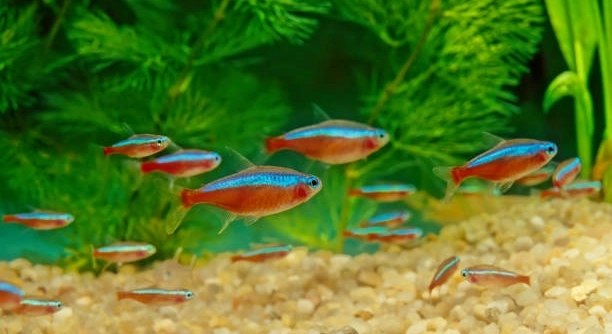
Are your tetras staying still after a water change and not swimming like usual? This behavior can be concerning, especially when you want your fish to be active and healthy. Understanding why this happens is important for proper care.
Tetras often refuse to move after a water change due to sudden changes in water parameters like temperature, pH, or chlorine levels. These shifts cause stress and discomfort, leading the fish to become inactive as they adjust to the new environment.
Knowing how water changes affect your tetras will help you create a safer, more comfortable habitat for them. This article will explain key reasons behind this behavior and how to support your fish during transitions.
Common Causes of Tetras’ Inactivity After Water Changes
Sudden changes in water conditions often cause tetras to become still. When you perform a water change, the temperature, pH, or chemical levels may shift quickly, making the fish uncomfortable. Tetras are sensitive to these changes, and their natural reaction is to conserve energy by staying motionless. Even small variations in chlorine or hardness can stress them out. If the water is colder or warmer than before, they may pause to adjust their metabolism. Sometimes, the water change disrupts the tank’s established balance of beneficial bacteria. This imbalance can also affect their behavior. A careful approach to water changes, such as matching new water temperature and slowly adding treated water, reduces this stress. Observing your fish after a change can help you understand how they respond and adjust your method accordingly.
Proper water treatment is key to preventing toxic substances from harming your fish. Always use a water conditioner.
The sensitivity of tetras means even minor mistakes during water changes may cause prolonged inactivity. Patience and gradual adjustments help your fish regain normal activity without extra stress.
How to Help Tetras Adjust After Water Changes
Keeping water stable is important for tetras to stay healthy and active. Slowly adjusting water temperature before adding it to the tank helps reduce shock. Using a thermometer ensures accuracy. Avoid changing too much water at once; a 20-30% water change is usually enough to keep conditions steady. Adding water conditioner removes harmful chemicals like chlorine and chloramine. Feeding your tetras smaller meals for a day or two after a water change can help their digestion and reduce stress. Avoid tapping the glass or sudden movements around the tank during this sensitive time. Giving your fish a calm environment after water changes supports their recovery. Keeping up with regular water testing allows you to catch any issues early. Consistency and care in maintenance keep your tetras comfortable and active over time.
Signs Your Tetras Are Stressed After a Water Change
Tetras may show signs like clamped fins, hiding, or gasping at the surface when stressed. These behaviors indicate discomfort and the need for attention to tank conditions.
Stress causes tetras to use more energy to cope, which affects their immune system. Clamped fins mean the fish holds its fins tight against its body, showing distress. Hiding can be a defense mechanism to avoid perceived threats. Gasping at the surface often means low oxygen or poor water quality. Recognizing these signs early can prevent illness. Monitoring your tank’s water parameters and adjusting the environment promptly helps reduce stress and supports recovery.
Increased stress also makes tetras more vulnerable to diseases such as ich or fin rot. Observing behavior changes allows timely treatment and better care. Addressing the cause of stress quickly helps your fish regain normal behavior and remain healthy in their environment.
Preparing Water Properly for Changes
Matching the temperature of new water to the tank is essential. Sudden temperature differences shock tetras and cause them to freeze in place. Use a reliable thermometer to check both water sources before mixing. Let the new water sit to reach room temperature if needed.
Water conditioners neutralize harmful chemicals like chlorine and chloramine present in tap water. Without them, these substances can irritate your fish’s gills and skin, leading to stress or death. Always treat fresh water before adding it to the tank, even if it looks clean. Proper preparation ensures the water change benefits your fish without causing harm.
Regular testing for pH, ammonia, nitrite, and nitrate levels before and after changes helps maintain a stable environment. Consistent care prevents unexpected reactions in your tetras and keeps their habitat safe.
Avoiding Overfeeding After Water Changes
Overfeeding can add stress to tetras already adjusting to new water. Extra food decays and worsens water quality, which can keep fish inactive.
Feeding smaller portions after a water change reduces waste and helps maintain cleaner water. It supports your tetras’ digestion during this sensitive time.
Importance of Aeration and Filtration
Good aeration and filtration keep oxygen levels steady and remove harmful toxins. After a water change, these systems help stabilize the environment, making it easier for tetras to recover. A well-maintained filter supports beneficial bacteria, which balance the tank’s ecosystem. Proper airflow increases oxygen for fish and prevents lethargy. Check that equipment runs smoothly to avoid sudden drops in water quality. This ensures tetras remain active and healthy, even during changes.
Consistent Water Testing
Regularly testing your tank water helps catch issues early. It keeps conditions stable and your tetras comfortable.
FAQ
Why do my tetras freeze after a water change?
Tetras freeze because sudden changes in water temperature, pH, or chemistry cause stress. Their bodies need time to adjust to the new environment. Freezing or staying still is a natural response to conserve energy while they adapt. Avoid large or rapid water changes to reduce this reaction.
How long does it take for tetras to recover after a water change?
Recovery time depends on how stable the new water is. Usually, tetras begin swimming normally within a few hours to a day. If water conditions are kept steady and stress is minimized, they recover faster. Extended inactivity may signal ongoing issues requiring attention.
Can water quality problems cause my tetras to stop moving?
Yes, poor water quality from high ammonia, nitrite, or nitrate levels can make tetras lethargic or immobile. Toxic substances irritate their gills and stress their system. Regular testing and maintenance keep these levels safe and your fish active.
Should I feed my tetras after a water change?
It’s best to feed smaller amounts or skip feeding immediately after a water change. Fish digestion slows under stress, and excess food can pollute the water, worsening conditions. Wait until your tetras return to normal activity before resuming regular feeding.
What is the best way to perform a water change to avoid stressing tetras?
Perform partial water changes (20-30%) slowly, using water that matches the tank temperature and pH. Treat tap water with a conditioner to remove chlorine and chloramine. Add new water gradually to prevent sudden shifts that stress your fish.
How often should I test water parameters after a change?
Test water daily after a change for at least a few days. Monitor temperature, pH, ammonia, nitrites, and nitrates closely. This helps detect any problems early and ensures the tank environment stays stable.
Can poor filtration cause my tetras to become inactive?
Yes, poor filtration leads to buildup of waste and toxins, reducing oxygen and increasing stress. Clean filters and regular maintenance support water quality, helping tetras stay healthy and active.
Why do my tetras hide after a water change?
Hiding is a common stress response. Changes in water conditions make tetras feel vulnerable, so they seek shelter. Providing plenty of plants or decorations offers hiding spots that help fish feel secure during adjustment periods.
Is it normal for tetras to gasp at the surface after a water change?
Gasping usually indicates low oxygen or poor water quality. A water change might disturb oxygen levels temporarily. Ensure proper aeration and filtration are running to restore oxygen and maintain a healthy environment.
Can sudden water temperature changes harm tetras?
Yes, tetras are sensitive to temperature swings. Sudden cold or hot water shocks their metabolism and immune system. Always use a thermometer and adjust new water to match tank temperature before adding it to reduce harm.
What should I do if my tetras don’t start moving again?
Check water parameters immediately for ammonia, nitrites, and temperature. If values are off, correct them carefully. Look for signs of illness, such as spots or damaged fins, and treat if needed. If inactivity persists, consult a specialist or experienced aquarist.
Does the type of water conditioner matter?
Different conditioners remove chlorine, chloramine, and detoxify heavy metals. Choose one suited for your tap water. Using the right conditioner prevents toxins from stressing or poisoning your tetras during water changes.
How can I make future water changes easier for my tetras?
Maintain consistent water parameters by testing regularly. Use gradual water changes with treated, temperature-matched water. Keep tank conditions stable and avoid large changes. Preparing properly reduces stress and helps tetras adjust smoothly every time.
Are tetras more sensitive to water changes than other fish?
Tetras are generally more sensitive because they come from stable, soft water environments. Sudden changes affect them more than hardier fish. Extra care during water changes helps prevent stress and keeps them active and healthy.
Can changing tank decorations or plants during water changes stress tetras?
Yes, rearranging the tank can add stress by disrupting their familiar environment. If changes are necessary, do them slowly and avoid disturbing the fish too much. Stable surroundings help tetras feel secure during water changes.
Water changes are an essential part of keeping tetras healthy, but they can cause stress if not done carefully. When tetras stop moving after a water change, it is usually a sign that they are adjusting to new conditions. Changes in temperature, pH, or chemicals in the water can make them uncomfortable. It is important to understand that this behavior is natural and often temporary. Giving your fish time to adapt while maintaining good water quality helps them return to normal activity. Patience and gentle care are key during this period.
Maintaining stable water conditions is the best way to prevent tetras from freezing or hiding after a water change. This means matching the temperature of the new water closely with the tank water, treating it properly to remove harmful substances, and adding it slowly to avoid sudden changes. Partial water changes are recommended instead of replacing all the water at once. Good filtration and aeration support the tank environment by keeping oxygen levels high and removing waste. Observing your fish regularly allows you to notice signs of stress early and take action if needed.
Taking small steps to improve your water change routine can make a big difference for your tetras. Avoid overfeeding after a water change, as extra food can pollute the water and add to the fish’s stress. Testing the water regularly helps keep track of important parameters like ammonia, nitrites, and pH. Providing hiding places gives your tetras a safe space while they adjust. With consistent care and attention, your tetras will recover quickly and stay active. Understanding these factors makes it easier to create a stable and healthy home for your fish over time.

Hello,
If you enjoy the content that we create, please consider saying a "Thank You!" by leaving a tip.
Every little bit helps us continue crafting quality advice that supports the health, happiness, and well-being of pets around the world, for pets of all shapes, sizes, and species.
We really appreciate the kindness and support that you show us!