
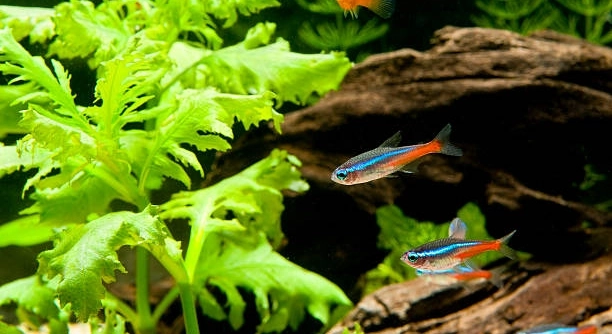
A tetra school is a popular choice for aquarium enthusiasts because of its vibrant colors and peaceful nature. Keeping these fish healthy requires attention to their environment and social dynamics. Small changes can have a big impact on their well-being.
Several factors can cause a tetra school to crash, including poor water quality, inadequate tank size, aggressive tank mates, improper diet, sudden changes in environment, disease outbreaks, and stress from overcrowding. These elements disrupt the delicate balance needed for their survival.
Recognizing these causes early helps maintain a thriving tetra school. This article outlines key issues and how to prevent them for a healthier aquarium environment.
Poor Water Quality
Water quality is the most important factor for keeping a tetra school healthy. Tetras are sensitive to changes in water parameters such as pH, ammonia, nitrite, and nitrate levels. High ammonia or nitrite can quickly poison the fish, causing stress and death. It is essential to test the water regularly and perform partial water changes to maintain a clean environment. Filtration also plays a key role in removing waste and toxins. Avoid overfeeding, as leftover food increases ammonia and nitrate levels. Stable temperature is another factor, ideally between 72-80°F (22-27°C). Sudden temperature changes weaken fish immune systems. Keeping the tank well-maintained ensures that tetras stay healthy and active. Water quality problems are a common reason for a school to crash and should always be monitored carefully.
Maintaining proper water quality requires consistent testing, filtration, and timely water changes to avoid harmful chemical buildup.
Tetras rely on stable, clean water to thrive. Regular monitoring and care prevent stress-related illnesses and improve their lifespan. Understanding water parameters helps keep the tank environment safe and balanced for the entire school.
Inadequate Tank Size
A small tank limits space for swimming and socializing. Tetras need room to school freely, which reduces stress and aggression. Overcrowding causes poor water quality and increases disease risk. The minimum recommended tank size for a tetra school is 20 gallons, depending on the number of fish. More space supports stable water conditions and allows plants or hiding spots. Lack of space can cause behavioral issues like fin nipping and lethargy. Ensuring the tank size fits the number of tetras keeps them comfortable and healthy.
Providing enough space for tetras reduces stress and supports natural behavior.
Tetras thrive best in tanks with enough space to swim and form groups. Overcrowding leads to poor water quality and stress-related problems, which can cause the school to crash. Larger tanks provide a better environment for maintaining stable conditions. Aquariums with at least 20 gallons and room for plants or decorations help tetras feel secure. A spacious tank also makes maintenance easier by diluting waste and preventing rapid parameter changes. Proper tank size helps avoid aggression and supports the social nature of tetras, making their environment more natural and healthy.
Aggressive Tank Mates
Aggressive fish can stress tetras and cause injury or death. Tetras are peaceful and do best with other calm species. Avoid large or territorial fish that may bully them.
Aggressive tank mates disrupt the peaceful schooling behavior of tetras. Stress caused by bullying weakens their immune systems, leading to illness or death. Aggression can cause hiding, loss of appetite, or physical damage. Choosing compatible species ensures harmony and reduces risk of a school crash. Researching fish compatibility before adding new species protects the tetra school’s health.
A balanced tank with peaceful fish supports stable social dynamics. Proper tank mate selection prevents aggression, reduces stress, and maintains a healthy environment for tetras.
Improper Diet
Tetras require a varied diet rich in proteins and vitamins. Feeding only flakes or low-quality food limits their nutrition. This can weaken their immune system and slow growth.
A poor diet reduces tetra vitality and increases vulnerability to disease. It is important to offer a mix of high-quality flake food, frozen or live foods like brine shrimp, daphnia, and bloodworms. Supplements such as vegetable matter help balance their nutrition. Overfeeding should be avoided to prevent water quality issues. A balanced diet promotes color, energy, and longevity in tetras, reducing chances of a school crash.
Regular feeding of varied, nutritious food keeps tetras strong and resilient. Nutrition plays a vital role in preventing illness and maintaining overall health in the school.
Sudden Changes in Environment
Sudden changes in temperature, water chemistry, or lighting can shock tetras. They need a stable environment to stay healthy.
Even minor fluctuations may cause stress, weakening their immune system and making them prone to illness. Avoid abrupt adjustments and introduce changes slowly.
Disease Outbreaks
Disease spreads quickly in a tetra school if one fish becomes infected. Common illnesses include ich, fin rot, and fungal infections.
Quarantining new fish, maintaining water quality, and observing for early symptoms help prevent outbreaks. Treating disease promptly reduces fatalities and protects the whole school.
Stress from Overcrowding
Too many fish in one tank increase stress and competition for resources. Overcrowding lowers oxygen levels and worsens water quality.
Providing adequate space and maintaining population balance are essential to reduce stress and keep tetras thriving.
What causes a tetra school to crash suddenly?
A tetra school can crash suddenly due to poor water quality, aggressive tank mates, or disease outbreaks. Sudden changes in temperature or water chemistry also cause stress, weakening the fish quickly. Overcrowding and improper diet contribute by lowering immunity and increasing vulnerability. Monitoring these factors regularly helps prevent rapid declines in health.
How often should I test my aquarium water?
Testing water once a week is recommended to keep ammonia, nitrite, nitrate, and pH within safe levels. Frequent testing detects problems early, allowing prompt correction. In new tanks, test more often, as cycling can cause fluctuations. Consistent water quality is essential to avoid stress-related crashes in a tetra school.
What is the best tank size for a tetra school?
A minimum of 20 gallons is advised for a small school of 6 to 8 tetras. Larger groups need more space to swim comfortably and maintain social behavior. Bigger tanks also stabilize water parameters and reduce waste buildup, lowering the risk of health issues in the school.
Can I keep tetras with other fish species?
Yes, but it’s important to choose peaceful tank mates. Aggressive or territorial fish can stress tetras and cause injuries. Good companions include small, non-aggressive species like guppies or rasboras. Research compatibility before adding any new fish to maintain a calm environment.
How do I prevent diseases in my tetra school?
Quarantining new fish before introducing them is crucial. Maintaining clean water and a proper diet strengthens fish immune systems. Watch for early signs of illness such as spots, clamped fins, or lethargy. Early treatment with appropriate medication can prevent the spread of disease to the whole school.
What should I feed my tetras?
Feed a balanced diet of high-quality flake food supplemented with frozen or live foods like brine shrimp or daphnia. Occasionally offer vegetable matter or spirulina flakes for variety. Avoid overfeeding, as excess food pollutes the tank and harms water quality. Proper nutrition supports vibrant colors and overall health.
How do I reduce stress in my tetra school?
Keep the tank environment stable by maintaining temperature, water chemistry, and lighting. Avoid overcrowding and provide hiding places like plants or decorations. Choose compatible tank mates to prevent bullying. Stress reduction improves immunity and reduces the chances of a school crash.
Why do tetras sometimes hide?
Tetras hide when stressed, scared, or unwell. Sudden changes in environment, aggressive tank mates, or poor water quality often cause this behavior. Providing a calm, stable tank with enough space and hiding spots encourages normal activity and helps fish feel safe.
How often should I do water changes?
Weekly partial water changes of 20-30% are ideal to keep the tank clean and water parameters stable. Regular changes remove toxins and replenish minerals. In heavily stocked or smaller tanks, more frequent changes may be necessary to maintain healthy conditions for the tetra school.
What signs indicate a failing tetra school?
Signs include lethargy, loss of appetite, faded colors, frequent hiding, and physical damage like torn fins. Increased deaths or abnormal swimming behavior are also warning signs. Detecting these early allows for quick intervention to save the remaining fish.
Keeping a tetra school healthy takes attention to several important factors. Water quality must be regularly monitored and maintained because tetras are sensitive to changes. Proper filtration and timely water changes keep harmful chemicals like ammonia and nitrites at safe levels. The tank size should be adequate to allow enough space for the fish to swim and school naturally. Overcrowding increases stress and worsens water conditions, which can quickly lead to problems. Providing a stable environment with consistent temperature and lighting also helps reduce stress. These basic steps support the overall health and longevity of the tetra school.
Choosing the right tank mates is equally important. Tetras are peaceful fish and do best with other calm species. Aggressive or territorial fish can cause stress, injury, or even death among tetras. This stress weakens their immune system and increases the risk of disease outbreaks. A proper diet with a mix of quality flakes and live or frozen foods keeps the fish strong and vibrant. Overfeeding should be avoided since leftover food pollutes the water. Careful attention to diet and tank companions helps maintain balance within the aquarium.
Even with all precautions, sudden changes or illness can affect a tetra school. Stress from environmental shifts, overcrowding, or poor nutrition weakens fish defenses and opens the door for disease. Watching for early signs of illness and acting quickly can prevent the loss of many fish. Taking the time to quarantine new additions also reduces the risk of introducing disease. Overall, a healthy tetra school depends on steady care and a well-maintained habitat. With consistent effort, it is possible to keep these colorful fish thriving for a long time.

Hello,
If you enjoy the content that we create, please consider saying a "Thank You!" by leaving a tip.
Every little bit helps us continue crafting quality advice that supports the health, happiness, and well-being of pets around the world, for pets of all shapes, sizes, and species.
We really appreciate the kindness and support that you show us!