
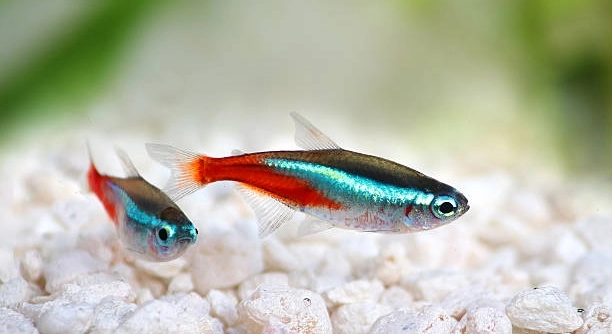
Tetras are popular aquarium fish, but breeding them can sometimes lead to problems. Many fishkeepers want to ensure their tetras stay healthy and their breeding process goes well. Knowing the signs of unhealthy tetra breeding is important for their care.
Unhealthy tetra breeding is identified by seven key signs, including poor water quality, overcrowding, lack of proper nutrition, stress behaviors, disease presence, improper tank conditions, and unsuccessful fry development. Recognizing these signs helps maintain a thriving tetra population.
Learning these signs will help you protect your tetras and improve their breeding success. Taking simple steps early can make a big difference in their health and well-being.
Poor Water Quality
Water quality plays a huge role in the health of your tetras and their breeding success. Dirty or contaminated water causes stress, illness, and even death. It’s important to check ammonia, nitrite, and nitrate levels regularly. High ammonia or nitrite levels are toxic and can harm both adults and fry. Even nitrates should be kept low. Changing water often and using a good filtration system helps keep the water clean. If the water is cloudy or smells bad, it’s a sign you need to act quickly. Proper water parameters also encourage healthy spawning behavior. Remember, stable water temperature and pH are just as important. Sudden changes can stress the fish and disrupt breeding. Regular water testing and maintenance prevent many problems before they start. Monitoring these factors shows you care about your tetras’ health and breeding success.
Testing your water weekly is a simple but essential habit to keep tetras healthy.
If you want healthy tetras, consistent water quality is key. This means regular partial water changes and avoiding overfeeding. Overfeeding causes waste buildup, which can quickly degrade water quality. Keeping the tank clean and avoiding overcrowding also help maintain good water conditions. Use a reliable test kit to monitor ammonia, nitrites, nitrates, pH, and temperature. Make small, frequent water changes rather than big ones to avoid shocking your fish. Proper filtration and aeration support the water’s natural balance. A stable environment reduces stress, which is critical during breeding. When water quality is maintained, tetras are more active, eat well, and their fry are more likely to survive. Paying attention to these details creates a healthy space where your fish can thrive and reproduce naturally.
Overcrowding
Too many tetras in one tank leads to competition for food and space. Overcrowding causes stress and weakens their immune system.
When tetras are cramped, they become more aggressive, and breeding suffers. Fry survival drops as adults may eat the young. Overcrowded tanks make it harder to keep water clean, worsening health problems. Ensure you provide enough space for each fish, following recommended tank sizes. A larger tank helps maintain better water conditions and reduces stress. If you notice aggressive behavior or poor breeding results, check the fish count. Sometimes fewer fish and better tank conditions improve breeding success more than anything else.
Lack of Proper Nutrition
Tetras need a balanced diet to stay healthy and breed successfully. Poor nutrition weakens their bodies and lowers fertility.
Feeding your tetras a varied diet rich in protein helps boost their breeding condition. Use high-quality flakes, frozen foods like brine shrimp, and live foods when possible. Avoid feeding only one type of food, as it can cause nutritional gaps. Regular feeding supports energy levels and improves the health of both adult fish and fry. Healthy parents produce stronger, more viable offspring. Also, avoid overfeeding, which can pollute the tank and harm water quality.
When tetras get the right nutrients, they show better colors and behavior. Proper diet encourages natural spawning activities and increases fry survival rates. Supplementing their diet with occasional treats like daphnia or bloodworms can make a noticeable difference in breeding success. Keep feeding consistent to maintain their health throughout the breeding process.
Stress Behaviors
Stress signs in tetras include erratic swimming, hiding, and loss of appetite. These behaviors interfere with breeding.
Stress can come from loud noises, sudden movements, or incompatible tank mates. If your tetras are constantly stressed, their immune system weakens, making them more prone to disease and less likely to breed. It’s important to provide a calm, stable environment with plenty of hiding places like plants or decorations. Monitor their behavior closely and remove any aggressive fish that cause problems. Reducing stress improves their overall well-being and encourages successful spawning. Regular tank maintenance and stable water conditions also help keep stress low.
Disease Presence
Diseases like ich or fin rot can quickly spread in a tetra tank. Sick fish won’t breed and may die if untreated.
Regularly check your tetras for signs like white spots, torn fins, or lethargy. Quarantine new fish to prevent outbreaks and keep your tank healthy.
Improper Tank Conditions
A tank that’s too small, lacks plants, or has wrong lighting can prevent successful breeding. Tetras need a comfortable environment that mimics their natural habitat.
Providing proper space, soft water, and dim lighting encourages spawning. Plants offer shelter for fry and reduce stress for adults. Without these conditions, breeding often fails. Adjusting tank setup can improve breeding chances significantly.
Unsuccessful Fry Development
Fry that fail to grow or survive indicate breeding issues. Poor water quality or lack of food may be the cause.
FAQ
How can I improve water quality for my breeding tetras?
Improving water quality starts with regular water changes, ideally 20-30% weekly. Use a reliable water test kit to monitor ammonia, nitrites, nitrates, pH, and temperature. Avoid overfeeding since leftover food pollutes the tank. A good filter is essential, but make sure it doesn’t create too strong a current that stresses the fish. Adding live plants can also help absorb waste naturally. Keeping water stable and clean creates the best conditions for healthy breeding.
What is the ideal tank size for breeding tetras?
A minimum of 20 gallons is recommended for breeding tetras to provide enough space and reduce stress. Overcrowding leads to competition and aggression, which can lower breeding success. A larger tank also helps maintain better water quality and provides room for plants and hiding spots. Proper space supports natural behavior and improves fry survival.
What should I feed breeding tetras?
Feed a varied diet including high-quality flakes, frozen foods like brine shrimp, and live foods such as daphnia or bloodworms. Protein-rich foods boost breeding health and fry development. Avoid feeding only flakes or pellets, as they lack some nutrients. Small, frequent feedings keep fish healthy without polluting the water. Consistency is key during breeding.
How do I reduce stress in my tetra tank?
Create a calm environment with plenty of plants and hiding spots. Keep tank mates peaceful and avoid overcrowding. Minimize sudden movements or loud noises near the tank. Maintain stable water parameters and avoid drastic changes. Stress weakens immunity and lowers breeding chances, so consistent care is important.
How can I spot disease early in my tetras?
Look for white spots, frayed fins, clamped fins, rapid breathing, or loss of appetite. Lethargy and hiding more than usual are also signs. Quarantine new fish to prevent disease introduction. Treat illnesses promptly with appropriate medication to avoid outbreaks that harm breeding.
Why are my fry not surviving?
Poor water quality, lack of proper food, or aggressive tank mates often cause fry death. Regular water changes and feeding specially prepared fry foods, like infusoria or crushed flakes, are crucial. Providing shelter like plants or breeding nets protects fry from adults. Ensuring clean, stable conditions helps fry grow strong.
Can I breed tetras with community tank mates?
Breeding tetras in a community tank is possible but tricky. Some tank mates may eat eggs or fry. For best results, breed in a separate tank with peaceful, compatible fish or alone. This reduces stress and protects fry during early growth stages.
How often should I test water during breeding?
Test water at least once a week, more often if problems arise. Keeping track of ammonia, nitrites, nitrates, and pH helps catch issues early. Regular testing allows quick action to maintain safe water conditions for breeding success.
What temperature is best for breeding tetras?
A stable temperature between 75°F and 80°F (24°C to 27°C) supports breeding. Avoid sudden changes, as they stress fish and may stop spawning. Use a reliable heater and thermometer to maintain consistent warmth.
How long does it take for tetra fry to hatch?
Tetra eggs usually hatch in 24 to 36 hours, depending on water temperature. After hatching, fry need small, frequent feedings and safe hiding spots. Keeping water clean and stable improves their survival chances.
These answers cover common concerns about unhealthy tetra breeding. Following these tips will help create a healthy environment for your tetras to thrive and reproduce successfully.
Final Thoughts
Breeding tetras can be a rewarding experience, but it requires attention and care. Many problems in breeding come from common mistakes like poor water quality, overcrowding, or lack of proper nutrition. By keeping your tank clean and providing a balanced diet, you give your tetras the best chance to stay healthy and reproduce. Regular monitoring of water parameters and behavior helps catch issues early, preventing bigger problems down the line.
Creating a calm and comfortable environment is also very important. Stress can stop tetras from breeding or cause disease, which makes it harder to keep your fish healthy. Giving them enough space, hiding places, and peaceful tank mates reduces stress levels. Small changes like avoiding sudden loud noises or rapid water changes can improve their well-being. When tetras feel safe and comfortable, they show better colors, natural behavior, and successful spawning.
Finally, patience is key when breeding tetras. Not every attempt will be perfect, and fry may not always survive. But by learning to spot the signs of unhealthy breeding and adjusting care accordingly, you increase your chances of success. Paying attention to details and staying consistent in your care routine will lead to healthier fish and stronger fry. Over time, you’ll gain confidence in managing their needs and enjoy watching your tetras grow and thrive.

Hello,
If you enjoy the content that we create, please consider saying a "Thank You!" by leaving a tip.
Every little bit helps us continue crafting quality advice that supports the health, happiness, and well-being of pets around the world, for pets of all shapes, sizes, and species.
We really appreciate the kindness and support that you show us!