
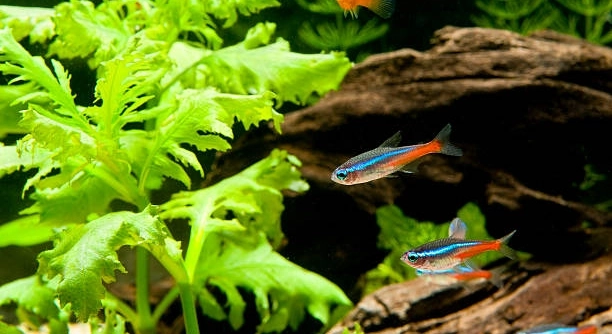
Floating tetras are popular aquarium fish known for their lively behavior. Sometimes, after meals, they may start floating unusually. This change in behavior can be concerning for fish owners who want to keep their pets healthy and comfortable.
Floating tetra after meals is often caused by digestive issues, swim bladder disorders, water quality problems, overfeeding, stress, infections, or improper diet. Each factor can disrupt buoyancy and cause the fish to float abnormally.
Understanding these causes helps you take the right steps to improve your tetra’s well-being and maintain a balanced aquarium environment.
Digestive Issues and Swim Bladder Problems
Digestive issues are a common reason why tetras float after meals. When a fish overeats or swallows air while eating, its digestive system can become stressed. This can lead to constipation or bloating, which affects the swim bladder, the organ responsible for controlling buoyancy. The swim bladder helps fish maintain their position in the water. If it becomes damaged or inflamed, the fish may float on the surface or sink to the bottom. Poor digestion can cause discomfort, making your tetra struggle to swim normally. It is important to monitor how much your fish eats and avoid overfeeding. Providing a balanced diet with proper nutrition will reduce the chances of digestive problems. Also, feeding smaller meals more frequently can help your fish digest food better and avoid air intake during eating.
Keeping a close eye on feeding habits helps prevent these issues and promotes your tetra’s overall health.
Proper care and diet adjustments often improve swim bladder health, allowing your tetra to regain normal swimming behavior.
Water Quality and Stress
Poor water quality significantly impacts your tetra’s health and behavior. Dirty or unbalanced water causes stress, which can make fish float abnormally. Stress weakens the immune system and increases vulnerability to infections. High levels of ammonia, nitrites, or nitrates are harmful and can irritate the fish’s body, leading to buoyancy problems. Regular water changes and testing are essential to keep the tank environment stable. Maintaining appropriate temperature and pH levels also reduces stress. Stressful conditions may come from overcrowding, sudden changes in the tank, or aggressive tank mates. Reducing these stress factors creates a calm habitat for your tetra. When the water is clean and stable, your fish are less likely to develop swim bladder issues and other health problems. Establishing a consistent tank maintenance routine ensures a healthier environment for your fish to thrive in.
Overfeeding and Improper Diet
Overfeeding is a frequent cause of floating problems in tetras. Giving too much food at once overwhelms their digestive system and causes bloating. This puts pressure on the swim bladder, affecting buoyancy and causing the fish to float abnormally.
Controlling portion sizes is key to avoiding overfeeding. Feeding small amounts once or twice a day is better than offering large meals. An improper diet lacking fiber or variety can also cause digestive issues. Including high-quality flakes or pellets designed for tetras helps maintain good digestion. Occasionally offering frozen or live foods can improve nutrition and reduce the risk of constipation. A balanced diet supports overall health and prevents swim bladder disorders.
It’s important to remove uneaten food promptly, as leftover food pollutes the water. Clean water and proper feeding together keep your tetra swimming smoothly and comfortably.
Infections and Disease
Infections caused by bacteria, parasites, or fungi can affect a tetra’s swim bladder and overall health. These illnesses often lead to abnormal floating behavior. Early detection is important to prevent serious damage or death.
Symptoms of infection include lethargy, loss of appetite, and changes in swimming patterns. Providing clean water and maintaining good tank hygiene reduce infection risks. Quarantining new fish before adding them to the main tank can prevent disease spread. If infection occurs, appropriate medication prescribed by a vet or specialist should be used. Treatment usually includes antibiotics or antiparasitic drugs, depending on the cause. Ignoring infections can cause lasting damage to the swim bladder, so prompt action is necessary.
Proper tank care and regular observation help keep your tetra healthy and active.
Stress Factors
Stress can cause tetras to float improperly by affecting their internal balance. Common stressors include sudden changes in water temperature, overcrowding, and aggressive tank mates. Reducing these factors helps prevent swim bladder issues.
A stable, calm environment supports your tetra’s health. Avoid frequent changes and keep the tank peaceful to minimize stress and promote normal swimming behavior.
Temperature Fluctuations
Rapid or frequent changes in water temperature can disrupt a tetra’s metabolism and buoyancy control. Maintaining a consistent temperature suited to tetras is essential for their well-being. Use a reliable heater and thermometer to keep conditions stable.
Sudden drops or spikes in temperature weaken the fish’s immune system and may cause swimming difficulties. A steady environment encourages better health and normal behavior.
Tank Size and Environment
An overcrowded or poorly set-up tank can increase stress and cause floating issues. Providing adequate space and hiding spots reduces tension and supports natural behavior. Proper tank size is important for healthy swimming and comfort.
Why is my tetra floating after eating?
Floating after meals usually happens because of digestive problems or swim bladder issues. Overeating or swallowing air can cause bloating, which puts pressure on the swim bladder. This organ controls the fish’s buoyancy, so when it’s affected, your tetra might float on its side or stay at the surface.
How can I prevent my tetra from floating after meals?
Feed your tetra small portions once or twice a day to avoid overfeeding. Use high-quality food designed for tetras and include occasional live or frozen foods for variety. Remove leftover food promptly to keep water clean, which supports digestion and prevents swim bladder problems.
Can poor water quality cause floating problems?
Yes, poor water quality stresses tetras and can lead to buoyancy issues. Ammonia, nitrites, and nitrates build-up irritate the fish, weaken their immune system, and may cause swim bladder inflammation. Regular water changes and testing help maintain a healthy environment.
What role does stress play in floating behavior?
Stress from sudden temperature changes, overcrowding, or aggressive tank mates can disturb your tetra’s buoyancy control. Stress weakens the immune system, making swim bladder problems more likely. Providing a stable tank and peaceful conditions helps reduce stress.
Are infections responsible for floating problems?
Bacterial, parasitic, or fungal infections can affect swim bladder function. Signs include lethargy, loss of appetite, and abnormal swimming. Quarantine new fish, keep the tank clean, and use proper medication if infection occurs to protect your tetra’s health.
Is swim bladder disease common in tetras?
Swim bladder disease is relatively common and often linked to diet, infections, or water quality. It disrupts the fish’s ability to control buoyancy, causing floating or sinking issues. Early care and prevention reduce risks and help your tetra recover faster.
How important is tank size for preventing floating issues?
Tank size affects stress and swimming space. Overcrowded tanks limit movement and increase aggression, contributing to stress and swim bladder problems. Providing enough room and hiding spots supports natural behavior and buoyancy control.
Can temperature changes cause floating problems in tetras?
Rapid temperature changes can disrupt metabolism and cause buoyancy difficulties. Maintaining stable, appropriate temperature with a reliable heater and thermometer reduces risk and supports immune function.
What should I do if my tetra is floating abnormally?
First, check water quality and temperature. Adjust feeding habits to prevent overfeeding. Observe for signs of infection or stress. If symptoms persist, consult an aquatic specialist for proper diagnosis and treatment to avoid long-term damage.
How long does it take for a tetra to recover from swim bladder problems?
Recovery depends on the cause and treatment. Digestive-related issues often improve within days after adjusting diet. Infections or severe stress may take longer and require medication. Consistent care and clean water speed recovery.
Is fasting helpful for floating tetras?
Fasting your tetra for one or two days can help clear digestive blockages and reduce swim bladder pressure. This rest allows the fish to recover from overfeeding and may improve buoyancy control.
Can I treat swim bladder disease at home?
Some mild cases respond well to dietary changes and improved water quality. Feeding peas (without skins) can aid digestion. However, infections or severe swim bladder problems need veterinary care and medication for effective treatment.
Understanding why a tetra floats after meals is important for keeping your fish healthy and happy. Many factors can cause this issue, including digestive problems, swim bladder disorders, water quality, overfeeding, stress, infections, and tank conditions. Each of these elements affects how the fish controls its buoyancy. When the swim bladder or digestive system is disturbed, the fish may float at the surface, sink to the bottom, or swim sideways. Knowing these causes helps in taking the right steps to address the problem quickly and effectively. Proper care, feeding, and tank maintenance can prevent many of these issues from developing.
Keeping a consistent feeding schedule and offering the right amount of food is one of the easiest ways to avoid floating problems. Overfeeding often leads to constipation or bloating, which can push on the swim bladder. It’s better to feed smaller amounts more frequently than to give large portions all at once. Providing a balanced diet with quality flakes, pellets, and occasional live or frozen foods will support good digestion. Removing leftover food is also important to maintain water quality. Clean water lowers stress and reduces the chances of infections, which can also cause buoyancy problems. Testing water regularly and performing water changes will keep the tank environment safe for your tetra.
Stress and environmental factors play a big role in a tetra’s health. Sudden changes in temperature, overcrowding, or aggressive tank mates can cause stress that affects swimming behavior. Keeping the tank stable, clean, and peaceful reduces these risks. If your tetra shows signs of disease or swim bladder issues, early action is important. Sometimes fasting or diet adjustments help, but infections may require medication. Watching your fish carefully and making adjustments as needed helps ensure your tetra stays active and comfortable. With proper care and attention, most floating problems can be managed or avoided altogether.

Hello,
If you enjoy the content that we create, please consider saying a "Thank You!" by leaving a tip.
Every little bit helps us continue crafting quality advice that supports the health, happiness, and well-being of pets around the world, for pets of all shapes, sizes, and species.
We really appreciate the kindness and support that you show us!