
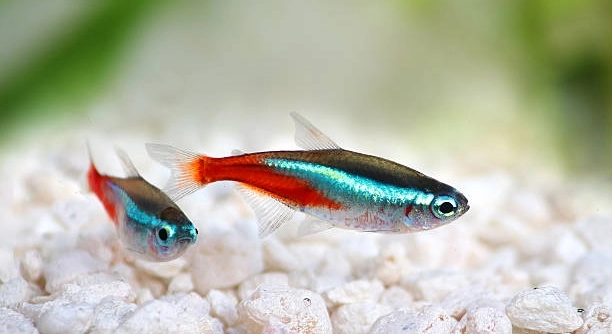
Many fish owners enjoy keeping tetra fish because of their bright colors and lively behavior. Feeding them the right natural foods helps keep them healthy and happy. This article looks at what tetra fish love to eat naturally.
Tetra fish prefer a variety of natural foods including small insects, larvae, plant matter, and tiny crustaceans. These foods provide essential nutrients that support their growth, coloration, and overall health in a balanced way.
Learning about these natural foods will help you create a better diet plan for your tetra fish. Proper nutrition is key to their well-being and long life.
Small Insects and Larvae
Small insects and larvae form a natural and important part of a tetra’s diet. In their natural habitat, these fish often feed on tiny insects that fall into the water or larvae that hatch nearby. These protein-rich foods help support muscle development and energy needs. Offering live or frozen insect larvae like brine shrimp or daphnia at home can mimic this natural feeding. These options are easy to find in pet stores and provide a good variety. Feeding these regularly ensures tetras get the nutrients they need to stay active and vibrant. It also helps replicate their natural eating habits, making them feel more comfortable and less stressed in captivity.
Including these protein sources in a tetra’s diet contributes to their overall health and coloration. They help keep the fish energetic and promote a strong immune system.
Adding live or frozen insects and larvae to your tetra’s diet is a practical way to meet their natural feeding needs and improve their vitality.
Plant Matter
Tetras also eat plant matter as part of their natural diet. They nibble on algae and other small plants in their environment. Including plant material in their diet provides essential vitamins and fiber, which aid digestion and overall health. In captivity, offering blanched vegetables such as spinach, zucchini, or peas can supply similar benefits. It’s important to remove uneaten vegetables promptly to avoid water quality issues. A mix of plant and animal foods creates a balanced diet that matches what tetras would eat in the wild. This balance supports their growth and keeps their digestive system working well. Providing plant matter also helps prevent digestive problems, which are common in fish fed only protein-based foods.
Feeding tetras a variety of fresh vegetables keeps their diet well-rounded.
Incorporating blanched vegetables and algae-based flakes can ensure tetras receive the fiber and nutrients they require. These plant foods improve digestion and contribute to a healthy immune system. Rotating the types of plant foods helps maintain interest and prevents boredom with their diet. A balanced diet that includes both plant and animal matter promotes longer life and better coloration for your tetras.
Tiny Crustaceans
Tiny crustaceans like copepods and water fleas are a natural favorite for tetra fish. These small creatures provide a good source of protein and other nutrients.
Feeding tetras tiny crustaceans helps mimic their natural diet and promotes healthy growth. These animals move slowly enough to be easily caught, encouraging natural hunting behavior. Frozen or live options like daphnia and brine shrimp are widely available and can be offered regularly. They add variety and are easy to digest, which supports the tetra’s digestive system. Including tiny crustaceans in the diet also boosts the fish’s immune health by providing important minerals and fatty acids.
Offering these crustaceans can also improve a tetra’s activity level. They provide essential nutrients that help maintain bright colors and overall vitality. Regular feeding of crustaceans keeps your tetra fish healthy and lively.
High-Quality Flake Food
High-quality flake food designed for tetra fish complements their natural diet. These flakes often contain a balanced mix of proteins, vitamins, and minerals.
Choosing flakes with natural ingredients ensures that your tetra receives sufficient nutrition without unnecessary fillers. Flake food is convenient and designed to float, making it easy for tetras to eat at the water surface. Supplementing live or frozen foods with flakes guarantees a consistent food source. It is important to avoid overfeeding flakes to prevent water quality problems. Feeding flakes alongside natural foods helps maintain balanced nutrition and keeps your tetras energetic and colorful.
Flake food works best when combined with other natural foods. It fills gaps in the diet and offers a reliable daily feeding option. Always choose flakes formulated specifically for small tropical fish like tetras to meet their dietary needs accurately.
Bloodworms
Bloodworms are a favorite treat for many tetra fish. They are rich in protein and easy for tetras to eat.
Feeding bloodworms occasionally boosts growth and enhances color. They should be given in moderation to avoid overfeeding and water quality issues.
Freeze-Dried Foods
Freeze-dried foods like tubifex worms or brine shrimp are convenient and nutritious options. They retain most nutrients and have a long shelf life, making them easy to store and feed regularly.
Algae Wafers
Algae wafers provide a good source of plant-based nutrients and fiber. These wafers help support digestion and promote healthy gut function in tetra fish.
FAQ
What natural foods do tetra fish need most?
Tetra fish thrive on a varied diet that includes small insects, larvae, tiny crustaceans, plant matter, and high-quality flake food. These foods provide the right balance of proteins, vitamins, and minerals needed for their growth, color, and overall health. Offering live or frozen options such as brine shrimp, daphnia, and bloodworms helps mimic their natural diet, while blanched vegetables add fiber and essential nutrients.
Can I feed my tetra only flake food?
While high-quality flake food provides a balanced diet, feeding tetras only flakes is not ideal. Flakes may lack the variety and certain nutrients found in live or frozen natural foods. Combining flakes with live or frozen insects and plant matter ensures your tetra receives a more complete diet. Overfeeding flakes can also affect water quality, so moderation and variety are key.
How often should I feed natural foods to my tetra?
Feeding natural foods like live or frozen insects and crustaceans two to three times a week is sufficient. Flake food can be given daily in small amounts to fill nutritional gaps. Vegetables such as blanched spinach or peas can be offered once or twice a week. Overfeeding any food can cause water pollution and health issues, so careful portion control is important.
Are bloodworms safe for tetras?
Bloodworms are safe and nutritious when given in moderation. They are high in protein and help enhance coloration and growth. However, bloodworms should be fed occasionally rather than daily to prevent overfeeding and maintain water quality. Always source bloodworms from reputable suppliers to avoid contamination.
What plants can I feed to my tetra?
Tetras benefit from eating blanched vegetables like spinach, zucchini, and peas. These provide fiber and essential vitamins that aid digestion and immune health. Algae wafers are another good plant-based option, especially for species that nibble on algae in the wild. Fresh vegetables should be washed and lightly cooked to make them easy to eat and digest.
Can tetras eat frozen food?
Yes, frozen food such as brine shrimp, daphnia, and tubifex worms is a great choice. Frozen foods retain most of their nutrients and are easy to store and serve. Thaw the food before feeding to avoid shocking your fish. Offering frozen options regularly adds variety and mimics their natural feeding habits.
How do I know if my tetra is eating enough?
A healthy tetra will actively swim to food and eat within a few minutes of feeding. They should maintain good body shape and vibrant colors. If your tetra is hiding or appears thin, it may need more or different food. Feeding small amounts multiple times a day is better than one large feeding, preventing leftover food from polluting the water.
What should I avoid feeding my tetra?
Avoid feeding your tetra processed human food, bread, or anything with additives and preservatives. Also, avoid overfeeding any single food type, which can lead to nutritional imbalances and poor water quality. Raw meat or fatty foods are not suitable, as they can cause digestive problems. Stick to foods designed or known to be safe for tropical fish.
How can I introduce new foods to my tetra?
Introduce new foods gradually by mixing a small amount with familiar food. Observe your tetra’s reaction and health over a few days. If they accept the new food, you can increase the amount slowly. Some tetras may take time to adjust, so patience is important. Varying the diet prevents boredom and supports overall health.
Is it necessary to feed live food?
Live food is not strictly necessary but highly beneficial. It encourages natural hunting behavior and provides fresh nutrients. Live food can improve activity levels, coloration, and immune strength. When live food is unavailable, frozen or freeze-dried alternatives offer a good substitute. Always ensure live food comes from clean, disease-free sources to avoid health risks.
Feeding tetra fish the right natural foods is essential for their health and happiness. These small fish benefit from a varied diet that includes protein-rich insects, larvae, tiny crustaceans, and plant matter. Each type of food provides different nutrients that support growth, color, and overall vitality. Using a mix of live, frozen, freeze-dried, and prepared foods can help mimic what tetras would eat in their natural habitat. This variety also keeps them interested in their food and prevents dietary boredom. When feeding tetras, it is important to offer the right portions to avoid overfeeding, which can harm both the fish and the aquarium environment.
Including plant matter in a tetra’s diet helps with digestion and provides essential vitamins and fiber. Offering blanched vegetables like spinach or peas and algae wafers complements the protein sources naturally eaten by tetras. Proper balance between animal and plant-based foods is key to maintaining good health. Feeding a varied diet also helps prevent common health issues linked to poor nutrition, such as weak immune systems or dull coloration. It is a good practice to observe your fish regularly to make sure they are eating well and staying active, as this is a clear sign of their well-being.
Overall, taking the time to understand the natural diet of tetra fish benefits both the fish and their owners. A well-fed tetra tends to be more vibrant and lively, making your aquarium more enjoyable to watch. Providing a balanced and varied diet is one of the best ways to support their long-term health. Keeping the tank clean and feeding the right amount will also help maintain good water quality. This simple care routine will help your tetra fish thrive, making them a rewarding part of your home aquarium.

Hello,
If you enjoy the content that we create, please consider saying a "Thank You!" by leaving a tip.
Every little bit helps us continue crafting quality advice that supports the health, happiness, and well-being of pets around the world, for pets of all shapes, sizes, and species.
We really appreciate the kindness and support that you show us!