
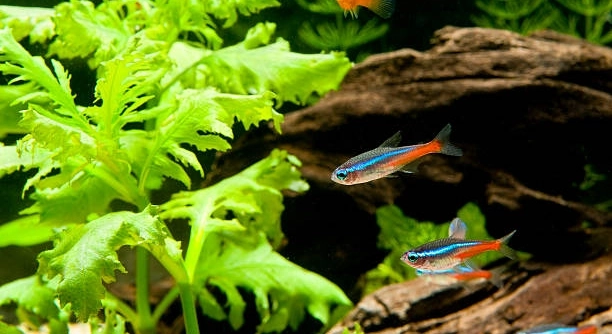
Are your Tetra tank fish not as lively as before or is the water quality slipping? Keeping a healthy aquarium means paying attention to the tank’s condition and equipment. Sometimes, an upgrade is needed to keep your aquatic pets happy and safe.
Upgrading your Tetra tank becomes necessary when the tank size is too small, filtration weakens, water parameters become unstable, or the fish show signs of stress or illness. Proper upgrades ensure a stable environment and promote fish health and longevity.
Recognizing these signs early will help maintain a thriving aquarium and avoid common problems that come with outdated equipment. This guide highlights what to watch for and when it’s time to make changes.
Tank Size Feels Too Small
A small tank can quickly become overcrowded, stressing your Tetra fish and causing water quality issues. Tetras need enough space to swim freely and behave naturally. When your tank looks crowded or the fish seem restless, it might be time for a larger tank. Overcrowding also makes it harder for filters to keep the water clean, leading to frequent water changes. If you notice algae growth increasing or the water becoming cloudy more often, these are signs your tank isn’t keeping up with the fish load. Upgrading to a bigger tank gives your fish room to grow and breathe. It helps maintain stable water parameters, which is crucial for their health. Bigger tanks also allow for better decorations and plants, making the environment more natural and comfortable. When choosing a new tank, consider one with enough space to add a few more fish if you want to expand your community.
Fish need space to stay healthy and active. A cramped tank can reduce their lifespan and increase stress.
Keeping your Tetra fish comfortable means balancing their number with the tank size. Larger tanks provide more stable water conditions and reduce maintenance frequency. It’s easier to control temperature and filter waste in a roomy tank, which supports better fish health. Plus, a bigger tank offers flexibility to add decorations or plants, enhancing the fish’s environment. If you feel limited by your current tank’s size, upgrading is worth it for long-term success.
Filtration System Is Weak or Outdated
A good filtration system keeps the water clear and removes harmful toxins. If you notice the water smells bad or looks dirty even after cleaning, the filter might not be working well. Old filters can lose efficiency over time, struggling to remove waste or control ammonia and nitrates. Tetras are sensitive to poor water quality, so a failing filter can quickly harm them. Upgrading your filter can improve water flow and keep the tank environment stable. Modern filters also offer better biological filtration, which supports beneficial bacteria growth that breaks down harmful substances. When you upgrade, choose a filter rated for your tank size with adjustable flow settings. This helps tailor the water movement to what your Tetras need. Proper filtration is key to maintaining a healthy tank without constant water changes. A reliable filter reduces stress on your fish and keeps the tank looking its best.
Water Parameters Are Unstable
Unstable water conditions stress Tetras and affect their health. Frequent changes in pH, ammonia, or nitrate levels signal a problem with the tank setup or maintenance.
Maintaining stable water parameters is essential for a healthy Tetra tank. Sudden fluctuations in pH or ammonia can cause fish to become sick or show unusual behavior. These changes often come from overcrowding, inadequate filtration, or overfeeding. Testing water regularly helps catch issues early. Upgrading equipment like filters or heaters may be necessary to keep conditions steady. Adding live plants can also improve water quality by absorbing excess nutrients and stabilizing the environment. A stable tank supports fish growth and lowers the risk of disease.
Water testing kits and proper maintenance routines are helpful but sometimes not enough. If you find yourself constantly battling poor water quality despite best efforts, it’s a strong sign your current tank setup isn’t adequate. An upgrade can provide better filtration, temperature control, and space, leading to healthier, happier fish.
Fish Show Signs of Stress or Illness
Stress or illness in Tetras can result from poor tank conditions. Watch for faded colors, sluggish movement, or unusual hiding behavior.
When fish look sick or behave differently, it often means the tank environment isn’t meeting their needs. Stress weakens their immune system, making them more vulnerable to disease. Causes include overcrowding, poor water quality, or inadequate filtration. Sometimes, old tanks develop tiny cracks or leaks, affecting stability. Upgrading your tank or equipment can improve water quality and provide a safer, more comfortable space. Ensuring proper lighting, temperature, and clean water will help your fish regain their energy and color. Regular monitoring of fish behavior helps catch problems early before they worsen.
Lighting Is Insufficient or Too Harsh
Proper lighting is important for Tetras and plants in the tank. Too little light can stunt plant growth, while too much can stress fish and promote algae.
Lighting should mimic natural conditions as much as possible. Using adjustable lights helps balance brightness and duration. A timer can maintain a consistent schedule, preventing sudden changes that unsettle fish. Upgrading to LED lights can improve energy efficiency and light quality. Proper lighting supports healthy fish behavior and vibrant plants, creating a balanced environment that’s easier to maintain.
Decorations and Plants Are Limited or Outdated
Decorations and plants provide shelter and reduce stress for Tetras. A tank without enough hiding spots or natural elements can feel unsafe to fish.
Adding new plants and decorations can improve the tank’s aesthetics and comfort. Live plants help absorb waste, while rocks and caves create spaces for fish to explore and rest. When decorations age or break down, they can release harmful substances or sharp edges. Upgrading decorations ensures a safe and stimulating environment. Fresh plants and safe ornaments make the tank more inviting and improve overall fish health.
Heater or Temperature Control Is Poor
Maintaining stable temperature is vital for Tetras. Fluctuations can cause stress and illness.
If your heater is old or inconsistent, upgrading is necessary. Reliable temperature control ensures a comfortable, stable habitat for your fish.
How often should I upgrade my Tetra tank?
There is no fixed schedule for upgrading a Tetra tank. Instead, it depends on the tank’s condition and your fish’s needs. Regularly check if the tank size feels cramped, water quality is declining, or equipment is failing. If your fish seem stressed or sick more often, it’s a clear sign an upgrade is needed. Filters and heaters usually last a few years, but performance declines over time. Upgrading before problems become serious saves stress for both you and your fish. Keep an eye on water parameters and fish behavior, and plan upgrades when maintenance becomes more difficult or frequent.
What tank size is best for Tetras?
A minimum of 10 gallons is recommended for a small group of Tetras, but bigger is always better. Tetras are schooling fish, so they should live in groups of at least six. This means more space is needed to keep water quality stable and allow enough swimming room. For larger groups or mixed tanks, 20 gallons or more is ideal. Bigger tanks reduce stress and allow for better filtration and temperature control. When upgrading, choose a size that fits your space but also gives your fish room to grow and behave naturally.
Can I reuse decorations and equipment from my old tank?
You can reuse decorations and equipment if they are still in good condition. Clean them thoroughly to avoid transferring harmful bacteria or algae. Check for cracks or sharp edges on decorations that could hurt your fish. Old filters or heaters might not work efficiently, so test their performance before reusing. Sometimes upgrading equipment together with the tank makes maintenance easier and improves overall tank health. Fresh decorations and new equipment can make a big difference in water quality and fish comfort.
How do I safely move my Tetras to a new tank?
Start by setting up the new tank and running it for a few days with proper filtration and temperature. Use water from the old tank to fill the new one, helping maintain beneficial bacteria. Gently transfer the fish using a net or container, avoiding sudden changes in temperature or water chemistry. Move decorations and plants carefully to reduce stress. Keep the new tank environment stable and monitor fish behavior closely for the first few days. Gradual adjustment helps prevent shock and supports a smooth transition.
What are common signs that my Tetras are unhappy?
Tetras show stress or unhappiness through several behaviors. They might hide more than usual or swim erratically. Faded colors, clamped fins, and loss of appetite are warning signs. Increased aggression or lethargy can also indicate poor tank conditions. Water quality problems often cause these symptoms, so check parameters immediately if you notice changes. Stress weakens fish immune systems, making them vulnerable to illness. Upgrading the tank or equipment often helps restore comfort and health.
How important is water testing?
Regular water testing is crucial to keep Tetras healthy. Testing helps detect harmful levels of ammonia, nitrites, nitrates, and pH changes early. This allows for timely adjustments before problems worsen. Water testing kits are affordable and easy to use, providing peace of mind. Upgrading your tank or filtration system can improve water stability, but ongoing monitoring remains essential. Clean water supports fish growth, color, and activity, reducing stress and disease risks.
Can upgrading my tank reduce maintenance time?
Yes, upgrading often reduces maintenance. Larger tanks with better filtration systems need less frequent water changes and cleanings. Newer equipment is usually more efficient and reliable. Upgraded tanks maintain stable water conditions longer, lowering the chance of sudden problems. This means less daily effort and more enjoyment watching your fish thrive. Investing in quality equipment and a properly sized tank pays off in time saved and a healthier environment for your Tetras.
Upgrading your Tetra tank is an important step to ensure your fish stay healthy and comfortable. When a tank becomes too small, equipment starts to fail, or water quality drops, your fish can suffer. It’s easy to ignore these signs at first, but paying attention to changes in your tank’s condition helps prevent bigger problems. Upgrading doesn’t mean you have to get the biggest or most expensive setup right away. Even small improvements, like a better filter or adding more space, can make a big difference. The goal is to provide a stable environment where your Tetras can swim freely, breathe clean water, and live without stress.
Knowing when to upgrade can feel confusing, especially if you are new to keeping fish. Watching your Tetras carefully will guide your decisions. If you notice frequent illness, faded colors, or unusual behavior, these are signals the tank needs attention. Testing the water regularly will show you if the conditions are right or if something is off. Changes in water parameters, poor filtration, or insufficient space will make it hard for your fish to thrive. Taking action early by upgrading your tank or equipment can save you time and effort in the long run, while keeping your fish happy and healthy.
Upgrading your Tetra tank is also about creating a better living space for both you and your fish. A well-maintained and properly sized tank is easier to clean and care for. It allows you to enjoy watching your fish in a more natural and comfortable setting. Adding plants, decorations, and the right lighting improves the tank’s look and benefits your fish’s well-being. With stable water conditions and good equipment, you reduce stress for your Tetras and lower the risk of disease. Remember, your tank is a small ecosystem that needs attention and care. Upgrading is a positive step toward keeping that ecosystem balanced and your fish thriving for years to come.

Hello,
If you enjoy the content that we create, please consider saying a "Thank You!" by leaving a tip.
Every little bit helps us continue crafting quality advice that supports the health, happiness, and well-being of pets around the world, for pets of all shapes, sizes, and species.
We really appreciate the kindness and support that you show us!