
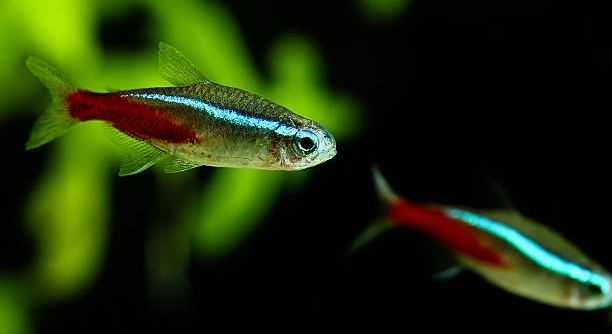
Are your tetras hiding often, darting around the tank, or refusing to eat even when conditions seem perfect? Nervous behavior in tetra groups is more common than many fishkeepers expect, especially in newer setups.
The most effective way to help a nervous tetra group is by adjusting their environment to make it feel safer, including adding more hiding spots, increasing their group size, and minimizing sudden movements or changes in lighting.
Simple changes can go a long way in helping your tetras feel secure and display their natural behaviors with confidence.
Add More Hiding Spaces
Tetras feel safer when they have plenty of places to hide. When their tank is open and empty, they tend to stay near the corners or bottom, constantly alert and stressed. You can help by adding plants—real or fake—along with caves, driftwood, or even decorations they can swim through. These give them shelter and help block sudden movements outside the tank. A more shaded and covered environment makes tetras feel like they’re in a natural setting, which helps reduce their anxiety. Keep the layout balanced so they still have space to swim freely in the middle of the tank.
A few well-placed decorations can shift their behavior in just a few days, encouraging them to swim calmly in open water.
Make sure you don’t overfill the tank with hiding spots either. While coverage helps, your tetras still need open areas to swim and interact. Choose soft-edged plants and smooth décor to prevent injury. Arrange the hiding spots in clusters along the back and sides of the tank, leaving the center mostly clear. This setup creates a natural flow in the tank, giving them comfort without clutter. Try to match the décor to their species’ native habitat for the best results.
Keep Them in a Larger Group
Tetras are schooling fish, and being alone or in a small group can make them feel unsafe. Aim for a group of at least six to eight.
When kept in a proper group, tetras feel more secure and display calmer, more natural behaviors. Schooling gives them a sense of protection, which lowers their stress levels and helps them settle into their environment faster. In small numbers, tetras often feel exposed, which leads to erratic swimming, hiding, or skipping meals. By increasing their group size, they are more likely to explore the tank freely and develop a stable pecking order. This also makes it easier to spot if one fish is sick or behaving oddly. Adding more tetras should always be done gradually and only if your tank size allows. A good rule is one inch of fish per gallon of water. Also, try to keep them all the same species, as mixing types can sometimes lead to uneven schooling behavior.
Reduce Reflections and Outside Movement
Tetras can get nervous if they constantly see their own reflection or if there’s too much activity around the tank. These things make them feel threatened and unsafe. Covering the sides of the tank or adjusting the lighting can help reduce this stress quickly.
Reflections often come from overly bright lighting or a tank placed near a light-colored wall. You can tone this down by using a background on the back of the tank or slightly dimming the room lights. If the tank glass is clean, reflections are more likely, so try not to over-polish it. Curtains or furniture that blocks outside motion can also make a difference. If the tank is near a hallway or an active part of your home, consider moving it to a quieter spot. Less movement outside the glass will help your tetras settle down and behave more calmly throughout the day.
Some tetras may react to movement more than others, depending on the species or their past environment. If your tetras were raised in a busy space, they might tolerate more motion—but new or young fish often need quieter surroundings. You can tape dark paper to one or more tank walls if the tank is in a bright room. This reduces both light glare and reflection. Also, avoid sudden shadows or fast movements near the tank, especially during feeding or early morning hours. These small changes often make a big impact on how safe your tetras feel.
Check for Aggressive Tank Mates
Tetras get stressed when kept with fish that nip, chase, or guard territory. Even if there’s no actual harm, the constant tension affects their health and behavior. It’s best to avoid fast or aggressive fish that compete for space or food.
Fish like barbs, large gouramis, or even semi-aggressive cichlids can make a tetra group anxious. You may not see direct attacks, but constant chasing or hovering too close can keep tetras on edge. If your tetras stay hidden most of the time or never seem to relax, tank mates could be the issue. Watch during feeding and lights-on moments—this is when tension shows most. Try replacing stressful fish with peaceful bottom-dwellers or similarly sized calm fish, like small rasboras. Creating zones in the tank with plants or rocks also helps reduce run-ins. A calm tank encourages natural behavior and healthy interaction among your tetras.
Keep Lighting Calm and Consistent
Sudden changes in lighting can startle tetras and make them hide. Use a timer to keep lights on a steady schedule, and avoid flipping them on and off quickly. Gentle transitions help them feel safe.
Dim lighting or floating plants can soften harsh brightness. Tetras prefer shaded areas and will swim more confidently in a calmer setup.
Maintain Stable Water Parameters
Unstable water conditions can stress tetras and make them more likely to hide or act skittish. Keep their tank clean with regular water changes, and test for ammonia, nitrite, and nitrate weekly. Temperature should be steady, ideally between 74–80°F. Use a reliable heater and thermometer. Sudden changes, even small ones, can cause panic. Try to keep pH stable as well—around 6.8 to 7.2 works for most tetra species. Avoid overfeeding, as leftover food can affect water quality fast. A peaceful tank depends heavily on stable conditions, and nervous behavior is often the first sign something is off.
Allow Time to Adjust
New tetras often need several days—or even weeks—to adjust to their environment. Give them space, avoid tapping the glass, and keep the tank calm.
FAQ
Why are my tetras so nervous all the time?
Tetras can become nervous due to several factors. Sudden changes in their environment, such as new tankmates, bright lights, or strong water currents, often cause stress. Poor water quality and a lack of hiding spots also contribute to their anxiety. Tetras naturally prefer peaceful surroundings with consistent conditions and enough company. When these needs aren’t met, they may hide, dart around, or refuse to eat. Observing their behavior and tank setup closely can help identify the specific cause.
How many tetras should I keep together to reduce their nervousness?
A minimum group of six to eight tetras is ideal. Tetras are schooling fish, meaning they feel safer and more confident in numbers. Smaller groups often make them feel exposed and vulnerable. Keeping enough fish allows them to stick together, reducing stress and promoting natural behaviors. Always consider your tank size before adding more fish, and avoid overcrowding.
Can the wrong tank mates cause stress for my tetras?
Yes, aggressive or fast-moving tank mates can stress tetras out. Fish that chase or nip at tetras will keep them nervous and hiding. It’s best to choose peaceful species that share similar temperaments and size. Avoid keeping tetras with territorial or predatory fish. Observing interactions during feeding times and throughout the day can show if any fish are causing problems.
How often should I clean the tank to keep my tetras calm?
Regular maintenance is crucial. Weekly partial water changes of about 20-30% help keep toxins low. Clean the substrate and remove uneaten food to prevent ammonia buildup. Use water testing kits frequently to monitor ammonia, nitrite, nitrate, and pH levels. Stable water parameters reduce stress and help tetras stay healthy and calm.
Do tetras prefer plants or decorations in their tank?
Yes, tetras feel safer with plenty of plants and decorations. These create hiding spots and break up open space, which can be intimidating for them. Live plants improve water quality and provide natural cover. If live plants aren’t possible, silk or soft plastic plants work well. Avoid sharp or rough decorations that could injure the fish.
Is lighting important for tetra comfort?
Lighting plays a big role in how secure tetras feel. Too bright or sudden lighting changes can scare them. A consistent light schedule, preferably with a timer, helps establish routine. Dim or filtered light, using floating plants or backgrounds, can create a more natural and calming environment.
How long does it take for tetras to settle after being introduced to a new tank?
Tetras usually take several days to a few weeks to fully adjust to new surroundings. During this time, they may hide or swim nervously. Patience is key. Keeping the tank quiet, stable, and stress-free helps them acclimate faster. Avoid sudden changes during this period.
Can feeding affect tetra behavior?
Feeding routines impact stress levels. Overfeeding leads to poor water quality, which can stress tetras. Underfeeding or inconsistent feeding may make them skittish or overly aggressive at mealtime. Feeding small amounts 1-2 times a day with a balanced diet keeps them healthy and calm.
What water temperature is best for tetras to feel comfortable?
Most tetras prefer temperatures between 74°F and 80°F. Keeping the temperature steady within this range prevents stress. Sudden drops or spikes can cause nervous behavior and illness. Use a reliable heater and thermometer to monitor and maintain stable warmth.
How can I tell if my tetras are stressed or sick?
Signs of stress include hiding, erratic swimming, loss of appetite, and faded colors. Illness may show as spots, clamped fins, or labored breathing. Stress often leads to weakened immune systems, making sickness more likely. Regular observation and proper tank care help catch problems early and keep tetras healthy.
Final Thoughts
Helping a nervous tetra group feel safe takes time and care. Small changes in their environment can make a big difference. Adding hiding spots, keeping them in a proper group, and reducing outside stress all help tetras feel more comfortable. It’s important to keep their tank stable with regular maintenance and consistent water conditions. When these basics are in place, tetras are more likely to show natural, calm behavior.
Remember that tetras are sensitive to their surroundings. Sudden loud noises, bright lights, or aggressive tank mates can cause them stress. It’s not always easy to spot the exact reason why your tetras are nervous, but by paying attention to their behavior and tank setup, you can usually find a fix. Patience is key—these fish need time to adjust to new environments. Over time, they will start to swim more confidently and interact with each other as they would in the wild.
Creating a calm and stable tank for your tetras is rewarding. Watching them swim peacefully and happily makes the effort worth it. The more you learn about their needs, the better you can care for them. Keeping their environment clean, calm, and suited to their natural habits supports their health and happiness. With the right steps, your nervous tetras can become lively, confident fish that brighten your aquarium for years to come.

Hello,
If you enjoy the content that we create, please consider saying a "Thank You!" by leaving a tip.
Every little bit helps us continue crafting quality advice that supports the health, happiness, and well-being of pets around the world, for pets of all shapes, sizes, and species.
We really appreciate the kindness and support that you show us!