
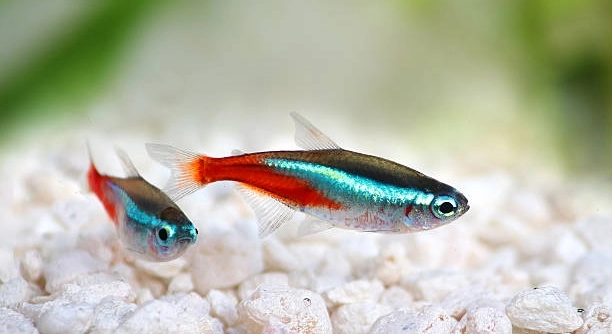
Are your tetras swimming in sudden, jerky movements that seem unusual? This behavior can be worrying for any fish owner who wants their tank to be calm and healthy. Understanding why this happens helps keep your fish comfortable and safe.
Jerky swimming in tetras often results from stress, poor water quality, or illness. These factors disrupt their normal movement patterns, causing spasms or quick, erratic swimming as they try to cope with discomfort or environmental changes.
Learning about these causes can help you create a better environment for your fish. Proper care ensures your tetras swim smoothly and live happily in your aquarium.
Common Causes of Jerky Swimming in Tetras
Jerky swimming in tetras can come from several common issues. One major cause is poor water quality. If the tank water has high levels of ammonia, nitrites, or nitrates, it can stress the fish and make them swim erratically. Sudden changes in water temperature or pH can also cause discomfort, leading to jerky movements. Another reason can be parasites or infections. Tetras are sensitive fish, and any illness can affect their nervous system or muscles, causing spasms. Stress from overcrowding or aggressive tank mates can also make them swim in a nervous, jerky way. When fish feel unsafe or crowded, their behavior changes quickly. Lastly, a lack of oxygen in the water can cause gasping or sudden bursts of swimming as they try to get enough air. Regular testing and maintenance are key to preventing these problems and helping your fish stay calm and healthy.
Proper water testing and regular cleaning are important to keep your tetras comfortable. Checking temperature and oxygen levels can prevent many problems.
When you keep your tank clean and stable, you reduce stress for your tetras. Make sure to test your water weekly using a reliable kit. Remove uneaten food and debris often to avoid ammonia buildup. Keep your tank at a consistent temperature between 74°F and 80°F, as fluctuations can cause stress. Avoid overstocking the tank to give each fish enough space. Adding plants and hiding spots helps tetras feel safe. If you notice odd swimming, test the water first and watch for signs of disease. Early treatment of infections with aquarium-safe medicines can save your fish. Managing these factors will help your tetras swim smoothly and live longer.
How Stress Affects Tetra Behavior
Stress changes how tetras behave and swim. When stressed, they often swim in quick, jerky lines to escape perceived threats. This is a survival instinct in the wild but becomes harmful in a tank. Stress weakens their immune system, making them more vulnerable to illness. It can also reduce their appetite and cause hiding.
Fish stress can come from many sources such as loud noises, sudden movements near the tank, or poor water quality. Even changes like adding new fish or rearranging decorations can upset them. Tetras need a calm, stable environment to thrive. Watching your tank’s setup and daily routine can help reduce stress. Keeping the tank quiet, stable, and well-maintained supports their health. Stress management is key to preventing jerky swimming and other signs of distress in your tetras.
Signs of Illness in Tetras
Jerky swimming can be a sign that your tetra is sick. Other symptoms may include clamped fins, loss of appetite, or discoloration. Early detection helps prevent the illness from worsening and spreading to other fish.
Tetras often show visible changes when they get sick. You might notice white spots, fuzzy patches, or red streaks on their body. Swimming upside down or staying at the bottom of the tank are also common signs of illness. When fish are unwell, they may become less active or isolate themselves. Monitoring your fish daily helps catch these issues early. Treating sickness quickly increases the chance of recovery and keeps your tank healthy.
Illness in tetras often results from poor water conditions or infections like ich or fin rot. These diseases affect their nervous and muscular systems, causing jerky swimming. Regular water testing, quarantine of new fish, and maintaining cleanliness are vital for prevention. If you suspect illness, using medication designed for tropical fish can help. Be sure to follow the instructions carefully. Isolating sick fish during treatment avoids spreading disease. Consistent care is essential to keep your tetras healthy and swimming smoothly.
Improving Your Tank Environment
Stable water conditions are key to preventing erratic swimming. Maintaining proper temperature, pH, and oxygen levels creates a safe space for your tetras. Avoid sudden changes to keep them comfortable.
Keeping your tank clean and balanced is the best way to support your tetras’ health. Regular water changes, ideally 25% weekly, help remove toxins. Use a good filtration system to keep the water clear. Plants and decorations provide hiding spots and reduce stress. Test water parameters often and adjust as needed to maintain ideal levels: temperature between 74°F and 80°F, pH around 6.5 to 7.5. Avoid overcrowding and feed small portions of high-quality food daily. A calm, consistent environment reduces stress and prevents jerky swimming, promoting long-term wellbeing for your fish.
Tank Overcrowding Issues
Too many fish in one tank causes stress and jerky swimming. Overcrowding lowers oxygen and increases waste, which harms tetras’ health.
Providing enough space helps your fish move naturally. Avoid adding more fish than your tank can support to keep the environment balanced and peaceful.
Oxygen Levels and Their Impact
Low oxygen in the tank can cause tetras to swim erratically or gasp at the surface. This often happens if the water is dirty or the filter isn’t working well. Increasing aeration with an air stone or improving water circulation can help maintain healthy oxygen levels. Proper oxygenation supports smooth, calm swimming and overall fish vitality.
Handling New Fish
Introducing new fish can cause stress for your tetras. Quarantine new arrivals to prevent diseases and reduce tank tension.
FAQ
Why are my tetras swimming in jerky lines all of a sudden?
Jerky swimming usually means your tetras are stressed or uncomfortable. This can happen due to sudden changes in water temperature, poor water quality, or the presence of parasites or illness. It may also be caused by overcrowding or aggressive tank mates. Checking water parameters and observing other signs of sickness can help find the cause quickly.
Can poor water quality cause jerky swimming?
Yes, poor water quality is one of the main reasons for erratic swimming in tetras. High ammonia, nitrites, or nitrates irritate their gills and nervous system. Dirty water can also lower oxygen levels, making it hard for fish to swim normally. Regular testing and cleaning keep water safe and reduce stress.
How often should I test my aquarium water?
It’s best to test your water at least once a week. This helps catch problems like ammonia spikes or pH shifts early before your tetras start showing symptoms. Use an easy-to-read test kit designed for freshwater tanks to monitor ammonia, nitrites, nitrates, pH, and temperature.
Can temperature changes cause jerky swimming?
Yes, tetras are sensitive to temperature changes. A sudden drop or rise can stress them, leading to quick, jerky movements. Keep the tank temperature steady between 74°F and 80°F. Using a reliable heater and thermometer helps maintain a stable environment.
Are jerky movements a sign of illness?
Often, yes. Jerky swimming can indicate infections like ich, fin rot, or parasites affecting the fish’s nervous or muscular system. Look for other signs such as white spots, torn fins, or changes in behavior. Early treatment is important to prevent the illness from spreading.
How can I treat jerky swimming caused by illness?
If illness is suspected, isolate the affected fish if possible. Use aquarium-safe medications designed for the specific disease. Follow dosage instructions carefully and maintain good water quality during treatment. Sometimes multiple treatments are needed to fully clear infections.
Does overcrowding cause jerky swimming?
Definitely. Overcrowding increases stress and competition for oxygen and food. Tetras may swim nervously or in sudden bursts if they feel crowded. Provide at least one gallon of water per fish and avoid keeping too many in a small tank.
Can tank decorations affect swimming behavior?
Yes. Lack of hiding places or sharp decorations can cause stress or injury, resulting in jerky swimming. Providing plants, caves, or smooth decorations helps tetras feel safe and reduces nervous behavior.
How does oxygen level affect tetra swimming?
Low oxygen makes fish swim rapidly or gasp at the surface to breathe. This erratic swimming is a sign your tank needs better aeration. Adding an air stone or improving filter flow can increase oxygen levels and calm your fish.
Should I quarantine new fish before adding them to the tank?
Always quarantine new fish for at least two weeks. This prevents introducing diseases or parasites that could stress or infect your tetras, leading to jerky swimming and other health problems.
Can feeding habits influence swimming patterns?
Yes. Overfeeding can pollute the water, while underfeeding weakens fish. Both cause stress and abnormal swimming. Feed small amounts of high-quality food once or twice daily and remove leftovers promptly to keep the tank clean.
Is jerky swimming harmful to tetras long-term?
If caused by stress or illness, it can be harmful. Prolonged stress weakens the immune system and can lead to death. Identifying and fixing the cause quickly helps ensure your tetras remain healthy and swim normally.
Jerky swimming in tetras is usually a sign that something in their environment needs attention. It can happen for many reasons like poor water quality, stress, illness, or overcrowding. Paying close attention to your tank’s conditions and your fish’s behavior is important. When you notice sudden or unusual swimming patterns, it’s a good idea to check the water parameters such as temperature, pH, ammonia, nitrite, and nitrate levels. Keeping these factors stable creates a safer and more comfortable home for your fish.
Stress plays a big role in how tetras swim and behave. Factors like loud noises, too many fish in one tank, or sudden changes in their surroundings can make them swim nervously or jerkily. A calm, stable environment helps reduce stress. This means keeping the tank clean, avoiding sudden changes, and providing hiding spots with plants or decorations. Regular water changes and proper filtration also keep toxins and waste low, which prevents stress and keeps your tetras healthy. If you have new fish, quarantining them before adding them to the main tank helps avoid spreading diseases that cause jerky movements.
If jerky swimming continues or is combined with other signs like loss of appetite, discoloration, or unusual spots, your tetras might be sick. Early detection and treatment are key to helping your fish recover. There are medicines available for common infections and parasites, but maintaining good tank care is the best way to prevent illness. Regular observation and quick action will help your tetras swim smoothly and live longer. Overall, attention to water quality, stress reduction, and careful health monitoring will keep your fish happy and active.

Hello,
If you enjoy the content that we create, please consider saying a "Thank You!" by leaving a tip.
Every little bit helps us continue crafting quality advice that supports the health, happiness, and well-being of pets around the world, for pets of all shapes, sizes, and species.
We really appreciate the kindness and support that you show us!