
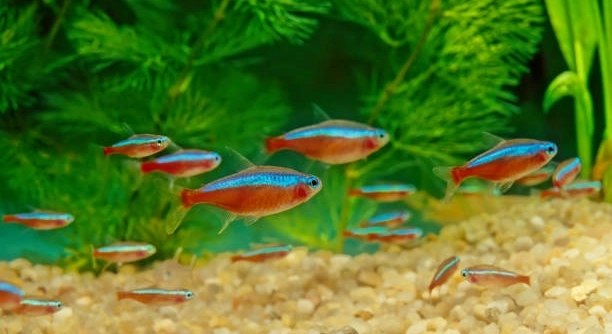
Are your tetras acting shy and staying hidden ever since you introduced new fish into their tank environment? You’re not alone. This behavior is common and often leaves fishkeepers feeling unsure about what went wrong.
Tetras often hide after new fish are added due to stress caused by sudden environmental changes, unfamiliar tank mates, or disrupted social hierarchies. This reaction is a natural defense mechanism as they adjust to their new surroundings.
Learning what causes this behavior can help you create a more stable and comfortable environment for your tetras to thrive in.
Why Tetras React to New Tank Mates
Tetras are small, peaceful fish that thrive in calm, predictable environments. When new fish are added, especially ones with different behaviors or sizes, tetras can quickly become stressed. This stress often causes them to hide behind plants, rocks, or decorations. Even small changes in tank dynamics—such as new swimming patterns or unfamiliar scents—can feel overwhelming. In some cases, tetras might feel threatened or unsure of their territory. Their natural response is to retreat until they feel safe again. The hiding can last a few days or even longer, depending on how quickly they adapt. It’s not uncommon for them to reduce activity, avoid feeding, or hover low in the tank during this time. These reactions aren’t signs of illness, just signs they need time and stability. By understanding this, you can support their comfort and reduce the stress they feel in a changing environment.
Tetras depend heavily on group dynamics and consistency. Sudden disruptions unsettle their sense of safety.
To help your tetras feel more secure, make sure they have plenty of hiding spots using plants, caves, or driftwood. Keep lighting low for a few days and reduce loud noises around the tank. Avoid introducing several new fish at once. Add new tank mates gradually, and monitor the tank for signs of bullying or chasing. If the new fish are aggressive or much larger, they may intimidate the tetras. It’s important to match temperament and size. Try to maintain water parameters consistently, as swings in temperature or pH can add to their stress. Feeding them a small amount of their favorite food can also provide comfort. Remember, it may take a few days for your tetras to explore again. Patience and a calm environment go a long way in helping them adjust and regain their usual activity.
How Long Will It Last?
In most cases, tetra hiding only lasts a few days. Once they feel safe and familiar with their surroundings, they usually return to normal.
It’s important not to force them out of hiding or rearrange the tank too frequently. Avoid tapping on the glass or adjusting decorations, as this can increase anxiety. If you’ve ruled out aggression or poor water conditions, give them time. Consistency is key. Try to keep your routine steady—same feeding schedule, same lighting times, and minimal tank disturbance. Over time, their confidence grows. If your tetras are still hiding after a week, recheck water quality, tank mate behavior, and make sure the tank isn’t overcrowded. Too many fish in one tank creates competition for space and can overwhelm more sensitive species like tetras. You might also notice they begin to come out more during feeding, which is a positive sign. With the right care, most tetras settle back into their social, active nature comfortably.
Creating a Peaceful Tank Environment
A peaceful tank helps reduce stress for your tetras. Use plants, caves, and driftwood to break sightlines and give them places to rest. Avoid loud noises, sudden movements, or bright lights, especially right after introducing new fish.
Stick to a regular schedule for feeding, water changes, and lighting. Tetras feel safer when things stay predictable. If possible, keep tank mates that are calm, similar in size, and non-aggressive. Species like rasboras or small Corydoras can be good companions. Avoid large or overly active fish that may crowd or chase your tetras. A well-planted tank also helps, as it mimics their natural environment. Plants provide shelter and a sense of security, making it easier for them to come out. Keep water quality stable and test it regularly. Consistent temperature, pH, and clean water will reduce their stress and improve overall behavior in the tank.
Give your tetras time to adjust to new additions. It’s normal for them to observe from a distance before returning to their normal routine. Avoid making additional changes during this time. Let the tank settle for at least a week. Continue observing your tetras closely—if they start coming out to eat or swim near their usual group, that’s a good sign. Try not to handle or disturb the tank unless necessary. If you’re adding decor, wait until your tetras are visibly comfortable. You’ll likely see them exploring more once the environment feels familiar again. Consistency is your best tool when easing their stress. A stable tank with gentle conditions helps your tetras feel confident enough to return to their usual activity levels.
When to Be Concerned
If your tetras continue hiding for over a week, it may be a sign of something more serious. Check for signs of illness, such as faded color, clamped fins, or lack of appetite. These symptoms need attention.
First, test your water for ammonia, nitrites, and nitrates. Poor water quality is one of the top reasons fish become sick or stressed. Even if levels look safe, sudden changes in pH or temperature can still affect sensitive fish like tetras. If the water is stable, observe the new fish. Are they chasing or nipping at your tetras? Constant harassment can force your tetras to stay hidden. In some cases, it may be necessary to separate aggressive tank mates or rehome them. Check for overcrowding too—too many fish make it difficult for tetras to claim safe spaces. By identifying the root of the problem, you can take steps to protect their health and comfort.
What to Avoid During Adjustment
Avoid adding more fish during the adjustment period. Introducing too many changes at once will overwhelm your tetras and delay their recovery. Let the tank settle completely before making any further updates.
Do not move decorations or plants around unless absolutely necessary. Rearranging the layout removes familiar landmarks, which can unsettle your tetras even more.
How to Encourage Exploration
Feed your tetras small amounts of food at the same time each day, ideally in areas where they used to swim freely. Familiar smells and routines can draw them out. Avoid overfeeding, as uneaten food can pollute the tank. Try dimming the lights during feeding, which makes the environment feel safer. You can also sit quietly near the tank while they eat. This builds trust and helps them feel more comfortable over time. Watch for gradual improvements, like swimming slightly farther from hiding spots or staying out longer after meals. These signs show your tetras are starting to feel safe again.
Signs Your Tetras Are Settling
Once your tetras begin swimming together and eating normally, it’s a good sign they’re feeling more secure. Watch for steady activity and relaxed movement.
FAQ
Why did my tetras start hiding right after I added new fish?
Tetras are sensitive to change. When new fish are added, it shifts their sense of security. They may feel threatened or unsure about the behavior of the new tank mates. This often leads to hiding as a natural way to protect themselves. It doesn’t always mean something is wrong—it just means they need time to adjust. Some tetras are more timid than others and may need extra shelter to feel safe. Their behavior usually improves within a few days as they become more familiar with the new setup and other fish.
Can aggressive fish cause long-term stress in tetras?
Yes, aggressive or fast-moving fish can make tetras feel unsafe long-term. Even if the aggressor isn’t physically harming them, constant chasing or dominance displays are enough to create ongoing stress. Over time, this can lead to health issues, loss of color, and lowered immunity. If your tetras are hiding all the time and avoiding open areas, it’s worth observing the behavior of their tank mates. You may need to separate or rehome the more dominant fish to restore balance. Keeping fish with similar temperaments and sizes helps prevent this type of conflict.
Is it normal for tetras to stop eating during this time?
Yes, it’s common for tetras to lose their appetite when they feel anxious or unsafe. They may skip meals or eat only when the tank is quiet. This doesn’t usually last more than a few days. Try feeding smaller amounts and removing uneaten food after ten minutes. Dimming the lights during feeding can also help them feel more comfortable. If they still aren’t eating after a week, check water parameters and observe for signs of illness. Sometimes poor water quality or hidden disease can contribute to both hiding and appetite loss.
Should I rearrange the tank to help them feel safer?
Only make small changes, and avoid large rearrangements right after introducing new fish. Tetras rely on familiar surroundings to feel secure. Moving everything around may confuse them more. If your tank lacks hiding spots, you can gently add a few plants or decorations without disturbing their usual territory. Focus on giving them cover near the bottom or middle levels of the tank. Make changes slowly and only when necessary. A settled, stable tank helps them feel more at ease than one that’s always shifting.
How long should I wait before taking action?
If your tetras are still hiding after seven to ten days, it’s time to investigate further. Start by checking your water parameters to rule out any issues there. Then, observe the other fish—are any acting aggressive or territorial? If so, it might be time to remove or separate them. Also, check that the tank isn’t overcrowded. Too many fish in a small space can raise stress levels. Making sure the environment is calm, clean, and peaceful is the first step. If those conditions are met and the behavior continues, it could point to illness or injury.
Do tetras always act like this with new fish?
Not always. Some tetras adjust quickly and resume their normal behavior within a day or two. Others are more timid and take longer to feel safe again. Their response depends on the size and behavior of the new fish, the layout of the tank, and how many fish are added at once. If your tetras have plenty of hiding spots and tank mates with gentle behavior, they’re less likely to hide for long. It’s all about providing the right conditions for their comfort.
Can lighting affect how safe tetras feel?
Yes, strong lighting can increase stress, especially when tetras are already anxious. Keeping the lights dim for the first few days after introducing new fish can help calm them down. Soft lighting mimics their natural environment and gives them a better sense of safety. You can also use floating plants to reduce brightness and give them shaded areas to rest. Once they start swimming more confidently, you can gradually return to your usual lighting schedule. Don’t change light settings too often—it’s better to keep things consistent once they’re settled.
Final Thoughts
Tetras are peaceful fish that enjoy stability and calm surroundings. When new fish are added to their tank, it’s normal for them to feel unsure and hide. This behavior is a natural reaction to change. It helps them stay safe while they figure out what’s going on. Sometimes they may hide for just a day or two. Other times, it might take a week or more before they feel brave enough to come out again. During this adjustment period, it’s important not to panic. Give them time, keep the tank quiet, and avoid adding more fish or moving things around.
Creating a peaceful environment helps your tetras feel secure. Use plants, driftwood, and decorations to give them shelter. Make sure their tank mates are calm and not too active or aggressive. Stick to a regular schedule for feeding and lighting. Keep your water clean and stable—sudden changes in temperature or pH can make stress worse. If your tetras are still hiding after several days, check for signs of illness or bullying. Sometimes a fish that seems calm may be bothering your tetras when you’re not watching. You might need to remove certain fish or change the tank setup slightly to help everyone feel safe.
Patience is key when helping tetras adjust. Don’t try to force them to come out or tap on the glass. These actions only make them more scared. Instead, let them settle in at their own pace. Watch for small signs of progress, like coming out to eat or swimming a bit farther from their hiding spot. Over time, they usually return to their normal, active selves. Every tank is a little different, and some fish take longer than others to adapt. By giving your tetras the space and calm they need, you’re helping them feel comfortable again. In the end, a peaceful tank means happier, healthier fish.

Hello,
If you enjoy the content that we create, please consider saying a "Thank You!" by leaving a tip.
Every little bit helps us continue crafting quality advice that supports the health, happiness, and well-being of pets around the world, for pets of all shapes, sizes, and species.
We really appreciate the kindness and support that you show us!