
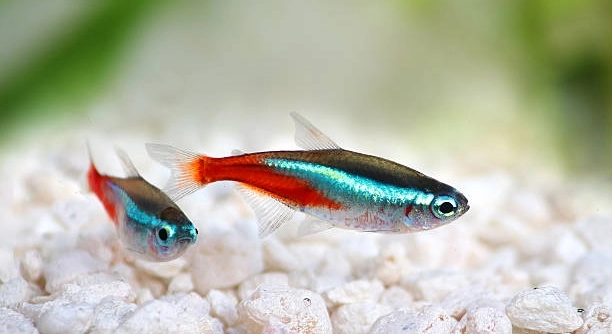
Have you ever thought about setting up a home for tetras but felt unsure where to start? Tetras are small, peaceful fish that are perfect for beginner aquarists, but their care still requires some planning.
The easiest way to build a beginner-friendly tetra tank is to focus on water quality, proper tank size, compatible tank mates, and a gentle setup that mimics their natural environment.
Learning a few basic tips can make tank setup easier and help your tetras live comfortably, even if you’ve never kept fish before.
Choose the Right Tank Size
Tetras are small, but they are active swimmers that do best in a group. A 20-gallon tank is a good starting point for beginners. It gives your fish space to swim and helps keep water conditions more stable. Smaller tanks tend to experience sudden changes in temperature and water quality, which can be stressful for tetras. Starting with a larger tank may feel like more work at first, but it makes long-term care easier. Tetras are social fish and need to be kept in a group of at least six to feel safe. This is why tank size matters more than people often assume. When choosing a tank, avoid tall, narrow shapes. Tetras prefer horizontal space, where they can swim side to side. Always include a lid to prevent jumping. Glass tanks are more scratch-resistant, while acrylic ones are lighter and often clearer, so pick the one that fits your space and budget best.
A 20-gallon tank gives you enough space for a small school of tetras, basic decorations, and a filter, without being too difficult to clean or maintain.
Setting up the right tank size from the beginning helps your tetras feel less stressed and allows you to maintain better water quality. It also reduces problems with aggression and illness.
Use a Soft Filter
Tetras prefer calm water with gentle movement, similar to the slow-flowing streams they come from in the wild. A strong filter may disturb them and make swimming harder.
Look for a sponge filter or a filter with adjustable flow settings. Sponge filters are often quiet, easy to clean, and perfect for smaller tanks. They provide enough filtration to keep the water clean without creating too much current. If you choose a hang-on-back filter, adjust the outflow so it doesn’t push your tetras around. You can even add a sponge or pre-filter to reduce flow. Some filters come with spray bars that help spread out the water movement more evenly, which is ideal for a tetra tank. A soft filter also helps protect delicate fins from damage and avoids stirring up too much waste from the substrate. Clean your filter regularly, but never use soap—just rinse it in tank water during water changes. This keeps the good bacteria alive and your tank stable.
Add Hiding Spots and Decorations
Tetras feel more secure when they have places to hide. Use plants, rocks, and driftwood to create small hiding areas. This helps reduce stress and encourages natural behavior like schooling and exploring. Avoid overcrowding the tank, but make sure it doesn’t feel too open.
Live or artificial plants work well for cover. Java fern, anubias, and hornwort are easy options that don’t need much light or care. Driftwood and smooth rocks give extra structure without taking up too much space. Group decorations to form small clusters rather than scattering them randomly. This creates a natural look and gives the fish safe spaces to retreat if needed. Tetras often swim around and between these objects, which keeps them active and less nervous. Avoid sharp edges or decorations with tiny holes that fish can get stuck in. A well-decorated tank also looks better and feels more complete to watch and enjoy.
Don’t forget about the background. Adding a dark or frosted background can help tetras feel more secure by reducing reflections and sudden movements outside the tank. If using artificial plants, choose soft, flexible types to avoid fin damage. Try to keep the tank layout simple, with open swimming areas in the front and hiding spots along the sides or back.
Maintain Stable Water Conditions
Sudden changes in water temperature or chemistry can make tetras sick. Keep the tank between 74–80°F, and test the water regularly for ammonia, nitrite, and nitrate. Stability is more important than perfection when it comes to their environment.
Use a heater to keep the temperature steady, especially in cooler rooms. A thermometer helps you monitor it daily. Perform weekly partial water changes—about 25%—to remove waste and keep water quality high. Use a water conditioner to remove chlorine and chloramine from tap water. Keep pH levels between 6.5 and 7.5. Avoid adding too many new fish or changing equipment all at once, as this can disrupt the tank’s balance. Overfeeding is another common problem—feed small amounts once or twice a day, and remove any leftovers. A clean tank with stable water leads to healthier, more colorful tetras that are fun to watch and easy to care for.
Choose Peaceful Tank Mates
Tetras are peaceful and do best with calm, non-aggressive fish. Good tank mates include small rasboras, corydoras, and peaceful livebearers like guppies or platies. Avoid fin-nippers or large fish that may see tetras as food.
Keep new fish in a separate quarantine tank for a couple of weeks before adding them to the main tank. This helps prevent the spread of disease and gives the new fish time to adjust to similar water conditions. Always research compatibility before adding any species to your tetra tank.
Feed a Balanced Diet
Tetras thrive on variety. Use high-quality flakes or micro-pellets as a daily food base, and offer frozen or freeze-dried treats like bloodworms or daphnia a few times per week. Don’t overfeed—just a small pinch once or twice a day is enough. Uneaten food should be removed quickly to avoid water problems. Feeding at the same time each day helps your fish feel more secure. A good diet helps bring out their color, supports immunity, and keeps them active. Rotate food types regularly to make sure they get a mix of proteins and nutrients. Watching them eat is also a great way to spot health issues early.
Keep a Consistent Light Schedule
Use an aquarium light for 8 to 10 hours a day to mimic natural light. A regular light cycle helps reduce stress and supports plant growth if you use live plants.
FAQ
How often should I clean my tetra tank?
Regular maintenance is key to a healthy tank. Perform a partial water change of about 25% once a week to keep water clean and remove waste. Clean the glass as needed, but avoid deep cleaning the filter too often since beneficial bacteria live there. Rinse filter media gently in tank water during water changes to preserve these bacteria. Check for uneaten food and remove it to prevent water quality issues.
What temperature is best for tetras?
Tetras do well in temperatures between 74°F and 80°F (23°C to 27°C). Use an aquarium heater to maintain a steady temperature, especially in cooler rooms. Sudden temperature changes can stress your fish and cause health problems. A reliable thermometer will help you monitor the temperature daily.
Can I keep different species of tetras together?
Yes, many tetra species are peaceful and can live well together, as long as the tank is large enough and water conditions meet their needs. Common community species like neon, cardinal, and black skirt tetras usually coexist peacefully. Avoid mixing very large or aggressive tetras with smaller, more delicate ones to prevent bullying or injury.
How many tetras should I keep in one tank?
Tetras are schooling fish and feel safest in groups of six or more. A school of at least six helps reduce stress and encourages natural behavior. For a 20-gallon tank, 8 to 12 tetras is a comfortable number that balances social needs and tank space. Avoid overcrowding, which can cause water quality issues and stress.
What should I feed my tetras?
A varied diet is best. Feed high-quality flake food or micro-pellets daily, supplemented a few times a week with frozen or freeze-dried treats like bloodworms, daphnia, or brine shrimp. Avoid overfeeding by giving small amounts once or twice a day and removing leftover food. Good nutrition supports vibrant colors and overall health.
How do I know if my tetras are healthy?
Healthy tetras swim actively, show bright colors, and have clear eyes and intact fins. Watch for changes like clamped fins, loss of appetite, lethargy, or spots on their body. These can signal illness or water quality problems. Regular water testing and tank maintenance help prevent health issues.
Is a heater necessary for a tetra tank?
Yes, a heater helps maintain a stable temperature within the ideal range for tetras. Without it, temperature fluctuations can stress the fish and increase the risk of disease. Choose a heater appropriate for your tank size and check the temperature regularly with a reliable thermometer.
Can I keep plants with my tetras?
Yes, live plants are great for tetra tanks. They provide hiding spots, help improve water quality by absorbing nitrates, and create a natural environment. Easy plants like java fern, anubias, and hornwort require little maintenance and low light, making them perfect for beginners.
How do I introduce new fish to my tank?
Quarantine new fish in a separate tank for at least two weeks to monitor for illness. When ready, slowly acclimate them to the main tank by gradually mixing tank water into their transport water over several hours. This reduces shock from water parameter differences. Add new fish during the evening or when tank lights are off to reduce stress.
What causes cloudy water and how can I fix it?
Cloudy water can result from bacterial blooms, excess waste, or overfeeding. Fix this by performing partial water changes, cleaning the substrate with a siphon, and avoiding overfeeding. Make sure your filter is working properly and clean it gently if needed. Patience is important as beneficial bacteria balance the tank.
How long do tetras live?
With proper care, tetras typically live between 3 to 5 years. Good water quality, a balanced diet, and a stress-free environment contribute to a longer life span. Avoid sudden changes in the tank and keep an eye on their health to help them thrive.
Are tetras good for beginners?
Yes, tetras are excellent beginner fish because they are hardy, peaceful, and easy to care for. They adapt well to community tanks and don’t require complicated setups. Following basic care tips like proper tank size, stable water conditions, and a balanced diet makes them a rewarding choice for new aquarists.
What lighting do tetras need?
Tetras do best with a consistent light schedule of about 8 to 10 hours per day. Use an aquarium light on a timer to keep this regular. Proper lighting supports plant growth if you use live plants and helps maintain a natural day-night cycle for your fish, reducing stress.
Can tetras jump out of the tank?
Yes, tetras can jump, especially if startled or if water quality is poor. Always use a secure lid or cover on your tank to prevent escapes. Make sure there are no gaps where fish could jump out, and keep the environment calm and stable to reduce jumping behavior.
How do I prevent algae growth in my tetra tank?
Algae growth can be controlled by avoiding excessive light, not overfeeding, and keeping up with regular water changes. Adding live plants can compete with algae for nutrients. If algae appears, clean the tank walls and decorations gently with an algae scraper during maintenance.
Is it okay to have a bare-bottom tank for tetras?
Bare-bottom tanks are easier to clean and can help prevent waste buildup. However, tetras enjoy swimming around decorations and plants that provide hiding spots and enrichment. If you choose a bare-bottom tank, add plenty of floating plants or decorations to create hiding places and reduce stress.
Building a beginner-friendly tetra tank takes some planning but is very rewarding. Starting with the right tank size and equipment helps create a stable environment for your fish. Tetras are peaceful and active, so giving them enough space to swim and places to hide is important. Setting up a gentle filter and maintaining consistent water conditions will keep your tank healthy. Small details like the right temperature and a balanced diet make a big difference in how well your tetras thrive. Following simple care steps makes it easier to enjoy watching your fish without stress.
Regular maintenance is one of the most important parts of keeping a tetra tank. Changing part of the water every week and checking water parameters prevents many common problems. Cleaning the filter carefully and avoiding overfeeding also help keep water clear and safe for your fish. Keeping a consistent light schedule and adding live or artificial plants create a natural environment that benefits both the fish and the tank’s appearance. Introducing new fish slowly and choosing peaceful tank mates will ensure your community remains calm and healthy.
Patience is key when starting out with any aquarium. It can take time to find the right balance for your tank, but tetras are forgiving fish for beginners. Learning about their needs and watching their behavior will help you notice any changes early. Over time, you will gain confidence in caring for your fish and enjoy the peaceful atmosphere they bring to your home. A well-maintained tetra tank provides not only a beautiful display but also a satisfying experience in responsible fishkeeping.

Hello,
If you enjoy the content that we create, please consider saying a "Thank You!" by leaving a tip.
Every little bit helps us continue crafting quality advice that supports the health, happiness, and well-being of pets around the world, for pets of all shapes, sizes, and species.
We really appreciate the kindness and support that you show us!