
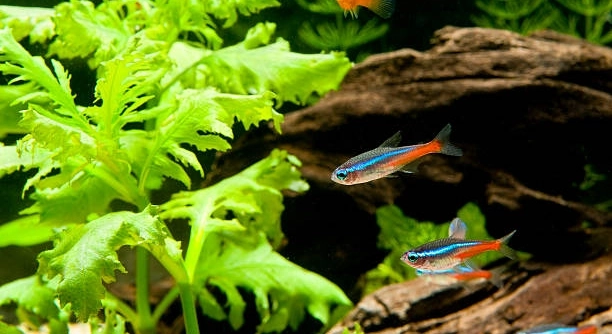
Are your usually peaceful tetras suddenly chasing or nipping at each other, making your aquarium feel more chaotic than calm?
Tetras often become aggressive due to stress, overcrowding, improper tank mates, poor water conditions, or inconsistent feeding. Environmental disruptions, like sudden lighting changes or lack of hiding spots, can also trigger defensive or dominant behaviors in otherwise peaceful fish.
Learning what causes their behavior shifts can help you restore balance and keep your aquarium calm, healthy, and enjoyable for everyone.
Overcrowding Triggers Aggression
Tetras need space to swim, hide, and feel secure. When too many fish are placed in a small tank, it creates stress and tension. This lack of space can lead to territorial behavior, chasing, and fin-nipping. Tetras are schooling fish, but that doesn’t mean they enjoy tight, cramped conditions. An overcrowded tank often means poor water quality too, adding more pressure on your fish. Each tetra should have enough room to move freely, with a minimum tank size of 10 to 20 gallons depending on the species. Crowding also limits the number of hiding places and natural barriers, making it harder for tetras to avoid aggressive individuals. Ensuring proper tank size and spacing will help reduce these tensions and give each fish a better quality of life.
If your tetras are constantly clashing, the tank may be too full.
Rehoming a few fish or upgrading to a larger tank can often solve this issue. Monitor your school’s behavior after making changes, and be sure to keep your group size balanced—six or more tetras of the same species usually helps distribute aggression and keeps them calmer. Add decorations or plants to break up sightlines, which can ease competition for space. A peaceful tank starts with proper planning.
Poor Water Quality Increases Stress
Stress caused by dirty water is one of the top reasons tetras lash out at each other.
Ammonia, nitrites, and unstable pH levels make fish irritable and uncomfortable. When their environment becomes toxic, tetras react by becoming more territorial or defensive. Dirty water also lowers oxygen levels, making it harder for them to breathe, which increases their stress. You may notice them gasping near the surface or chasing others away from their space. To prevent this, test your tank water regularly and change 25% weekly. Keep the filter clean but avoid over-cleaning it, as that may remove helpful bacteria. Add live plants if possible—they naturally help filter the water. Feeding too much or skipping water changes are small habits that add up over time. Clean water doesn’t just look better—it keeps your fish calm and safe. Prioritize routine maintenance, and you’ll notice fewer fights and more relaxed schooling behavior in your tank.
Incompatible Tank Mates Cause Conflict
Mixing tetras with aggressive or overly active fish can lead to fights and stress. Larger or faster fish may chase, nip, or intimidate them. Even calm fish that don’t match their temperament can disrupt the school’s dynamic and make them act out defensively.
When tetras are housed with incompatible species, their sense of safety is often disturbed. They may lash out in response to being chased or feeling threatened. Tank mates like bettas, barbs, or certain cichlids can provoke aggressive behaviors in even the calmest tetras. Avoid placing tetras with fish that are much larger, aggressive, or prefer different water conditions. Stick with peaceful, similarly sized community fish like rasboras or peaceful gouramis. Always research the temperament of new additions. Compatibility affects more than just peace—it helps maintain balance in activity, feeding, and stress. A mismatched group can throw off that balance and lead to fights or anxiety.
Keeping a harmonious tank starts with choosing tank mates that match your tetras’ calm and social nature. It’s not only about size but also swimming style, diet, and behavior. Fast or erratic swimmers might unintentionally scare tetras. Aggressive fish may nip fins or steal food. By selecting the right companions, your tetras can school freely, stay calm, and thrive. Balanced group dynamics help prevent tension.
Lack of Hiding Spots Increases Tension
When tetras have nowhere to hide, they feel exposed and anxious. This often leads to defensive behavior, including chasing and nipping. Plants, rocks, or decorations help break up space and reduce direct contact between stressed fish.
Hiding places give tetras a way to escape aggressive tank mates or overwhelming situations. Without these spaces, they stay in constant view of each other, increasing friction. A well-decorated tank helps lower stress and supports calmer interactions.
Inconsistent Feeding Schedules Create Frustration
Skipping meals or feeding at random times can lead to hunger and short tempers. Tetras may become competitive and aggressive when food is not consistent. Feeding them at regular times keeps them relaxed and focused. Use high-quality food and monitor portions to prevent overfeeding, which can also affect behavior. Uneven feeding habits confuse their natural rhythm. A predictable routine gives them a sense of security. With proper feeding, you’ll see more peaceful swimming and less frantic activity during meal times. It’s a simple habit that can reduce tension in the tank and support better overall health.
Sudden Lighting Changes Shock Them
Bright lights turned on or off suddenly can startle tetras and trigger aggressive responses. Gradual lighting changes or using dim lighting in the morning and evening can help reduce stress and keep them feeling calm.
FAQ
Why are my tetras chasing each other all of a sudden?
Chasing is often a sign of stress or disrupted social balance. It may be due to overcrowding, poor water quality, or sudden environmental changes. Tetras chase each other when they feel unsafe or need to establish dominance. It can also happen when new fish are added to the tank. If the tank is too small, they don’t have enough room to escape or find space of their own. Ensuring the tank is large enough, properly filtered, and has hiding spots helps reduce chasing. A consistent routine also helps calm their behavior over time.
Do tetras become aggressive during feeding time?
Yes, tetras can show aggressive behavior when they are hungry or if food is scarce. During feeding, they may push or nip others to get access to food. This becomes worse if they aren’t fed regularly or if the portions are too small. Try spreading food evenly across the tank to make sure everyone gets a fair share. Feed at the same times each day to help them feel secure. Using slow-sinking food or feeding in different spots can also reduce competition. A steady routine can go a long way in keeping feeding time peaceful.
Can male tetras be more aggressive than females?
Male tetras are often more territorial, especially in smaller tanks. They may chase or nip to show dominance. However, the aggression usually stays low if the tank is spacious and the group is balanced. Having more females than males often helps, as it spreads out attention and keeps one male from targeting just one fish. Watching their interactions and adjusting group size or tank setup can reduce this behavior. Aggression isn’t always about gender—it’s more about the environment and how safe or crowded the fish feel.
Is fin-nipping a sign of aggression in tetras?
Yes, fin-nipping is a clear sign of stress or irritation. Tetras might nip each other’s fins when they feel cornered, threatened, or overstimulated. It’s often a way to show dominance or claim space. Fin-nipping can also happen if tank mates are too slow or have long fins, like guppies or angelfish. You can prevent this by adding more plants or hiding places to the tank and choosing compatible fish. Regular water changes and feeding routines help reduce the chances of this happening too. Fin-nipping often disappears once the tank feels safer to the fish.
Can a sudden change in temperature make tetras aggressive?
Temperature shifts can absolutely cause aggression. Tetras need stable water conditions. If the water gets too cold or too warm quickly, it can cause stress and confusion. Their immune systems weaken, and they become more irritable. Always check the temperature before water changes and avoid placing the tank near windows or heaters. Use a reliable aquarium heater and thermometer to keep the temperature stable—usually between 72–78°F for most tetras. Keeping the tank consistent helps your tetras stay calm and healthy.
How do I calm down an aggressive tetra?
Start by checking the basics: water quality, tank size, tank mates, and hiding spots. Remove any fish that may be causing too much stress or bullying. Add more plants, driftwood, or decorations to reduce direct contact between fish. Stick to a regular feeding and lighting schedule. Sometimes, isolating the aggressive tetra for a short period in a separate tank can reset their behavior. Once reintroduced to the main tank, they may be calmer. If one fish continues to be aggressive after all adjustments, rehoming may be the kindest solution for everyone involved.
Is aggression common in all types of tetras?
Not all tetras behave the same. Some species like Serpae or Buenos Aires tetras are naturally more aggressive, while others like Neon or Ember tetras are generally peaceful. Even peaceful types can become aggressive under poor conditions. Always research each species before adding them to your tank. Some tetras do best in larger groups, while others may need more space. Understanding the personality of the specific tetra you keep can help you create a better, more peaceful tank setup that suits their nature.
Final Thoughts
Tetras are peaceful fish by nature, but they can act out when something in their environment isn’t right. Aggression is usually not random. It often comes from overcrowding, poor water quality, or being kept with the wrong tank mates. Other factors like sudden lighting changes, lack of hiding spots, or inconsistent feeding can also upset their balance. When tetras feel stressed or unsafe, they may chase, nip, or fight more often. These behaviors are their way of reacting to discomfort, not a sign that they are naturally mean or aggressive.
The good news is that most of these problems have simple solutions. Start by making sure your tank is large enough for your group. Keep water clean and steady with regular testing and maintenance. Choose tank mates that are peaceful and similar in size and temperament. Feed your fish at regular times and avoid overfeeding. Add plants, rocks, or other decorations to give your tetras places to hide or rest. Small changes in how you set up and maintain the tank can lead to big improvements in your fish’s behavior. Watching your tetras swim calmly together is a good sign that you’re doing things right.
Paying attention to your tetras’ behavior helps you catch issues early. If you notice a change in how they swim, feed, or interact, check your setup right away. Fish communicate through their actions, and signs of stress shouldn’t be ignored. With consistent care and the right environment, most tetras stay peaceful and happy. Creating a calm tank is not about adding expensive gear—it’s about understanding what your fish need to feel secure. When you give them that, they reward you with vibrant colors, smooth swimming, and a calm, beautiful display in your aquarium.

Hello,
If you enjoy the content that we create, please consider saying a "Thank You!" by leaving a tip.
Every little bit helps us continue crafting quality advice that supports the health, happiness, and well-being of pets around the world, for pets of all shapes, sizes, and species.
We really appreciate the kindness and support that you show us!