
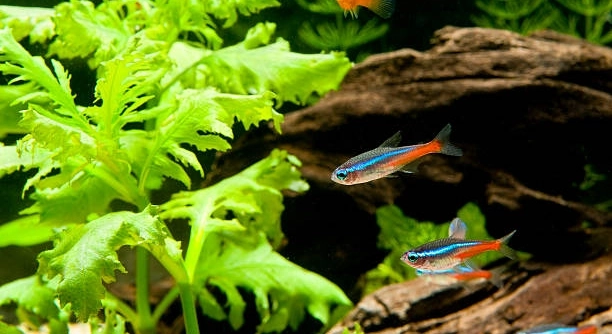
Many aquarium enthusiasts enjoy keeping vibrant tetra fish that brighten up their tanks. Maintaining their beautiful colors can sometimes be challenging, especially if diet and environment are not ideal. Proper nutrition plays a key role in enhancing their natural hues.
The best way to boost tetra color naturally is through a diet rich in specific foods containing carotenoids, vitamins, and minerals. These nutrients support pigmentation and overall health, helping tetras display their brightest and most vivid colors in a sustainable manner.
Knowing which foods promote better coloration will help you care for your fish effectively and keep your aquarium looking lively and healthy.
Foods Rich in Carotenoids
Carotenoids are natural pigments that help enhance the red, orange, and yellow colors in tetras. Foods like shrimp, krill, and certain types of algae are great sources. Including these in your tetra’s diet encourages their colors to become brighter and more vivid. Carotenoids also support overall fish health by acting as antioxidants, which help reduce stress and improve immune function. Feeding a variety of these foods ensures your tetras get enough pigments to maintain their natural beauty. Regularly offering high-quality flakes or pellets enriched with carotenoids can be a convenient way to support coloration. Live or frozen options like brine shrimp add nutrition and variety. It’s important to balance these colorful foods with others that provide proteins and vitamins to keep your fish healthy in all ways. Keeping a varied diet prevents color fading and promotes longevity.
Carotenoid-rich foods directly improve pigment production and maintain vibrant tetra colors over time.
Adding these pigments through diet is a simple, effective method to enhance your tetra’s appearance naturally and safely.
Protein Sources for Healthy Color
Protein plays a major role in overall fish health, which affects their coloration. High-quality protein sources like bloodworms, daphnia, and tubifex worms supply essential amino acids. These proteins support muscle development, energy, and skin health, which help tetras maintain strong, bright colors. Feeding protein-rich food regularly ensures that fish do not lose color due to poor nutrition or stress. Avoid overfeeding to prevent water quality issues that can also dull coloration. While live foods provide excellent nutrition, freeze-dried or frozen options are practical and just as beneficial. Balanced protein intake helps fish recover from illness or molting, allowing colors to return faster. Combining protein with carotenoid-rich foods supports both pigment production and general vitality, creating the best conditions for your tetras to show off their natural hues.
A good protein diet supports strong colors by keeping your tetra’s body healthy and resilient.
Proper feeding habits maintain water quality and prevent color loss caused by environmental stress.
Vitamins and Minerals
Vitamins and minerals are essential for color development in tetras. They help support skin health and overall vitality. Foods rich in vitamin C and E are especially important.
Vitamin C helps reduce stress and supports the immune system, which in turn helps maintain bright colors. Many tropical fish flakes and pellets are fortified with these vitamins. Natural sources like spirulina and kale also provide vitamins and minerals that enhance pigmentation. A well-balanced diet including these nutrients keeps your tetras healthy and their colors vibrant.
Minerals like zinc and iron aid in cellular functions, which are crucial for color formation. These can be found in small amounts in live or frozen foods such as bloodworms and daphnia. Ensuring your fish receive enough vitamins and minerals supports their natural coloration and overall well-being.
The Role of Live Foods
Live foods stimulate natural hunting behavior and provide excellent nutrition. This leads to healthier fish with brighter colors. Common live foods include brine shrimp and mosquito larvae.
Live foods contain essential nutrients and enzymes that improve digestion and nutrient absorption, which helps tetras maintain vibrant colors. Feeding live foods regularly encourages active and healthy fish, reducing stress-related color fading. It also adds variety to their diet, which is important for their mental and physical health. A mix of live and prepared foods offers the best balance for promoting vivid coloration in your aquarium.
Plant-Based Foods
Plant-based foods provide important nutrients and natural pigments that support tetra color. Ingredients like spirulina and spinach are common in fish diets.
These foods offer antioxidants and chlorophyll, which improve skin health and enhance vibrant colors. They are a great addition to a balanced diet.
Frozen Foods
Frozen foods preserve nutrients well and offer a convenient way to feed tetras high-quality nutrition. Options like frozen brine shrimp and bloodworms are popular choices.
Frozen foods retain most vitamins and proteins, which support healthy pigmentation and overall fish health. They also reduce the risk of introducing parasites or diseases compared to some live foods.
Color-Enhancing Flakes
Color-enhancing flakes are specially formulated with added pigments and vitamins to boost tetra coloration. They provide a simple way to support vibrant colors daily.
Choosing quality flakes ensures your fish get consistent nutrients necessary for maintaining bright and natural hues in a home aquarium.
How often should I feed my tetras color-boosting foods?
Feeding color-boosting foods should be done daily but in small amounts. Overfeeding can cause water quality problems, which may dull your tetras’ colors. Aim to offer a mix of pellets, flakes, and occasional live or frozen foods. This variety provides balanced nutrition without overloading the tank.
Small, frequent feedings help your fish digest better and absorb nutrients more efficiently. It’s best to feed only what they can eat in about two to three minutes. Removing leftover food prevents decay, keeping water clean and colors bright. Consistency in feeding habits plays a big role in maintaining vivid tetra colors over time.
Can I use only live foods to improve my tetra’s color?
While live foods are excellent for nutrition and stimulating natural behavior, relying on them alone is not ideal. Live foods provide vital proteins and nutrients, but they might lack certain vitamins and minerals that flakes or pellets contain. A mixed diet is the best way to cover all nutritional needs.
Live foods like brine shrimp and daphnia help boost coloration and keep your tetras active. However, pairing these with fortified flakes or pellets ensures your fish get all essential nutrients, including carotenoids and vitamins. This combination supports both health and vibrant coloration more effectively than live foods alone.
What are the risks of feeding too many color-enhancing supplements?
Feeding too many supplements can lead to nutritional imbalances or poor water quality. Excessive carotenoids or vitamins may accumulate and cause health issues or stress in fish. Over-supplementing doesn’t guarantee better colors and might harm your tetras instead.
Balanced feeding is key to safe supplementation. Stick to recommended doses found on product labels and vary the diet with natural foods. Monitoring your tank’s water parameters regularly also helps avoid problems caused by leftover supplements or uneaten food. Healthy fish with proper nutrition show the best natural colors.
Are there any plant-based foods that tetras might reject?
Some tetras may not accept certain plant-based foods right away, especially if they are used to mostly meat-based diets. Spirulina and blanched vegetables like spinach or zucchini are often accepted but introducing them slowly helps. Mixing small amounts with preferred foods encourages acceptance.
Fish taste preferences vary, so patience is important. If your tetras reject some plant foods initially, try offering them in different forms such as flakes, powders, or finely chopped fresh vegetables. Over time, they usually adapt to a more varied diet that benefits their color and health.
How long does it take to see color improvement from dietary changes?
Color improvement typically takes a few weeks, depending on the fish’s age, health, and environment. Younger or stressed tetras might show faster results once their nutrition improves. Older fish may take longer but can still benefit from better diets.
Consistent feeding of color-enhancing foods combined with good water quality and low stress is essential. Keep observing your fish and avoid sudden diet changes. Gradual improvements in brightness and intensity often become noticeable after three to six weeks. Patience and proper care will yield the best long-term results.
Can poor water quality affect my tetra’s color despite a good diet?
Yes, poor water quality can greatly affect your tetra’s coloration. Stress from high ammonia, nitrites, or nitrates can dull colors even if the diet is excellent. Clean, well-maintained water is necessary to allow fish to display their natural brightness.
Regular water changes and proper filtration keep toxins low, reducing stress on your fish. Maintaining stable temperature and pH also helps support health and color expression. Nutrition and environment work together; one without the other won’t fully bring out your tetra’s vibrant hues.
Are there any foods I should avoid to keep my tetras’ colors bright?
Avoid feeding tetras foods that are low in nutrients or poor in quality, such as cheap flakes with fillers or expired products. These can lead to poor health and faded coloration. Also, avoid overfeeding starchy or fatty foods that might pollute the tank.
Stay clear of foods that cause digestive issues or are not designed for tropical fish. Feeding fresh, high-quality ingredients and balanced commercial diets promotes strong colors. Always check ingredient lists and freshness when selecting foods for your tetras.
Is it necessary to supplement with artificial color enhancers?
Artificial color enhancers are not necessary if your tetras receive a balanced diet rich in natural pigments and nutrients. While these products can boost color temporarily, long-term reliance may cause health problems or mask underlying issues like poor diet or water conditions.
Natural foods combined with good care produce sustainable, healthy coloration. Use color enhancers sparingly, only as a short-term aid if needed. Focus on diet variety, water quality, and tank environment for the best and safest results.
When it comes to keeping your tetras looking their best, diet plays a major role. Providing a variety of foods rich in carotenoids, proteins, vitamins, and minerals helps boost their natural colors. Including live, frozen, and plant-based foods ensures that your fish get all the nutrients they need for strong, healthy pigmentation. A balanced diet not only enhances their colors but also supports their overall well-being, making them more active and resilient.
Maintaining good water quality is just as important as feeding the right foods. Clean water reduces stress and helps your fish show off their brightest colors. Overfeeding or feeding poor-quality food can harm water conditions, which in turn dulls your tetras’ appearance. Regular tank maintenance, along with careful feeding practices, creates an environment where your fish can thrive. Remember, nutrition and environment work hand in hand to keep your tetras vibrant and healthy.
Consistency is key when caring for colorful fish like tetras. It may take several weeks to notice improvements in color after changing your feeding routine or tank setup. Patience and attention to detail will pay off in the long run. Watching your tetras grow more vivid and lively over time is a rewarding part of aquarium care. By providing the right foods and keeping their environment clean, you help your fish display their natural beauty every day.

Hello,
If you enjoy the content that we create, please consider saying a "Thank You!" by leaving a tip.
Every little bit helps us continue crafting quality advice that supports the health, happiness, and well-being of pets around the world, for pets of all shapes, sizes, and species.
We really appreciate the kindness and support that you show us!