
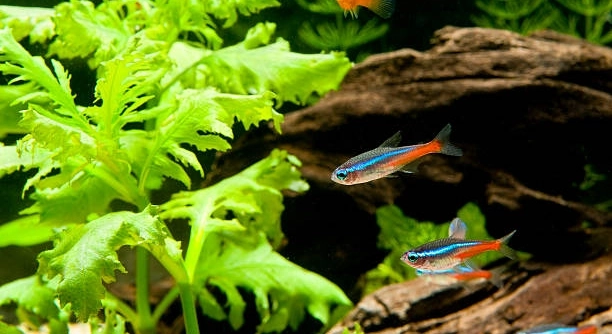
Tetras are popular small fish that many enjoy keeping in home aquariums. Their bright colors and active swimming make them a favorite among fish lovers. Taking good care of them can help them live longer and healthier lives.
Improving a tetra’s lifespan involves maintaining clean water, providing a balanced diet, ensuring proper tank conditions, avoiding overcrowding, reducing stress, monitoring health regularly, and offering a stable environment. These factors collectively support the fish’s well-being and longevity.
Knowing how to care for tetras properly will help you create a better home for them. The following tips focus on practical ways to support their health and extend their lifespan.
Keep the Water Clean and Stable
Maintaining clean water is one of the most important things for your tetra’s health. Regular water changes help remove waste and harmful chemicals. Using a good filter keeps the water clear and oxygen-rich. It’s important to test the water often to check for ammonia, nitrites, and nitrates, which can be toxic to fish. Keeping the water temperature stable, usually between 72°F and 80°F, also helps tetras feel comfortable. Sudden changes in temperature or water quality can stress your fish and shorten their lifespan. Consistency is key to a healthy aquarium environment. Cleaning the tank every week and replacing about 20-25% of the water helps maintain balance. Using water conditioner to remove chlorine and chloramine is essential when adding tap water. Remember, the cleaner and more stable the water, the better your tetras will thrive.
Regular water checks and changes can prevent many health issues in tetras.
Keeping a steady routine for water care reduces stress and keeps the fish healthy longer.
Provide a Balanced and Nutritious Diet
Feeding your tetras a varied diet supports their immune system and overall health. High-quality flakes or pellets designed for tropical fish should be the main part of their diet. Supplementing with frozen or live foods like brine shrimp or daphnia adds extra nutrients and helps mimic their natural eating habits. Avoid overfeeding, as leftover food can pollute the tank and harm water quality. Feed small amounts once or twice daily, enough that your fish can eat within a few minutes. A balanced diet helps maintain their vibrant colors and energy levels. Over time, poor nutrition can weaken tetras, making them more vulnerable to disease. Offering variety and moderation keeps your fish healthy and happy.
Fish need a diet that matches their natural needs for better growth and longevity.
Feeding routines should be consistent but flexible enough to provide all necessary nutrients.
Variety in food types prevents dietary deficiencies and keeps tetras interested in eating.
Avoid feeding foods that are too large or unsuitable, as this can cause digestive problems.
Monitor your fish during feeding times to ensure all tetras get enough food without leftovers.
By focusing on nutrition, you create a strong foundation for your tetras’ health and lifespan.
Avoid Overcrowding the Tank
Overcrowding stresses tetras and lowers water quality. Each tetra needs enough space to swim freely. A general rule is one gallon of water per inch of fish to keep the tank balanced.
When a tank is overcrowded, waste builds up faster than the filter can handle. This leads to toxic water conditions that harm your fish. Tetras also become stressed when they compete for space and food, which weakens their immune systems. Providing adequate space helps maintain water quality and reduces aggressive behavior. Overcrowding can cause stunted growth and shorten the lifespan of your fish. Monitoring the number of fish and tank size is essential for their well-being.
Choosing the right tank size and limiting the number of fish creates a calm environment. Fish can swim comfortably, and filtration systems work more efficiently. Regularly assess your tank’s capacity to avoid problems and ensure your tetras stay healthy.
Monitor Health Regularly
Watching your tetras daily allows you to spot illness early. Look for changes in behavior, appetite, or appearance. Early detection can prevent serious health issues.
Common signs of illness include faded colors, clamped fins, or unusual swimming patterns. If you notice any of these, check water quality first, as poor conditions often cause stress or sickness. Quarantine any new or sick fish to stop disease spread. Regular health checks help you act quickly, which can save your fish from long-term problems. Keeping an eye on their condition lets you adjust care and maintain a healthy aquarium. Early treatment and good prevention are key to longer tetra lifespans.
Reduce Stress in the Tank
Stress weakens tetras and lowers their resistance to disease. Keeping a calm environment helps them stay healthy and active.
Avoid sudden changes in water temperature or lighting. Too much noise or frequent disturbances can also stress your fish. A stable environment supports their well-being.
Maintain Proper Tank Conditions
Stable water temperature, pH, and hardness are vital for tetra health. Most tetras prefer temperatures between 72°F and 80°F and a pH around 6.5 to 7.5. Sudden shifts can cause shock or illness. Using a reliable heater and thermometer helps maintain consistent conditions. Testing water regularly ensures the chemical balance stays within safe limits. Soft to moderately hard water is best for most tetras. Keeping these factors stable reduces stress and supports their immune systems. Proper tank conditions create a healthy space where tetras can thrive and live longer.
Provide a Stable Environment
Consistency in lighting, feeding, and cleaning routines keeps your tetras comfortable. Predictability reduces stress and promotes longevity.
FAQ
How often should I change the water in my tetra tank?
Changing about 20-25% of the water every week is a good practice. This helps remove waste and keeps water parameters stable. Avoid changing too much water at once, as sudden changes can stress your fish. Using a water conditioner during each change protects them from harmful chemicals.
What is the ideal tank size for tetras?
A tank of at least 10 gallons is recommended for a small school of tetras. Each fish needs about one gallon of water per inch of body length. This space allows them to swim freely and helps keep the water clean and well-oxygenated.
Can I keep different types of tetras together?
Yes, many tetra species can live together peacefully if the tank is large enough and water conditions suit all species. Avoid mixing very aggressive species or those with very different care needs. Always research compatibility before adding new fish.
What should I feed my tetras?
A varied diet is best. Use high-quality flakes or pellets made for tropical fish as a base. Supplement with frozen or live foods like brine shrimp, daphnia, or bloodworms. Feeding small amounts once or twice a day prevents overfeeding and water pollution.
How do I know if my tetras are stressed?
Signs of stress include hiding, loss of appetite, faded colors, and unusual swimming patterns like darting or staying near the surface. Stress often comes from poor water quality, overcrowding, or sudden changes. Addressing these issues quickly helps your fish recover.
What is the best temperature range for tetras?
Most tetras do well between 72°F and 80°F. Keep the temperature stable to avoid stress. Use a heater with a thermostat and check temperature regularly to maintain a consistent environment.
Why is my tetra’s color fading?
Fading colors can indicate stress, poor water quality, or illness. It may also result from a lack of proper nutrition. Improving water conditions and providing a balanced diet usually helps restore their vibrant colors.
How many tetras should I keep together?
Tetras are schooling fish and feel safest in groups of at least six. Keeping fewer than six can cause stress and shy behavior. Larger groups promote natural social interaction and reduce aggression.
Can I use tap water in my tetra tank?
Tap water can be used if treated properly. Always use a water conditioner to remove chlorine and chloramine before adding water to the tank. Testing water parameters regularly ensures it remains safe for your fish.
How often should I clean the filter?
Clean your filter every 3 to 4 weeks to maintain good water flow. Rinse filter media in tank water during water changes to avoid killing beneficial bacteria. Never use tap water to clean the filter, as chlorine can harm these bacteria.
What should I do if a tetra looks sick?
Isolate the sick fish in a separate tank to prevent spreading disease. Check water quality in the main tank and treat the illness with appropriate medication. Early treatment improves chances of recovery.
Can tetras live without a heater?
Some tetra species tolerate room temperature if it stays within their ideal range. However, most tetras do better with a stable temperature provided by a heater, especially in cooler climates or during winter.
How can I prevent diseases in my tetra tank?
Regular water changes, proper feeding, avoiding overcrowding, and monitoring water quality are key to disease prevention. Quarantine new fish before adding them to the main tank. Clean equipment regularly and remove uneaten food promptly.
Is it necessary to add plants in a tetra tank?
Live plants improve water quality by absorbing nitrates and provide hiding places for tetras. They also create a natural environment, reducing stress. While not required, plants are beneficial for a healthy tank.
Why do my tetras swim near the surface?
Swimming near the surface can mean low oxygen levels or poor water quality. Check your filtration and aeration systems. Surface swimming may also indicate illness or stress, so observe for other symptoms.
These common questions cover important aspects of tetra care. Keeping these answers in mind helps maintain a healthy and long-lasting environment for your fish.
Taking good care of tetras can make a big difference in how long they live and how healthy they stay. These small fish need a clean, stable environment with proper water conditions to thrive. Regular water changes, good filtration, and careful monitoring of water quality are key parts of their care. When the water is well maintained, tetras can swim actively and avoid many common health problems. Keeping the tank clean also reduces stress, which is very important for their well-being.
Feeding tetras a balanced diet helps keep their colors bright and their bodies strong. It is best to provide a variety of foods, including flakes, pellets, and occasional live or frozen treats. Overfeeding should be avoided because leftover food can pollute the water and cause issues. Feeding small amounts once or twice a day is enough. A healthy diet supports their immune system and helps them fight off illnesses. It also encourages natural behaviors and keeps the fish interested in their food.
Providing enough space in the tank and avoiding overcrowding helps reduce competition and stress among the fish. Tetras are schooling fish, so they do better in groups of six or more. This social interaction makes them feel safe and active. Keeping the tank temperature steady and matching their natural habitat conditions also supports their health. Watching the fish regularly helps spot any early signs of illness or stress so that problems can be fixed quickly. Following these simple care steps will help your tetras live longer and be happier in their home.

Hello,
If you enjoy the content that we create, please consider saying a "Thank You!" by leaving a tip.
Every little bit helps us continue crafting quality advice that supports the health, happiness, and well-being of pets around the world, for pets of all shapes, sizes, and species.
We really appreciate the kindness and support that you show us!