
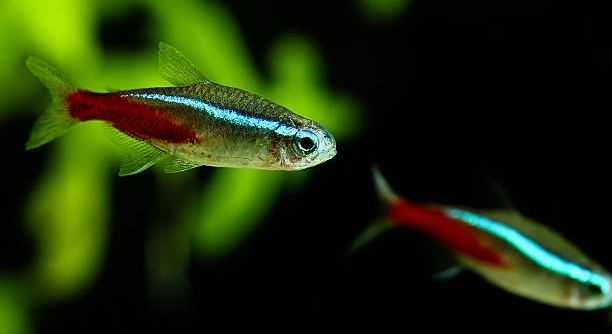
Schools with tetra fish often face challenges that affect the health and well-being of their aquatic students. When a tetra school struggles, it can be stressful for both the fish and their caretakers. Knowing how to support them is important to keep the school thriving.
Saving a struggling tetra school requires prompt action focused on water quality, proper feeding, tank maintenance, and monitoring fish health. Addressing these key factors can stabilize the environment and improve the overall condition of the school.
Taking the right steps early can make a big difference in restoring balance. This guide will offer practical actions to help your tetra school regain its strength and vitality.
Check and Improve Water Quality
Maintaining clean water is essential for a healthy tetra school. Poor water quality stresses fish and can lead to illness or death. Regularly test water parameters like ammonia, nitrite, nitrate, and pH using simple test kits. Ammonia and nitrite levels should always be at zero, while nitrate should stay below 20 ppm. Frequent partial water changes help reduce harmful chemicals and waste buildup. Changing about 20-30% of the water weekly keeps the environment stable. Avoid sudden temperature changes during water changes, as tetras are sensitive to shifts. Also, make sure the water temperature stays between 72°F and 78°F, which is ideal for most tetra species. Using a good water conditioner removes chlorine and chloramine from tap water, making it safe for the fish. Proper filtration and aeration support water quality by removing debris and increasing oxygen levels. Regular tank cleaning without disturbing the beneficial bacteria is crucial to keep the ecosystem balanced and the fish healthy.
Regular water testing and partial water changes are vital to prevent toxins from harming your tetras.
Water quality forms the foundation of a thriving tetra school. When parameters are off, fish lose their natural resistance to disease. Even small imbalances can cause stress, making tetras more vulnerable to infections. By keeping water clean and stable, you ensure the fish stay active and vibrant. A well-maintained filter helps break down waste efficiently. Be cautious not to clean the filter media too thoroughly, or you might kill the helpful bacteria that process harmful substances. Using gravel vacuuming tools during water changes removes uneaten food and debris, reducing the chance of toxic buildup. Finally, avoid overcrowding the tank, as more fish produce more waste, which can overwhelm the filtration system and lower water quality. By following these steps, you create a safe habitat where your tetra school can grow and flourish with fewer health issues.
Feed a Balanced Diet
Tetras need a varied and nutritious diet for good health. Feeding them only one type of food can cause nutritional gaps and weaken their immune system.
Offering a mix of high-quality flakes, frozen or live foods like brine shrimp and bloodworms ensures they get all essential nutrients. Feed small amounts two to three times a day to avoid leftover food that can pollute the water. Rotate food types regularly to keep the fish interested and healthy. Avoid overfeeding, as excess food can cause water problems and make fish prone to disease. Watching their eating habits helps detect early signs of illness. Healthy tetras usually eat eagerly and show bright colors. Proper nutrition supports their growth, reproduction, and natural behavior, leading to a stronger and more active school overall.
Monitor Fish Behavior and Health
Tetras show signs when something is wrong. Changes in swimming, color, or appetite indicate stress or illness.
Watch for sluggishness, hiding, or clamped fins. These behaviors often signal poor water quality or disease. Early detection helps prevent serious problems and allows timely treatment. Quarantine new fish to avoid introducing infections. Regular observation keeps the school healthy and balanced.
If a fish looks pale, has spots, or frayed fins, isolate it immediately. Treat common diseases like ich or fin rot quickly using appropriate medication. Maintaining clean water and good nutrition supports recovery and prevents future outbreaks.
Maintain Proper Tank Conditions
Tetras thrive in stable, well-maintained tanks. Keep temperature, pH, and lighting consistent to reduce stress.
Avoid sudden changes in temperature or water chemistry. Use a reliable heater and thermometer to maintain 72°F to 78°F. The ideal pH range is slightly acidic to neutral, around 6.0 to 7.5. Proper lighting helps regulate their day-night cycle but avoid overly bright lights that can cause stress. Adding plants and hiding spots provides shelter and comfort, mimicking their natural habitat. Regularly clean the tank glass, substrate, and decorations to remove algae and waste. Good tank conditions encourage natural behavior and boost the overall health of the tetra school.
Avoid Overcrowding
Too many tetras in one tank causes stress and poor water quality. Overcrowding limits swimming space and increases waste buildup, making it hard to maintain a healthy environment.
A good rule is one inch of fish per gallon of water. This helps keep the school comfortable and the tank easier to manage.
Regular Tank Maintenance
Consistent cleaning is key to a healthy tetra school. Remove uneaten food, clean the substrate, and check the filter regularly. Avoid harsh cleaning that disrupts beneficial bacteria. Partial water changes once a week help maintain water quality and remove toxins. This steady care keeps the tank stable and fish thriving.
Quarantine New Fish
New additions can bring diseases. Isolate new tetras in a separate tank for two weeks before introducing them. This protects the existing school from potential infections and gives new fish time to adjust safely.
Use Quality Equipment
Using reliable filters, heaters, and test kits ensures a stable environment. Proper equipment supports water quality and fish health, making it easier to manage the tank.
FAQ
How often should I change the water in a tetra tank?
Changing about 20-30% of the water once a week is usually enough. This keeps harmful chemicals low and removes waste without shocking the fish. If the tank is crowded or water tests show poor quality, more frequent changes may be needed. Always use dechlorinated water at the same temperature to avoid stressing your tetras.
What signs show that my tetras are sick?
Look for changes in behavior or appearance. Sick tetras may swim erratically, hide more often, lose color, or stop eating. Physical signs include clamped fins, white spots, redness, or torn fins. Early detection helps prevent spreading disease to the whole school.
Can I keep different types of tetras together?
Yes, many tetra species get along well if the tank is large enough and conditions suit all species. Avoid mixing aggressive species or those with very different water needs. Always research compatibility to keep peace in the tank.
What is the ideal tank size for a tetra school?
A minimum of 20 gallons is recommended for a small school of 6 to 10 tetras. Larger tanks provide better stability and swimming space. Overcrowding stresses fish and harms water quality.
How do I prevent algae growth in my tank?
Control lighting by limiting it to 8-10 hours a day. Avoid overfeeding since leftover food promotes algae. Regular cleaning and water changes help keep algae under control. Adding live plants can also compete with algae for nutrients.
What should I feed my tetras?
Offer a varied diet with high-quality flakes, frozen or live foods like brine shrimp and bloodworms. Feeding small amounts two to three times daily prevents overfeeding and keeps fish healthy. Rotate food types to provide balanced nutrition.
Why are my tetras hiding all the time?
Hiding often means they feel stressed or threatened. Check water quality, temperature, and tank mates. Providing plants or decorations gives safe spaces, which helps reduce stress and encourages natural behavior.
Is it necessary to quarantine new fish?
Quarantine protects your current fish from possible diseases carried by new ones. Keep new fish isolated for two weeks, monitoring their health before adding them to the main tank.
How can I tell if my filter is working properly?
Check for steady water flow and clear water. If the water is cloudy or smells bad, the filter might need cleaning or replacement. Regular maintenance ensures the filter removes waste efficiently.
What temperature is best for tetras?
Most tetras do well between 72°F and 78°F. Keeping a stable temperature prevents stress and supports their immune system.
Can I keep tetras with other fish?
Tetras are peaceful and can live with other non-aggressive fish that prefer similar water conditions. Avoid large or aggressive species that may harm them.
How often should I clean the tank decorations and gravel?
Clean decorations and gravel during regular water changes using gentle methods to avoid disturbing beneficial bacteria. Avoid harsh chemicals, which can harm your fish.
What causes fin rot and how do I treat it?
Fin rot often comes from poor water conditions or injury. Improve water quality and use medication designed for bacterial infections. Isolate affected fish if needed to prevent spreading.
Can stress cause health problems in tetras?
Yes, stress weakens their immune system and can lead to illness. Causes include poor water quality, overcrowding, sudden changes, and aggressive tank mates.
How do I introduce new fish to the tank?
After quarantine, slowly acclimate new fish by floating their bag in the tank and gradually mixing tank water into the bag over an hour. This reduces shock from water differences. Then gently release the fish into the tank.
This FAQ covers key points to help maintain a healthy tetra school. Following these answers supports their well-being and keeps the tank balanced.
Final Thoughts
Taking care of a struggling tetra school takes attention and patience. The key is to keep their environment clean, stable, and suited to their needs. Regular water testing and partial water changes help maintain good water quality, which is the foundation of their health. Small changes like checking temperature and pH, feeding a balanced diet, and avoiding overcrowding go a long way. Each step supports the fish’s natural ability to stay healthy and strong. It’s important to notice changes in their behavior or appearance early so problems can be addressed quickly. This reduces stress on the fish and lowers the chance of disease spreading.
Being consistent with tank maintenance and observing your tetra school closely is essential. Cleaning the tank gently and keeping the filter working properly protects the beneficial bacteria that keep the water safe. Providing hiding places and a comfortable space mimics their natural habitat, which helps reduce stress. Feeding a variety of quality foods ensures they get the nutrients they need to stay active and vibrant. Quarantining new fish before adding them protects the whole school from infections. Over time, these good habits create a balanced and healthy tank environment that your tetras can thrive in.
While it may seem like a lot to manage, caring for a tetra school becomes easier with routine and knowledge. Each action works together to create a safe home for your fish. With patience and care, you can help a struggling tetra school recover and flourish. Remember that every tank is different, so observing your fish and adjusting care based on their needs is important. The rewards of seeing your tetras swim happily and grow healthy make the effort worthwhile. Keeping a tetra school healthy is a simple process when approached step by step.

Hello,
If you enjoy the content that we create, please consider saying a "Thank You!" by leaving a tip.
Every little bit helps us continue crafting quality advice that supports the health, happiness, and well-being of pets around the world, for pets of all shapes, sizes, and species.
We really appreciate the kindness and support that you show us!