
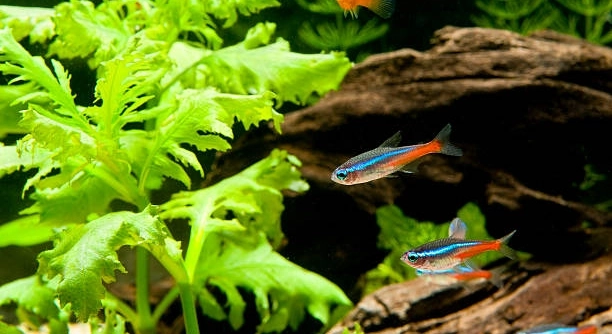
Are your tetra fish breathing heavily at the bottom of their tank? This can be worrying, especially when you want your aquarium to be a healthy environment. Understanding what causes this behavior is important for their care.
Heavy breathing near the tank bottom often indicates low oxygen levels or poor water quality. Fish use more effort to breathe when oxygen is scarce, and toxins in the water can also stress them, leading to labored gill movement and lethargy.
Recognizing the reasons behind this behavior will help you maintain a healthier tank and keep your tetras comfortable and active.
Common Causes of Heavy Breathing in Tetras
Heavy breathing in tetras is usually linked to their environment. Poor water quality is one of the main reasons fish struggle to breathe. Ammonia, nitrite, and nitrate levels that are too high can irritate their gills and make breathing difficult. Low oxygen levels also cause fish to gasp for air at the tank’s bottom where water movement is often slower. Sometimes, overcrowding in the tank limits oxygen availability. Additionally, temperature plays a role; warmer water holds less oxygen. If the water is too warm, your tetras may show signs of stress, including heavy breathing. It’s important to regularly test the water and make adjustments when needed. Regular water changes, a good filter, and proper aeration can help keep oxygen levels stable. Fish affected by disease or parasites might also breathe heavily, so watch for other signs like discoloration or unusual swimming behavior.
Maintaining clean, well-oxygenated water is key to healthy tetra breathing.
Water temperature affects oxygen levels in the tank significantly. Warm water holds less oxygen, so tetras may struggle more in higher temperatures. Keeping your aquarium between 72 and 78 degrees Fahrenheit helps keep oxygen available and reduces breathing stress. If you notice heavy breathing, checking the temperature is a simple first step. Avoid sudden temperature changes, which can shock fish and worsen their breathing problems. Using an aquarium heater with a thermostat ensures consistent temperature control. Proper circulation and aeration devices also improve oxygen distribution, reducing spots where fish might have difficulty breathing.
How to Improve Your Tetra’s Breathing
Heavy breathing signals that changes are needed in your tank’s setup. Start by testing water parameters with a kit designed for aquarium use. If ammonia, nitrites, or nitrates are high, perform a partial water change of about 25%. Over time, regular weekly changes prevent buildup and keep water clean. Check that your filter is working properly and clean it when necessary, but avoid over-cleaning beneficial bacteria. Adding an air stone or increasing surface agitation can help oxygenate the water, making it easier for tetras to breathe. If the tank is overcrowded, consider moving some fish to reduce stress. In cases where illness is suspected, isolating the affected fish and consulting a vet or fish expert is wise. Proper feeding is also important; overfeeding pollutes the tank and worsens water quality.
Small adjustments often lead to big improvements in your tetra’s health and comfort.
Signs of Stress in Tetras
Heavy breathing often comes with other signs of stress in tetras. These can include hiding more than usual, loss of appetite, or erratic swimming. Watching your fish closely can help you catch problems early and act quickly.
Stress weakens a tetra’s immune system, making it more vulnerable to illness. They may develop faded colors or small white spots, which can be signs of infection or parasites. Behavior changes, like staying near the bottom or gasping at the surface, also indicate trouble. Sometimes, tetras rub against decorations or the tank glass to relieve irritation. Identifying these symptoms early lets you improve water conditions or treat diseases faster. Stress often results from poor water quality, sudden changes in environment, or bullying from other fish.
Stress can affect your tetra’s lifespan, so it’s important to keep their environment stable and comfortable.
Preventing Breathing Problems in Tetras
Avoiding breathing problems starts with good tank maintenance. Regular water testing and changes keep ammonia and other harmful chemicals low. Proper filtration and aeration ensure enough oxygen for your fish to breathe easily.
Choosing compatible tank mates and avoiding overcrowding also reduces stress and competition for oxygen. Feeding your tetras the right amount prevents leftover food from polluting the water. Keeping the temperature steady between 72 and 78 degrees Fahrenheit supports healthy oxygen levels. It’s helpful to observe your fish daily for any changes in behavior or appearance. Promptly addressing water quality or health issues protects your tetras from prolonged stress and breathing difficulties. These simple steps create a balanced environment where your tetras can thrive.
Oxygen Levels and Water Movement
Oxygen levels in the tank can drop quickly if water movement is poor. Fish rely on surface agitation to absorb oxygen. Without it, the bottom of the tank may have less oxygen, causing tetras to breathe heavily there.
A well-functioning filter or air stone helps circulate water and increase oxygen. This keeps the entire tank environment healthy and comfortable for your fish.
Disease and Parasites Impact on Breathing
Illnesses like gill flukes or bacterial infections cause heavy breathing in tetras. These conditions irritate the gills, making it hard for fish to take in oxygen. Treating diseases early prevents further damage and helps fish recover faster.
Tank Overcrowding Effects
Too many fish in one tank lowers oxygen availability and increases waste buildup. This can stress tetras and cause breathing difficulties. Maintaining appropriate tank size and population helps keep your fish healthy and comfortable.
Why is my tetra breathing heavily but otherwise acting normal?
Sometimes, tetras breathe heavily due to mild stress from slight changes in water conditions, like temperature shifts or temporary low oxygen. If the water quality is good and the fish is eating and swimming normally, it may just need some time to adjust. However, keeping a close eye on water parameters and fish behavior is important to catch any developing problems early.
Can poor water quality cause heavy breathing in tetras?
Yes, poor water quality is a common cause. High levels of ammonia, nitrites, or nitrates irritate the gills and reduce oxygen uptake. This forces fish to breathe harder. Regular testing and water changes help prevent toxic buildup. Cleaning the tank and filter properly also keeps the environment safe and comfortable.
How does water temperature affect my tetra’s breathing?
Warmer water holds less oxygen, so tetras may breathe heavily if the tank temperature rises above their ideal range of 72 to 78 degrees Fahrenheit. Sudden temperature changes can also stress fish. Using a heater with a thermostat and monitoring temperature regularly keeps conditions stable and supports healthy breathing.
Could tank overcrowding be the reason for heavy breathing?
Yes. Overcrowding reduces oxygen availability and increases waste. Fish compete for limited resources, causing stress and breathing problems. Ensuring enough space per fish and having a properly sized tank helps maintain good oxygen levels and reduces stress among tetras.
Is heavy breathing a sign of disease in tetras?
It can be. Diseases like gill flukes, bacterial infections, or parasites can damage gills and make breathing difficult. Other signs may include lethargy, discoloration, or loss of appetite. If heavy breathing is accompanied by these symptoms, prompt treatment is necessary to prevent serious health issues.
What can I do to increase oxygen in my tetra tank?
Improving aeration with air stones, increasing surface agitation using filters or powerheads, and performing regular water changes help raise oxygen levels. Avoid overcrowding and keep the water temperature steady. These steps ensure your tetras have enough oxygen to breathe easily.
How often should I test my aquarium water?
Testing water weekly is a good routine to catch problems early. Check for ammonia, nitrites, nitrates, and pH levels. More frequent testing might be needed after adding new fish or when signs of stress appear. Consistent monitoring helps maintain a healthy environment for your tetras.
Can overfeeding cause heavy breathing?
Indirectly, yes. Overfeeding leads to leftover food decomposing in the tank, raising harmful waste levels and lowering oxygen. This creates stress for your fish, causing heavy breathing. Feeding small amounts and removing uneaten food prevents water quality problems.
Is it normal for tetras to breathe near the surface sometimes?
Occasional surface breathing may happen if oxygen is low at the bottom, especially in warm water. If it becomes frequent, it signals poor oxygen levels or water issues that need addressing. Ensuring good aeration and water quality keeps breathing normal throughout the tank.
How long does it take for tetras to recover from heavy breathing caused by water issues?
Once water conditions improve, tetras usually show signs of recovery within a few hours to a couple of days. Continued good care and stable environment support faster healing. If breathing problems persist, further investigation or treatment may be needed.
Can stress from tank mates cause heavy breathing in tetras?
Yes. Aggressive or territorial fish can stress tetras, leading to heavy breathing and hiding behavior. Choosing peaceful tank mates and providing hiding spots reduces stress and helps tetras breathe more easily.
Are there any quick fixes if my tetras start breathing heavily?
Performing a partial water change and increasing aeration immediately can help ease breathing difficulties. Check temperature and water parameters right away. These actions improve the environment while you identify and address the root cause.
When should I consider consulting a vet or fish specialist?
If heavy breathing continues despite good water quality and proper care, or if other symptoms like visible illness appear, seeking expert advice is important. A vet or specialist can diagnose diseases and recommend treatments that improve your fish’s health.
Can tank plants help with oxygen levels for tetras?
Live plants produce oxygen during the day and improve water quality by absorbing nitrates. They can support better breathing conditions. However, plants consume oxygen at night, so aeration remains essential, especially in densely planted tanks.
Is it normal for young tetras to breathe heavily?
Young or newly introduced tetras might breathe heavily as they adjust to their new environment. This should improve within a few days with stable water conditions and proper care. Prolonged heavy breathing in young fish requires attention to water quality and health.
Heavy breathing in tetras is a clear sign that something in their environment needs attention. It often points to issues like low oxygen levels, poor water quality, or stress. Keeping a clean and well-maintained tank is the best way to prevent these problems. Regular water testing, proper filtration, and consistent temperature control all play important roles in keeping tetras healthy. When these factors are balanced, your fish will breathe easily and swim actively, showing signs of good health.
It’s important to remember that tetras are sensitive to changes in their environment. Sudden shifts in temperature or water chemistry can cause stress, which affects their breathing and overall well-being. Overcrowding and aggressive tank mates also contribute to stress, making it harder for tetras to get enough oxygen. Watching your fish daily helps you spot any signs of trouble early. If you notice heavy breathing, it’s a good idea to check water parameters and tank conditions right away. Quick action can often prevent more serious problems down the line.
Finally, diseases or parasites may cause breathing difficulties. If heavy breathing continues despite good water quality and tank care, or if you see other signs like unusual behavior or spots on the fish, it may be time to seek professional advice. Early treatment is important for recovery. By understanding these key points and maintaining a healthy tank, you can help your tetras live a longer, happier life. Good care makes a big difference in preventing breathing problems and keeping your aquarium a safe place for your fish.

Hello,
If you enjoy the content that we create, please consider saying a "Thank You!" by leaving a tip.
Every little bit helps us continue crafting quality advice that supports the health, happiness, and well-being of pets around the world, for pets of all shapes, sizes, and species.
We really appreciate the kindness and support that you show us!