
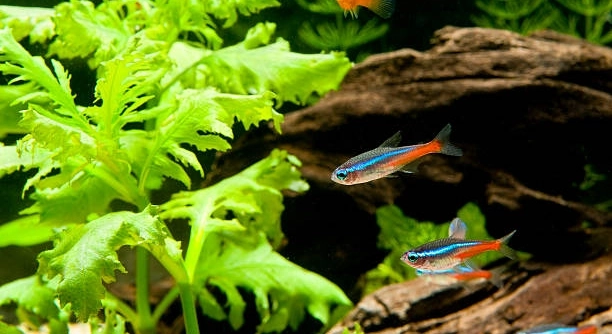
Tetras are popular aquarium fish known for their bright colors and active nature. Sometimes, these fish can become lethargic, causing concern for their owners. Understanding the reasons behind this behavior is important for their care and well-being.
Lethargic behavior in tetras can be caused by several factors, including poor water quality, improper diet, stress, illness, lack of oxygen, inadequate tank conditions, and temperature fluctuations. Identifying and addressing these causes is crucial for maintaining healthy and active fish.
Recognizing these causes will help you take the right steps to support your tetra’s health and keep your aquarium environment balanced and thriving.
Poor Water Quality
Poor water quality is one of the main reasons tetras become lethargic. When the water has high levels of ammonia, nitrites, or nitrates, it stresses the fish and affects their health. Dirty water can also cause infections or diseases, which reduce activity levels. Regular water changes and proper filtration are essential to keep the tank clean. Testing the water weekly helps catch problems early. It’s important to remove uneaten food and waste because these add harmful toxins. New tanks especially need careful monitoring since harmful bacteria might not be established yet. When water conditions improve, tetras usually regain their energy quickly.
Keeping the water clean helps prevent many health problems in tetras, allowing them to stay active and healthy in their environment.
Maintaining stable water conditions means controlling temperature, pH levels, and cleanliness. Tetras thrive in slightly acidic to neutral pH, around 6.5 to 7.5. Sudden changes can cause stress, making them less active. Consistent tank maintenance prevents toxin buildup and creates a safer space for your fish to swim and grow.
Improper Diet
Feeding tetras the wrong food or too little can lead to lethargy. These fish need a balanced diet with protein, vitamins, and minerals. A diet lacking essential nutrients weakens their immune system and energy levels. Overfeeding can also cause water pollution, which indirectly harms the fish. Using high-quality flakes or pellets designed for tetras, supplemented with occasional live or frozen foods like brine shrimp, is ideal. Feeding small amounts two to three times daily helps avoid leftovers and keeps your fish healthy. Adjust the quantity based on the number of fish and their size to prevent malnutrition or obesity.
A good diet supports your tetra’s natural behavior and keeps them lively.
Proper feeding encourages healthy growth and boosts their resistance to disease. Tetras are active swimmers and need enough energy to thrive. If they seem slow or uninterested, check if their diet meets all nutritional needs. Sometimes switching food brands or adding variety can improve their appetite. Ensuring fresh, balanced meals helps maintain their vitality and overall well-being.
Stress and Overcrowding
Stress and overcrowding cause tetras to become lethargic quickly. When there are too many fish in a tank, competition for space and food increases, leading to constant stress. This weakens their immune systems and reduces their activity.
Stress in tetras comes from sudden changes, aggressive tank mates, or poor environment. Overcrowded tanks limit swimming space and oxygen availability, which can exhaust the fish. Constant stress often leads to illness and dull colors. Providing hiding spots and maintaining a proper fish-to-tank size ratio can reduce stress. Usually, one inch of fish per gallon of water is a good guideline. Observing behavior regularly helps catch problems before they worsen.
Proper tank management involves balancing the number of fish with the size of the aquarium. Keeping peaceful species together and avoiding sudden changes supports a calm environment where tetras can thrive.
Illness and Disease
Illness and disease often cause lethargy in tetras. Common issues include bacterial infections, parasites, and fungal growth, all of which impact energy and health. Early detection is vital for effective treatment.
Signs of illness include faded colors, clamped fins, and slow movement. These symptoms indicate that the fish’s body is struggling to fight infection. Quarantining new fish before adding them to the main tank helps prevent the spread of disease. Using clean equipment and maintaining good water quality are essential to keep disease risks low.
Treating illnesses usually requires medication or water adjustments. Prompt action improves recovery chances and helps your tetras return to their lively selves.
Lack of Oxygen
Low oxygen levels make tetras sluggish and inactive. Without enough oxygen, their metabolism slows down, causing lethargy.
Oxygen drops when the tank is overcrowded, poorly aerated, or has warm water. Adding air stones or increasing water movement helps keep oxygen levels healthy for your fish.
Inadequate Tank Conditions
Tank conditions like size, decoration, and lighting impact tetra behavior. Small tanks limit movement and increase stress. Overly bright or dark lighting can disturb their natural rhythm. Proper hiding spots and gentle lighting help tetras feel secure and active.
Temperature Fluctuations
Tetras are sensitive to sudden temperature changes. Rapid shifts in water temperature can shock them, resulting in lethargy or illness. Keeping the tank temperature stable around 74–78°F helps maintain their energy and health.
FAQ
Why is my tetra suddenly very inactive?
A sudden drop in activity usually means something in the tank has changed. It could be poor water quality, temperature shifts, stress from new tank mates, or illness. Checking water parameters and observing for signs of disease helps identify the cause quickly. Treating problems early can bring your tetra back to normal energy levels.
How often should I clean my tetra tank?
Cleaning depends on tank size and fish load but generally every one to two weeks is good. Partial water changes (about 20-30%) keep toxins low and water fresh. Avoid cleaning everything at once to preserve beneficial bacteria that help break down waste. Regular cleaning creates a healthier environment and reduces lethargy.
Can overfeeding cause lethargy in tetras?
Yes, overfeeding is a common cause of sluggish behavior. Extra food decays in the tank, polluting the water and stressing the fish. Feeding small amounts twice a day, only what they can eat in a few minutes, prevents leftovers and keeps the water clean. A balanced diet also supports their energy and overall health.
What water parameters are best for tetras?
Tetras prefer slightly acidic to neutral water, with a pH around 6.5 to 7.5. Temperature should stay stable between 74°F and 78°F. Ammonia and nitrites must be at zero, and nitrates kept low (under 20 ppm). Regular testing ensures these levels stay safe, preventing stress and lethargy.
How can I tell if my tetra is sick?
Signs of sickness include faded colors, clamped fins, loss of appetite, gasping at the surface, or abnormal swimming. Lethargy combined with these symptoms often indicates infection or poor water conditions. Early recognition allows prompt treatment, improving chances for recovery.
Is it normal for tetras to rest a lot?
Tetras do rest but usually stay alert and swim regularly. Excessive resting or staying at the bottom or surface can signal problems like low oxygen, illness, or stress. Monitoring behavior daily helps spot changes that may need attention.
Can tank mates cause stress in tetras?
Yes, aggressive or very active fish can stress tetras, making them hide or become lethargic. Peaceful community fish are better companions. Providing hiding spots helps reduce stress when other fish are present. Observing interactions can guide adjustments in tank population.
What should I do if my tetra shows signs of disease?
Isolate the sick fish in a quarantine tank if possible. Test and improve water quality, and consider appropriate medications based on symptoms. Keeping the main tank clean and stable prevents spread and supports healing.
How important is tank size for tetras’ activity?
Tank size impacts how much room tetras have to swim and explore. Small tanks restrict movement, causing stress and inactivity. A minimum of 10 gallons is recommended for a small group. More space helps maintain their natural, active behavior.
Can temperature affect tetra behavior?
Yes, tetras are sensitive to temperature changes. Sudden drops or spikes can shock them, leading to lethargy or illness. Keeping a stable temperature within their preferred range helps maintain energy and overall health. Using a heater and thermometer ensures consistent conditions.
Final Thoughts
Taking care of tetras means paying close attention to their environment and health. Lethargic behavior is often a sign that something is off, whether it’s water quality, diet, stress, or illness. By regularly checking the tank conditions and observing your fish, you can catch problems early and help them stay active. Small changes like cleaning the tank, feeding the right food, and keeping the temperature steady can make a big difference in how your tetras behave. It’s important to remember that these fish rely on a balanced, stable environment to feel their best.
Keeping tetras healthy also means understanding their natural needs. They are small, delicate fish that thrive in clean, well-maintained tanks with proper water parameters. Stress and overcrowding can easily make them less active, so providing enough space and peaceful tank mates is essential. Watching for signs of illness and acting quickly can prevent many issues from becoming serious. A well-cared-for tetra will show its bright colors and swim actively, making your aquarium a lively and enjoyable space.
In the end, caring for tetras requires patience and consistency. Regular maintenance, proper feeding, and gentle handling are key to preventing lethargy and other problems. Every fish owner may face challenges, but learning about these causes and how to manage them helps create a better home for your fish. With attention and care, your tetras can live healthy, happy lives, bringing color and movement to your tank for years to come.

Hello,
If you enjoy the content that we create, please consider saying a "Thank You!" by leaving a tip.
Every little bit helps us continue crafting quality advice that supports the health, happiness, and well-being of pets around the world, for pets of all shapes, sizes, and species.
We really appreciate the kindness and support that you show us!