
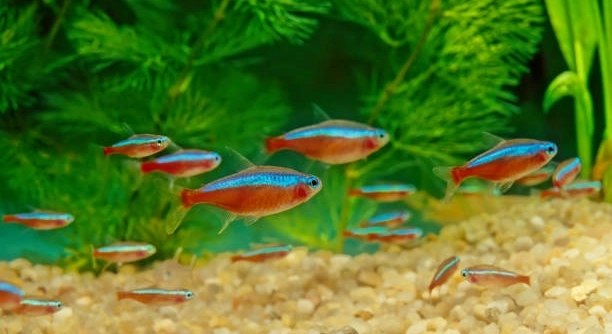
Many fish owners notice their tetras acting shy or timid during the daytime. This behavior can be puzzling, especially when these fish seem lively at night. Understanding why this happens helps create a better environment for them.
Tetras often act timid during the day due to their natural instincts and environmental factors. Bright light, lack of hiding spots, or sudden movements can cause stress, making them seek shelter and appear shy. Adjusting tank conditions can reduce this behavior.
Knowing more about these reasons will help improve your tetra’s comfort. Small changes in their habitat can make a big difference in how they behave during the day.
Understanding Tetra Behavior During Daylight
Tetras are naturally cautious fish, often preferring to stay hidden when they feel exposed. During the day, bright aquarium lights can make them uncomfortable, especially if there are no adequate hiding places. In their natural habitat, tetras swim in shaded waters and dense plants, which protect them from predators. Without similar shelter in a tank, they tend to act timid and stay close to the bottom or behind decorations. Sudden movements outside the tank or loud noises can also make them nervous. Adjusting the lighting to a softer level and adding plants or caves can help your tetras feel safer. These simple changes encourage them to explore more openly during the day. Watching them become more confident is rewarding, and it shows they are settling well into their environment. Paying attention to these details improves their well-being and overall health.
Providing more natural cover will encourage your tetras to be active and visible.
It is important to consider water quality as well. Poor water conditions can stress tetras, causing them to hide more often. Maintaining proper temperature, pH, and cleanliness supports their natural behavior. Using gentle lighting and creating shaded spots mimic their natural surroundings. Regular feeding at consistent times can also make them feel more secure. When tetras feel safe, they are less likely to be shy and more likely to display their true colors and personality. Monitoring their behavior daily helps identify any changes that may need attention. The key to happy tetras lies in creating a balanced, calm environment that respects their instincts.
Tank Setup and Lighting Impact
Lighting plays a significant role in how tetras behave. Bright, harsh light makes them retreat, while dimmer, natural light encourages activity.
Choosing the right tank decorations is equally important. Adding live plants, rocks, and hiding spots mimics their natural habitat and reduces stress. Plants like java fern or anacharis create shaded areas, helping fish feel safe. A tank with varied levels of light and shadow keeps tetras comfortable throughout the day. It’s helpful to use a timer for the aquarium light to maintain a regular day-night cycle, which supports their natural rhythms. Too much light can make fish nervous, so avoid placing the tank in direct sunlight. These setup choices make a noticeable difference in how your tetras behave during daylight hours. Adjustments to lighting and décor often lead to a more vibrant and active aquarium environment.
Feeding Habits and Their Effect on Behavior
Tetras often act more timid during the day if they feel unsure about feeding times. Inconsistent feeding can make them nervous and less active.
Regular feeding schedules help tetras feel secure and reduce stress. When fish know when to expect food, they are more likely to be active during the day. Feeding small amounts multiple times daily mimics their natural grazing behavior, preventing hunger-driven stress. Using a variety of foods, including flakes and frozen options, also encourages healthy behavior. Overfeeding should be avoided, as leftover food pollutes the water and can upset the tank’s balance.
Hunger or sudden food shortages can make tetras shy or hide. Keeping a steady feeding routine reassures them and promotes natural swimming and socializing. Observing their eating habits helps spot health issues early, ensuring your tetras remain lively and comfortable.
Social Dynamics Among Tetras
Tetras are social fish that feel safer in groups. A small school helps reduce timid behavior and promotes natural interaction.
When kept alone or in too small a group, tetras often become shy and hide more frequently. A group of at least six fish is recommended to encourage social behavior and reduce stress. Within a proper group, they swim together and show more confidence during the day. Social interaction distracts them from perceived threats and makes the tank more lively. If one tetra is acting timid, it might be because the group is too small or there is aggression from tank mates. Ensuring a peaceful, well-sized school creates a calmer and more active environment for all the fish.
Stress Factors in the Aquarium
Stress from sudden changes or disturbances makes tetras hide more during the day. Loud noises or rapid movements near the tank can increase their fear.
Maintaining a calm environment around the tank helps reduce stress. Avoid tapping on the glass or placing the aquarium in a busy area.
Water Quality and Its Role
Clean, well-maintained water is essential for tetra health and behavior. Poor water conditions cause stress and timidness, so regular testing and changes are necessary. Keeping temperature, pH, and ammonia levels stable helps tetras feel comfortable and behave naturally.
Importance of Tank Size
A cramped tank limits swimming space and increases stress. A larger tank provides room for hiding spots and swimming, encouraging more confident behavior.
FAQ
Why do my tetras hide so much during the day?
Tetras naturally feel safer when they have places to hide. Bright lights, sudden movements, or loud noises can make them retreat to shaded areas or behind decorations. If the tank lacks sufficient plants or caves, they will hide more often. Adjusting light levels and adding shelter helps reduce hiding.
Can poor water quality make my tetras timid?
Yes, poor water quality causes stress in tetras, leading to shy behavior. High levels of ammonia, nitrites, or incorrect pH disrupt their comfort. Regular water testing and partial water changes keep the tank stable and promote confident swimming.
How many tetras should I keep together?
Tetras are schooling fish and feel best in groups of six or more. Smaller groups can increase fear and timidness, while larger schools encourage natural social behavior. A good group size helps reduce stress and keeps them active during the day.
Does tank size affect their behavior?
Absolutely. A small tank limits swimming space and increases stress. A larger tank offers room for swimming and hiding, which helps tetras feel secure and less timid. A minimum of 20 gallons is recommended for a small school.
What lighting is best for tetras?
Soft, natural lighting works best. Harsh or overly bright lights cause stress and hiding. Using dimmable lights or placing the tank away from direct sunlight creates a comfortable environment. A timer can help maintain a consistent day-night cycle.
Can feeding times affect their shyness?
Yes, tetras become more active when feeding is consistent. Feeding at regular times daily helps them feel secure. Sudden or irregular feeding schedules can make them nervous and less likely to swim openly.
Are certain decorations better for reducing stress?
Live plants and smooth rocks provide natural hiding places that make tetras feel safer. Avoid sharp or rough decorations that could harm them. Creating varied spaces with plants and caves mimics their natural habitat and reduces timid behavior.
What signs show my tetra is stressed besides hiding?
Other signs include rapid breathing, loss of color, or staying at the tank bottom for long periods. Stress can also cause loss of appetite. Keeping a close eye on these behaviors helps identify problems early.
Can tank mates cause tetras to be timid?
Yes, aggressive or larger fish can intimidate tetras, causing them to hide. Choosing peaceful tank mates of similar size reduces stress. Avoid overcrowding the tank to prevent territorial disputes.
How do I know if my tetra is healthy?
Healthy tetras swim actively, eat well, and show bright colors. Clear eyes and smooth fins are good signs. If they hide excessively, lose color, or have difficulty swimming, they may be stressed or sick.
Is it normal for tetras to be more active at night?
Tetras are naturally more cautious during daylight and often explore more at night when they feel safer. Providing a balanced light cycle helps balance their activity, but some timid behavior during the day is normal.
What temperature should my tetra tank be?
Tetras thrive in water temperatures between 72°F and 78°F (22°C to 26°C). Maintaining a stable temperature within this range prevents stress and encourages normal behavior.
How often should I clean my tetra tank?
Partial water changes of 20-25% every one to two weeks keep the tank clean and water parameters stable. Overcleaning or complete water changes can cause stress by removing beneficial bacteria.
Can sudden changes in the tank cause timid behavior?
Yes, changes such as new decorations, rearranging plants, or introducing new fish can stress tetras. Making changes gradually helps them adjust without becoming overly shy or hiding.
What is the best diet for tetras?
A varied diet including flakes, pellets, and occasional frozen or live foods like brine shrimp keeps tetras healthy and active. Proper nutrition supports their immune system and natural behavior.
How important is a consistent routine for tetras?
Consistency in feeding, lighting, and tank maintenance helps tetras feel secure. A routine reduces stress and timidness, allowing them to behave more naturally and confidently during the day.
Tetras are naturally shy fish, especially during the daytime. Their timid behavior often comes from feeling exposed or stressed by their environment. Factors like bright lighting, lack of hiding spots, or sudden movements nearby can make them retreat and hide. Understanding these reasons helps in creating a tank setup that feels safer and more comfortable for your tetras. Simple changes such as adjusting the lighting, adding plants or decorations, and keeping a calm environment can make a big difference. When tetras feel secure, they are more likely to swim freely and show their true personalities.
Water quality and social conditions also play important roles in how tetras behave. Poor water conditions with high ammonia or incorrect pH cause stress, which increases their timidness. Regular water testing and partial water changes help maintain a healthy tank environment. Tetras are schooling fish and do best in groups of six or more. Smaller groups often feel vulnerable and hide more. Keeping an appropriate number of tetras together encourages natural social behavior, making them more active and less fearful. Feeding them on a consistent schedule with a varied diet also supports their well-being and confidence.
Every tetra is different, and some may always be a bit shy. Patience is important when trying to improve their behavior. Observing your fish carefully helps identify what changes they need to feel safe. Small improvements in lighting, tank setup, water quality, and social grouping can lead to noticeable positive changes. Creating a peaceful and stable environment allows your tetras to thrive and show more of their natural, lively behavior. With time and care, their timidness during the day can lessen, making your aquarium a more enjoyable and vibrant space.

Hello,
If you enjoy the content that we create, please consider saying a "Thank You!" by leaving a tip.
Every little bit helps us continue crafting quality advice that supports the health, happiness, and well-being of pets around the world, for pets of all shapes, sizes, and species.
We really appreciate the kindness and support that you show us!