
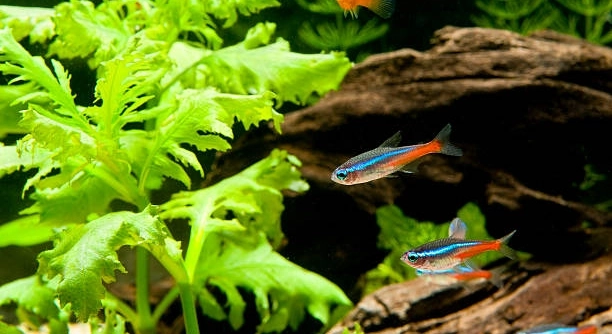
Are your tetras showing signs of distress with their fins held close to their bodies? Clamped fins are a common issue seen by many fish keepers, signaling that something in the fish’s environment or health might be wrong. Understanding the causes can help you care for your tetras better.
Clamped fins in tetras typically result from stress, poor water quality, infections, or improper diet. These factors cause discomfort and health problems, leading fish to keep their fins tight against their bodies as a protective response. Identifying and addressing these causes promptly is essential to restore their wellbeing.
Knowing the main reasons behind clamped fins will help you recognize problems early and take action to keep your tetras healthy and comfortable.
Poor Water Quality
Poor water quality is one of the main reasons tetras develop clamped fins. When water contains high levels of ammonia, nitrites, or nitrates, it creates a toxic environment for the fish. Sudden changes in pH or temperature can also stress tetras, causing their fins to clamp. Dirty tanks with leftover food and waste build up bacteria and harmful substances. Regular water changes and testing can prevent these problems. Maintaining a clean and stable environment is key to keeping your tetras healthy and comfortable. It may take some effort, but clean water has a big impact on your fish’s well-being.
Water quality directly affects fish health. Keeping the water clean reduces stress and illness, preventing clamped fins.
Keeping your tank clean means changing 25% of the water weekly and using a reliable water test kit. Avoid overcrowding the tank since too many fish can quickly lower water quality. A good filter helps remove toxins, but it must be cleaned regularly. Monitoring water parameters like pH, ammonia, nitrites, and nitrates is important to catch problems early. By taking these steps, you create a safer home for your tetras and reduce the chances of fin clamping due to poor water conditions.
Stress Factors
Stress is a common reason for tetras to clamp their fins. Changes in environment, aggressive tank mates, or sudden movements outside the tank can make them anxious. Even loud noises or strong vibrations nearby may cause stress. Stress weakens their immune system, making them prone to disease. Keeping a calm environment helps your fish feel safe and relaxed.
Stress lowers fish health, increasing the chance of fin problems and illness.
To reduce stress, avoid overcrowding the tank and choose peaceful tank mates. Place the aquarium where it won’t be disturbed by noise or heavy traffic. Gradual changes in water conditions are better than sudden shifts. Providing hiding spots with plants or decorations gives tetras a place to retreat when feeling threatened. Paying attention to their behavior and environment will help you keep stress levels low and prevent fin clamping caused by anxiety or fear.
Poor Nutrition
Poor nutrition can cause tetras to clamp their fins. A diet lacking essential vitamins and minerals weakens their health and immune system.
Feeding your tetras only flakes or low-quality food can lead to nutrient deficiencies. A varied diet including high-quality flakes, frozen or live foods like brine shrimp or daphnia ensures they get the nutrients they need. Vitamins such as vitamin C and E help strengthen their immune response, which can prevent fin clamping caused by weakness or illness. Avoid overfeeding, as uneaten food pollutes the water and stresses your fish.
Balanced nutrition supports healthy fins and overall vitality. Regularly offering diverse food helps maintain strong immune defenses and reduces the risk of clamped fins. Watching your fish’s eating habits closely can give clues about their health and prevent problems related to poor diet.
Bacterial and Fungal Infections
Bacterial and fungal infections often cause fin clamping in tetras. These infections may develop due to injuries or poor water conditions.
Bacterial infections, like fin rot, cause tissue damage around the fins, making the fish keep them close to reduce pain. Fungal infections appear as white or cottony patches, irritating the skin and fins. Both infections need quick treatment with antibiotics or antifungal medications to stop damage. Keeping the tank clean and stable prevents these infections from taking hold.
If you notice clamped fins combined with discoloration, torn fins, or abnormal patches, infections are likely. Early detection and proper medication are essential to save your tetras and restore their health.
Temperature Fluctuations
Rapid changes in water temperature stress tetras and cause clamped fins. Stable temperatures are important for their comfort.
Tetras thrive in temperatures between 72°F and 80°F. Sudden drops or spikes can weaken their immune system, making them more vulnerable to illness and fin clamping.
Parasites
Parasites irritate tetras, causing them to clamp their fins as a defense. External parasites like ich attach to the skin and fins, leading to discomfort and stress.
If untreated, parasites can cause severe health problems. Quarantining new fish and treating the tank promptly helps control parasite outbreaks and protects your tetras from stress-related fin clamping.
Overcrowding
Too many fish in one tank lead to stress and poor water quality. Overcrowding causes tetras to clamp their fins due to discomfort and competition for space.
FAQ
What does clamped fins mean in tetras?
Clamped fins mean that a tetra keeps its fins folded close to its body instead of spreading them out naturally. This is often a sign of stress or illness. When fish feel uncomfortable or threatened, clamping their fins helps protect them from injury or infection. It’s important to notice this behavior early because it can point to underlying problems in the tank or the fish’s health.
How can I tell if my tetra’s clamped fins are serious?
If clamped fins happen occasionally but your fish is active and eating well, it might just be temporary stress. However, if the fins stay clamped for a long time or if you see other signs like lethargy, loss of appetite, discoloration, or damaged fins, the problem is more serious. Persistent clamped fins usually indicate poor water quality, infection, or stress that needs to be addressed quickly.
Can clamped fins be fixed?
Yes, clamped fins can often be fixed if the cause is found and treated early. Improving water quality by doing regular water changes and checking parameters is the first step. If an infection is suspected, using proper medication can help. Reducing stress by avoiding overcrowding and aggressive tank mates also supports recovery. A healthy diet will strengthen your fish’s immune system and promote fin healing.
How often should I change my tank water to prevent clamped fins?
It’s best to change about 20–30% of your tank’s water weekly. This keeps ammonia, nitrites, and nitrates at safe levels and prevents waste buildup. Clean water reduces stress on your tetras and lowers the chance of infections that cause clamped fins. Using a water conditioner helps remove harmful chemicals from tap water during changes.
Can temperature affect my tetras’ fins?
Yes, sudden temperature changes or keeping the water outside their ideal range (72–80°F) can stress tetras. Stress weakens their immune system and can cause fin clamping. Using a reliable heater and thermometer to maintain stable water temperature is important. Avoid placing the tank near windows or vents where temperature fluctuates.
Are certain tank mates better to prevent fin clamping?
Peaceful tank mates reduce stress, which helps prevent clamped fins. Aggressive or overly active fish may chase or nip tetras, causing stress or injuries. Suitable companions include other small, calm fish like other tetras, rasboras, or small peaceful catfish. Avoid keeping tetras with large, aggressive species.
Can diet improve my tetra’s fin health?
A balanced diet with variety supports your tetra’s immune system and fin strength. Feeding high-quality flakes combined with occasional live or frozen foods like brine shrimp or daphnia provides essential vitamins and nutrients. Avoid overfeeding, which pollutes the water and can increase stress.
What signs show my tetra might have an infection causing clamped fins?
Look for torn or ragged fins, discoloration, white patches, or fuzzy growths on the fins or body. Fish may also scratch against objects, swim erratically, or lose appetite. If you see these signs along with clamped fins, treat the tank promptly with appropriate antibiotics or antifungal medicine.
How do I prevent parasites that cause fin clamping?
Quarantine new fish for at least two weeks before adding them to your main tank to prevent parasite introduction. Regularly clean the tank and monitor fish behavior. If you spot parasites like white spots or flashing, treat the tank quickly with parasite-specific medication to stop the spread.
Is overcrowding a big problem for tetras?
Yes, overcrowding stresses tetras by limiting space and lowering water quality quickly. This stress can cause clamped fins and weaken the immune system. Aim for about one inch of fish per gallon of water and provide hiding spaces with plants and decorations. Proper tank size and stocking density help keep tetras comfortable and healthy.
Final Thoughts
Clamped fins in tetras are a clear sign that something in their environment or health is not quite right. It is important to pay attention to this behavior because it often points to stress, poor water conditions, or illness. When tetras keep their fins tight against their bodies, they are trying to protect themselves or cope with discomfort. Recognizing this early can help prevent more serious problems and keep your fish healthy. Regular care, such as maintaining clean water and providing a good diet, plays a big role in avoiding clamped fins.
Taking care of tetras means keeping a stable and clean environment. Water quality is the most important factor to watch. Testing your water regularly for ammonia, nitrites, nitrates, and pH levels helps catch issues before they get worse. Making routine water changes and keeping the tank clean will reduce stress for your fish. Avoid overcrowding because too many fish in a small space can quickly lower water quality and increase stress. Stress weakens their immune system, making them more vulnerable to infections or parasites that also cause clamped fins.
Nutrition and tank conditions work together to support your tetras’ health. Feeding a varied and balanced diet gives them the vitamins and minerals needed to stay strong and resist illness. Along with good food, choosing peaceful tank mates and providing places to hide can lower stress levels. If infections or parasites appear, early treatment is important to prevent lasting damage. Watching your fish closely and acting quickly at the first sign of clamped fins will improve their chances of recovery. Overall, consistent care and attention create the best environment for tetras to thrive and show their natural, healthy behavior.

Hello,
If you enjoy the content that we create, please consider saying a "Thank You!" by leaving a tip.
Every little bit helps us continue crafting quality advice that supports the health, happiness, and well-being of pets around the world, for pets of all shapes, sizes, and species.
We really appreciate the kindness and support that you show us!