
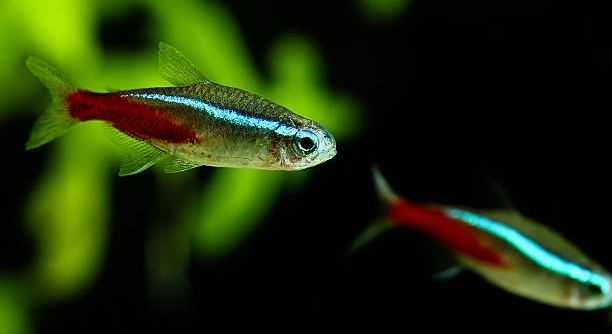
Tetras are popular freshwater fish known for their vibrant colors and peaceful nature. Many aquarium owners want to ensure their tetras feel comfortable and happy in their tank environment. Recognizing signs of contentment helps maintain a healthy aquarium.
Tetras show they like their tank setup through behaviors such as active swimming, bright coloration, consistent eating habits, minimal hiding, smooth breathing, social interaction, and stable health indicators. Observing these signs can confirm if the environment meets their needs.
Knowing how to identify these behaviors allows for better care and adjustments to the tank setup. This knowledge helps keep tetras thriving in their aquatic home.
Active Swimming Patterns
Tetras that like their tank setup tend to swim actively and confidently. They explore different areas without hesitation and do not stay hidden for long periods. Active swimming is a good indicator that the fish feels safe and comfortable. When tetras enjoy their environment, they often move in groups, showing social behavior that reflects their natural instincts. Swimming near the middle or top of the tank regularly also suggests they are not stressed or afraid. If you notice your tetras darting around or resting at the bottom, it may signal discomfort. Tank conditions like water temperature, cleanliness, and plants can affect their swimming behavior. Keeping the tank well-maintained supports their activity level and overall health. Observing these patterns over time gives insight into whether your setup suits your tetras’ needs.
Consistent active swimming reflects good tank conditions and healthy fish behavior. It means your tetras are adjusting well.
Regular observation helps detect changes in swimming behavior early, allowing timely adjustments to maintain a healthy environment for your fish.
Bright Coloration
Tetras display their true colors when they feel secure and healthy. Bright, vibrant colors often indicate good water quality and proper nutrition. Dull or faded colors can be a sign of stress, illness, or poor tank conditions. Color intensity is influenced by factors such as lighting, diet, and tank mates. Providing a balanced diet rich in nutrients helps tetras maintain their coloration. Proper lighting that mimics their natural habitat enhances their colors as well. Avoid overcrowding, as aggressive tank mates can stress tetras and cause color loss. Maintaining stable water parameters, including pH and temperature, is crucial to keep colors vivid. Regular water changes and tank cleaning help prevent toxins that can dull colors. Watching for these visual cues can give you a clear indication of your tetras’ comfort and health.
Healthy tetras with bright colors are a sign your tank environment is well suited to their needs. Proper care directly impacts their appearance.
Keeping the tank conditions stable and feeding high-quality food encourages tetras to show their best colors. This reflects a positive tank setup.
Consistent Eating Habits
Tetras that enjoy their tank will eat regularly and show interest in food. Refusing meals or hiding during feeding times can indicate discomfort or illness.
Regular feeding routines support healthy growth and vibrant colors. When tetras eat consistently, it reflects both their well-being and satisfaction with their environment. Feeding small amounts multiple times a day helps prevent overfeeding and maintains water quality. Watch how they respond during feeding—active, eager fish are generally happy and healthy.
If your tetras suddenly stop eating or become picky, it may be a sign to check water parameters or tank setup. Ensuring a stress-free environment encourages regular feeding habits and overall health.
Minimal Hiding Behavior
Tetras that feel secure in their tank tend to hide less. Excessive hiding can mean stress or fear caused by poor conditions or aggressive tank mates.
Reducing stress means providing plenty of plants and hiding spots while keeping the tank peaceful. Tetras naturally seek shelter, but if they hide constantly, it could indicate something wrong. Stress from sudden changes, overcrowding, or poor water quality often leads to hiding. Keeping the environment stable and calm helps tetras feel safe enough to explore rather than hide.
Balanced tank mates and a well-structured environment reduce hiding behavior. When tetras show themselves more often, it’s a sign they are comfortable and content.
Smooth Breathing
Tetras that are comfortable breathe evenly and calmly. Rapid or labored breathing often signals stress or poor water quality.
Healthy water conditions with proper oxygen levels support smooth gill movement. Watch your fish to catch any breathing difficulties early and adjust the tank environment accordingly.
Social Interaction
Tetras are schooling fish that prefer being with others. They feel secure when swimming together in groups, showing coordinated movements and close proximity.
Isolation or erratic behavior can indicate discomfort or illness. Providing enough space and companions helps them thrive. Social interaction is a clear sign that your tetras enjoy their tank setup.
Stable Health Indicators
A tetra’s physical health reflects tank quality. Clear eyes, intact fins, and no visible signs of disease mean the environment is suitable and supportive.
Regular monitoring for changes helps maintain their well-being. Keeping the tank clean and balanced ensures your fish stay healthy and happy.
How often should I change the water in my tetra tank?
Regular water changes are essential to keep tetras healthy. Changing about 20-25% of the water once a week is a good practice. This helps remove waste, toxins, and excess nutrients that build up over time. Avoid changing too much water at once, as sudden shifts can stress the fish. Always use dechlorinated water that matches the tank’s temperature and pH to prevent shock. Consistency is key to maintaining stable water conditions, which keeps tetras comfortable and thriving.
What is the ideal tank size for a tetra school?
Tetras are small but active fish that do best in groups. A tank size of at least 20 gallons is recommended for a school of six to eight tetras. This size provides enough swimming space and helps dilute waste products. Larger tanks make it easier to maintain stable water parameters, which is important for their health. Overcrowding leads to stress, aggression, and poor water quality, so providing ample space supports natural behavior and well-being.
Can tetras live with other fish species?
Tetras are generally peaceful and can live with other small, non-aggressive fish. Ideal tank mates include other small schooling fish, peaceful bottom dwellers, and certain livebearers. Avoid keeping tetras with large, aggressive species that may harass or eat them. When mixing species, ensure all fish share similar water parameter needs. Providing plenty of hiding spots and maintaining proper tank size reduces territorial disputes and stress. Monitoring fish behavior regularly helps identify any compatibility issues early.
What should I feed my tetras?
Tetras thrive on a varied diet that includes high-quality flake or pellet food designed for tropical fish. Supplement their diet with occasional live or frozen foods like brine shrimp, daphnia, or bloodworms to provide essential proteins and nutrients. Vegetables such as blanched spinach or zucchini can also be offered in small amounts. Feeding small portions two to three times daily prevents overfeeding and helps maintain water quality. Balanced nutrition supports their coloration, health, and energy levels.
How can I tell if my tetras are stressed?
Signs of stress in tetras include rapid breathing, hiding for long periods, loss of color, erratic swimming, and reduced appetite. Stress may result from poor water quality, aggressive tank mates, sudden changes in environment, or inadequate tank size. Keeping water parameters stable, providing a peaceful environment, and ensuring proper nutrition reduce stress. Regular observation helps catch early warning signs, allowing quick action to improve conditions and support fish health.
What water parameters do tetras need?
Tetras prefer slightly acidic to neutral water, with a pH between 6.0 and 7.5. Temperature should be stable, ranging from 72°F to 80°F (22°C to 27°C). Soft to moderately hard water suits them best. Consistency in these parameters is more important than hitting exact numbers. Frequent testing helps catch fluctuations early. Using a reliable water conditioner and performing regular water changes maintain optimal conditions. Proper water parameters reduce disease risk and promote natural behavior.
How many tetras should I keep together?
Tetras are schooling fish that feel safest in groups of at least six. Smaller groups may cause them to feel insecure and display stress behaviors. Larger groups allow natural social interaction and reduce aggression among tank mates. When keeping more than eight or ten tetras, increase the tank size accordingly to prevent overcrowding. Maintaining proper group size supports their mental well-being and encourages healthy swimming patterns.
Why do my tetras hide all the time?
Frequent hiding usually indicates stress, illness, or discomfort. Possible causes include poor water quality, aggressive tank mates, or sudden changes in lighting or temperature. Tetras may also hide if the tank lacks enough plants or hiding spots. Ensuring clean water, peaceful companions, and adequate shelter reduces hiding behavior. If hiding persists, testing water parameters and checking for signs of disease is important to address the root cause promptly.
Tetras are small, active fish that rely heavily on their environment to feel comfortable and healthy. Observing their behavior carefully can reveal a lot about how they feel in their tank setup. Signs such as active swimming, bright colors, consistent eating, and social interaction indicate that the tetras are happy with their surroundings. On the other hand, hiding too much, dull coloration, or irregular breathing may show discomfort or stress. Understanding these behaviors helps in making informed decisions about tank maintenance and adjustments. A well-maintained tank not only keeps tetras healthy but also enhances their natural behaviors, making the aquarium a pleasant space for both the fish and the owner.
Maintaining proper tank conditions requires attention to water quality, tank size, diet, and companionship. Regular water changes, stable temperature, and balanced pH levels are crucial for creating an ideal habitat. Feeding a varied diet that meets their nutritional needs supports their health and coloration. Additionally, tetras are social creatures and thrive best in groups, so providing enough space and compatible tank mates reduces stress and encourages natural schooling behavior. Plants and hiding places within the tank offer shelter and security, contributing to their sense of safety. These factors together create an environment where tetras can flourish and display their best traits.
Overall, caring for tetras involves more than just filling a tank with water and fish. It requires consistent observation and effort to maintain a balanced ecosystem. Paying attention to their physical and behavioral signs allows for early detection of problems. Adjustments to the tank setup can then be made promptly, ensuring the fish remain healthy and comfortable. With proper care and a well-designed environment, tetras can live long, vibrant lives that bring enjoyment to any aquarium. Keeping their needs in mind leads to a successful and rewarding fishkeeping experience.

Hello,
If you enjoy the content that we create, please consider saying a "Thank You!" by leaving a tip.
Every little bit helps us continue crafting quality advice that supports the health, happiness, and well-being of pets around the world, for pets of all shapes, sizes, and species.
We really appreciate the kindness and support that you show us!