
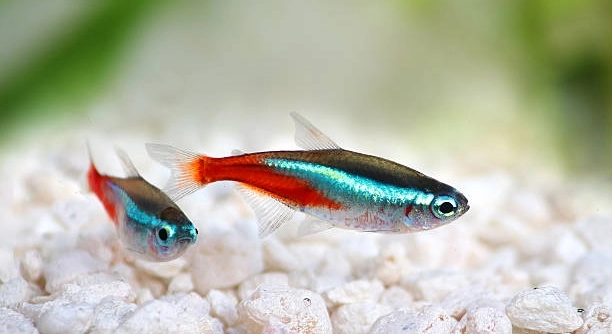
Are your tetra fish ignoring their food lately? Many aquarium owners face this issue, finding their usually active fish uninterested during feeding times. This behavior can be worrying, especially when you want to ensure your fish are healthy and well-nourished.
Tetras may stop responding to food due to several reasons, including poor water quality, stress, illness, or changes in their environment. Identifying the exact cause requires observing their tank conditions, behavior, and diet carefully to address the problem effectively.
Understanding why your tetras refuse food is essential for their well-being. Exploring common causes and simple solutions can help restore their appetite and keep your aquarium thriving.
Common Causes of Tetras Not Eating
Tetras may stop eating for various reasons, most of which relate to their environment or health. One major factor is water quality. Poor water conditions can stress fish, making them lose interest in food. High levels of ammonia, nitrites, or nitrates often cause discomfort. Another cause is stress from sudden changes, such as new tankmates, rearranged decorations, or fluctuating temperatures. Illness can also affect appetite, with infections or parasites reducing a tetra’s desire to eat. Additionally, overfeeding or offering unsuitable food may lead tetras to ignore meals. Observing these factors closely can help identify why your fish are not responding. Addressing these issues often improves their appetite and overall well-being, ensuring your tetras remain active and healthy in their habitat.
Changes in tank conditions or fish health usually explain why tetras refuse food. Monitoring these elements is key to restoring their normal eating habits.
Fish respond well when their environment is stable and clean. Keeping water parameters steady and providing a varied, suitable diet encourages consistent feeding behavior. Regular tank maintenance and careful observation of your tetras can prevent many feeding problems before they start. Also, feeding small portions several times a day rather than one large meal reduces waste and keeps fish interested. If illness is suspected, quarantining and treating affected fish early can protect the entire tank. These steps help maintain a healthy environment where tetras feel secure and ready to eat.
Adjusting Feeding Practices
Tetras may benefit from changes in how and what they are fed. Feeding the right type of food in the proper amount encourages better appetite and reduces waste.
Offering a mix of high-quality flakes, frozen or live foods like brine shrimp or daphnia, mimics their natural diet and increases feeding interest. Avoid overfeeding, as leftover food can pollute water and stress fish. Small, frequent feedings are more effective than one large meal, as tetras eat in small bites throughout the day. It is important to remove uneaten food promptly to maintain water quality.
Carefully adjusting feeding routines based on observation helps re-engage tetras with their food. Sometimes, simply changing the type of food or feeding schedule makes a noticeable difference. Patience is necessary because fish may take time to adapt to new practices. Combining proper feeding with good tank care creates a balanced environment where tetras thrive and eat regularly.
Monitoring Water Quality
Regular water testing is crucial for keeping tetras healthy. Parameters such as pH, ammonia, nitrite, and nitrate levels should be checked weekly to ensure they remain within safe ranges.
Water quality directly affects fish appetite and behavior. Ammonia and nitrites should be at zero, while nitrates should stay below 20 ppm. Sudden changes in pH or temperature can stress tetras, leading to food refusal. Frequent partial water changes help maintain stable conditions by removing toxins and replenishing minerals. Using a reliable test kit allows you to detect problems early and act quickly. Keeping the tank clean and stable encourages tetras to eat regularly and remain active.
Filtration also plays a key role in water quality. A well-maintained filter removes debris and harmful substances, supporting a healthy environment. Avoid overfeeding to reduce waste buildup, which can harm water chemistry. Ensuring good water quality is one of the most effective ways to support your tetras’ health and appetite.
Recognizing Signs of Illness
Loss of appetite in tetras can indicate underlying illness. Watch for other symptoms like lethargy, faded color, or abnormal swimming patterns.
Sick tetras often stop eating because their bodies are focused on fighting infection or parasites. Common illnesses include fin rot, ich, and bacterial infections. These conditions cause discomfort and stress, affecting feeding behavior. Early detection is important to prevent spread and worsening of disease. Quarantining sick fish and consulting aquarium health resources or professionals can guide effective treatment. Ignoring these signs risks the health of the entire tank.
Maintaining good tank hygiene and stable conditions helps prevent many common diseases. A balanced diet and clean water reduce stress and strengthen your tetras’ immune systems. Responding quickly to illness signs protects your fish and keeps the aquarium environment stable and healthy.
Tank Stress Factors
Stress is a common reason tetras stop eating. Overcrowding, aggressive tankmates, or sudden changes can cause stress and reduce appetite.
Maintaining a peaceful environment with compatible fish and stable conditions helps lower stress. Avoid frequent rearranging or loud noises near the tank to keep tetras calm and willing to eat.
Temperature and Lighting
Proper temperature and lighting are essential for tetra health. Most tetras thrive between 72°F and 80°F, with consistent light cycles of about 8–12 hours daily.
Temperature fluctuations or incorrect lighting can disrupt their natural behavior, including feeding habits. Using a reliable heater and timer ensures stability and supports regular eating patterns.
Improving Appetite Safely
Introducing new foods gradually encourages tetras to eat without causing digestive issues. Sudden diet changes may cause rejection or stress, so mixing familiar and new foods works best.
Offering a variety of textures and flavors mimics their natural diet and helps keep their interest during feeding times.
When to Seek Help
If tetras continue refusing food despite changes, professional advice may be needed. Persistent appetite loss can signal serious health or environmental problems that require expert attention.
FAQ
Why are my tetras not eating even though the water looks clean?
Even if the water appears clear, harmful substances like ammonia or nitrites may still be present at unsafe levels. These toxins can stress your tetras and suppress their appetite. Testing the water regularly with a reliable kit is necessary because clear water doesn’t always mean healthy water. Additionally, other factors such as stress from tankmates or illness might cause them to refuse food despite seemingly good conditions.
Can overfeeding cause my tetras to stop eating?
Yes, overfeeding can lead to food buildup in the tank, which pollutes the water and stresses fish. Leftover food can also cause poor water quality by increasing ammonia and nitrate levels. This toxic environment reduces appetite and can lead to health problems. Feeding small amounts and removing uneaten food promptly keeps the water clean and encourages tetras to eat regularly.
How often should I feed my tetras?
Feeding tetras two to three times daily in small portions is ideal. Frequent, small feedings mimic their natural grazing behavior and prevent overfeeding. Avoid giving more food than they can consume in a few minutes, as excess food decays and harms water quality. Consistent feeding schedules help tetras develop a healthy appetite and reduce stress.
Is it normal for tetras to fast sometimes?
Tetras may occasionally skip a meal or eat less without cause for concern. Like many animals, they can have natural variations in appetite. However, if they refuse food for more than a day or show other symptoms like lethargy or unusual swimming, it is best to check water conditions and look for signs of illness.
Can changes in tank setup cause tetras to stop eating?
Yes, sudden changes such as adding new fish, rearranging decorations, or changing water parameters can stress tetras. Stress lowers their immune system and appetite. Keeping a stable environment and introducing changes slowly can help minimize stress and maintain feeding behavior.
What types of food are best for tetras?
Tetras thrive on a varied diet including high-quality flakes, micro pellets, and live or frozen foods such as brine shrimp and daphnia. Variety keeps them interested and provides balanced nutrition. Avoid feeding only one type of food, which can lead to nutritional deficiencies and poor health.
How can I tell if my tetra is sick?
Signs of illness include loss of appetite, faded colors, clamped fins, unusual swimming, or visible spots and lesions. If you notice these, isolate the affected fish and test water quality. Prompt treatment is essential to prevent disease spread and improve recovery chances.
Does lighting affect tetra feeding?
Proper lighting helps regulate tetras’ daily rhythms and feeding patterns. A consistent light cycle of about 8 to 12 hours supports their natural behavior. Too much or too little light can cause stress and disrupt feeding. Using a timer to maintain a steady schedule benefits fish health.
Can water temperature affect appetite?
Yes, tetras are sensitive to temperature changes. Ideal water temperature ranges from 72°F to 80°F. Temperatures outside this range can cause stress and reduce feeding. Using a heater and thermometer ensures a stable environment that supports healthy appetite and activity levels.
What should I do if my tetras still won’t eat after trying everything?
If tetras continue refusing food despite improving water quality, reducing stress, and adjusting feeding, seek advice from an experienced aquarist or veterinarian. Persistent appetite loss could signal serious illness or environmental issues that require professional diagnosis and treatment. Early intervention improves the chances of recovery.
Final Thoughts
Understanding why your tetras are not responding to food is important for maintaining their health and happiness. Many factors can cause this behavior, including water quality, stress, illness, and feeding habits. Paying close attention to these elements helps identify the issue before it worsens. Regular testing of water parameters, maintaining a stable tank environment, and offering a varied diet are simple steps that make a big difference. Fish that live in clean, stable conditions with proper nutrition are more likely to eat consistently and stay healthy.
Stress is often overlooked but plays a major role in appetite loss. Changes in the tank, aggressive tankmates, or sudden shifts in water temperature can cause stress for tetras. This stress reduces their desire to eat and weakens their immune system. Minimizing disruptions and creating a peaceful environment is key to encouraging feeding behavior. It is also important to watch for signs of illness since sick fish often lose interest in food. Early detection and treatment of health problems can prevent long-term damage and improve appetite.
Feeding practices also affect how tetras respond to food. Overfeeding can pollute the water, causing health issues that reduce appetite. Offering small portions multiple times a day and providing a mix of high-quality flakes, frozen, or live foods works best. Patience is important because tetras may need time to adjust after changes in diet or environment. Combining good tank care with proper feeding habits supports a healthy appetite and a thriving aquarium. Taking these steps helps ensure your tetras remain active, healthy, and eager to eat.

Hello,
If you enjoy the content that we create, please consider saying a "Thank You!" by leaving a tip.
Every little bit helps us continue crafting quality advice that supports the health, happiness, and well-being of pets around the world, for pets of all shapes, sizes, and species.
We really appreciate the kindness and support that you show us!