
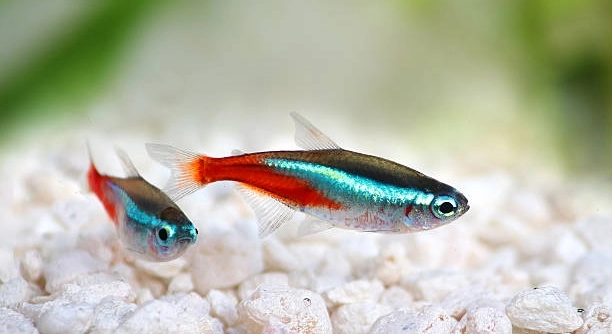
Tetras are popular freshwater fish known for their vibrant colors and peaceful nature. Keeping them healthy is important for any aquarium enthusiast. One common issue many face is preventing their tetras from getting ich, a common fish disease.
Preventing ich in tetras involves maintaining clean water, avoiding sudden temperature changes, quarantining new fish, providing proper nutrition, and reducing stress. These actions create a stable environment that limits the risk of infection and supports the fish’s immune system.
Following these steps will help you protect your tetras from ich and keep your aquarium thriving over time. The article covers seven effective actions to maintain your fish’s health.
Keep the Tank Clean and Well-Maintained
A clean tank is essential to prevent ich from affecting your tetras. Regular water changes help remove waste and harmful substances that can stress fish and make them vulnerable to disease. Removing uneaten food and debris keeps the water quality high, which supports the fish’s immune system. Using a good filtration system ensures that the water stays clear and free of toxins. Avoid overcrowding the tank, as this increases waste buildup and stress among fish. Testing water parameters regularly, such as ammonia, nitrite, and nitrate levels, helps catch problems early. Keeping the tank stable and clean reduces the chances of ich developing. A consistent cleaning routine and proper maintenance create a healthier environment for your tetras to thrive.
Maintaining good water quality prevents many diseases, including ich, by reducing stress and keeping the fish’s natural defenses strong.
Regular cleaning, along with proper filtration and water testing, will create a safe home for your tetras. This steady care reduces disease risk and keeps the fish lively and healthy. Avoiding overcrowding is also key to minimizing stress and waste buildup. Combined, these actions make a big difference in disease prevention.
Quarantine New Fish Before Adding Them to the Tank
Quarantining new fish prevents the spread of ich and other diseases. Keep new arrivals separate for at least two weeks to observe any signs of illness. This step protects your existing tetras from infections that might be introduced. Monitor the water temperature and quality during quarantine to reduce stress on the new fish. Treat the quarantine tank if any disease appears before adding the fish to the main tank.
Quarantine is a simple but effective way to avoid introducing diseases like ich.
When you bring new tetras home, placing them in a separate tank allows time to watch for illness without risking the entire aquarium. During this period, keep the water conditions stable and provide proper food. If signs of ich appear, treatment can begin immediately in isolation. Only healthy fish should be introduced to the main tank, reducing the chance of an outbreak. This precaution saves time and effort by preventing the need for widespread treatment later. Taking this step keeps your existing fish safe and supports a balanced aquarium environment.
Maintain Stable Water Temperature
Sudden temperature changes can stress tetras and make them vulnerable to ich. Keeping the water temperature stable helps maintain their immune defenses.
Tetras thrive best in water temperatures between 74°F and 80°F. Fluctuations outside this range weaken their immune systems, making it easier for ich to develop. Using a reliable aquarium heater and thermometer ensures consistent temperature control. Avoid placing the tank near windows or vents where temperature swings are common. Even small drops or rises can trigger stress, increasing the risk of disease. Keeping the environment steady helps the fish stay strong and healthy.
Stable temperature reduces stress-related illnesses, giving your tetras a better chance against infections. It is important to monitor and adjust the tank conditions regularly to maintain this balance. This simple step can prevent many health issues before they start.
Provide Proper Nutrition
Feeding tetras a balanced diet strengthens their immune system against ich. A varied diet includes high-quality flakes, frozen, and live foods.
Good nutrition supports the fish’s natural defenses and overall health. Feeding small amounts several times a day prevents overfeeding and water pollution. Overfeeding leads to poor water quality, which stresses fish and invites disease. Including foods rich in vitamins and minerals helps maintain strong skin and scales, the first line of defense against ich. Avoid low-quality food that lacks essential nutrients, as it can weaken the fish over time.
Balanced nutrition plays a critical role in disease prevention. Providing a mix of food types ensures your tetras receive all the nutrients they need. Proper feeding habits combined with clean water create the best conditions for healthy fish. Taking care with diet directly improves their ability to resist infections.
Reduce Stress in the Aquarium
Stress weakens tetras and makes them more prone to ich. Minimizing stress is key to keeping them healthy.
Avoid overcrowding and provide plenty of hiding places. Calm water flow and stable lighting also help reduce stress levels.
Avoid Overcrowding
Keeping too many fish in one tank increases waste and stress. This environment is ideal for ich to spread quickly. Maintaining an appropriate number of tetras per gallon ensures cleaner water and less competition. Overcrowding causes constant stress, lowering the fish’s immunity and increasing the chance of disease outbreaks.
Monitor Fish Behavior Closely
Watch for early signs of ich, like scratching or white spots. Early detection allows for quicker treatment and better outcomes.
Use Aquarium Salt When Needed
Aquarium salt can help prevent ich and improve fish health. Use it according to guidelines and only when necessary to avoid harm.
FAQ
What is ich, and how does it affect tetras?
Ich, also known as white spot disease, is a common parasitic infection in freshwater fish like tetras. It appears as small white spots on the fish’s body and fins. The parasite attaches to the skin and gills, causing irritation, stress, and difficulty breathing. If untreated, ich can lead to serious health problems and even death. Tetras with weakened immune systems or those under stress are more susceptible to this disease. Early detection and proper tank care are essential to prevent ich from spreading.
How often should I clean my tetra tank to prevent ich?
Regular cleaning is important to keep the tank environment healthy. Performing a partial water change of about 20-30% weekly is usually enough. This helps remove waste and toxins that build up over time. Cleaning the substrate and removing leftover food also prevents decay, which can harm water quality. Avoid cleaning the entire tank at once, as this can stress the fish. Maintaining a consistent cleaning schedule supports stable water conditions and reduces the chances of ich developing.
Can ich be treated once it appears in the tank?
Yes, ich can be treated, but early action is crucial. Raising the tank temperature slightly can speed up the parasite’s life cycle, making treatment more effective. Medications specifically designed for ich are available at pet stores and should be used according to instructions. Some aquarium salt treatments also help reduce parasite levels. Isolating infected fish in a quarantine tank can prevent the disease from spreading. However, prevention through good tank care is always better than treatment.
Is quarantine necessary for all new fish?
Quarantining new fish before adding them to the main tank is highly recommended. This practice prevents the introduction of diseases like ich into an established aquarium. A quarantine period of two to four weeks allows you to monitor the new fish for any signs of illness. It also gives time to treat the fish if needed before they join others. Skipping quarantine increases the risk of disease outbreaks and makes managing tank health more difficult.
What role does temperature play in preventing ich?
Maintaining a stable water temperature is important for your tetras’ health. Sudden drops or rises in temperature can stress the fish and weaken their immune systems. A consistent temperature between 74°F and 80°F is ideal for tetras. Using a reliable heater and thermometer helps avoid fluctuations. Stress from temperature changes makes fish more vulnerable to parasites like ich. Keeping the water stable supports their natural defenses and reduces disease risk.
Can diet really help prevent ich?
A balanced diet strengthens tetras’ immune systems, making them better able to fight off infections like ich. Feeding high-quality flakes, frozen, or live foods provides necessary nutrients. Avoid overfeeding, as excess food can pollute the water and cause stress. Foods rich in vitamins and minerals support healthy skin and scales, which act as a barrier against parasites. Proper nutrition combined with clean water is essential to keeping your tetras healthy.
How does stress contribute to ich outbreaks?
Stress lowers a fish’s immune response, making it easier for ich to take hold. Common causes of stress include overcrowding, poor water quality, sudden changes in temperature, and lack of hiding spaces. Reducing stress factors by providing adequate space, clean water, and a stable environment helps prevent disease. Calm water flow and gentle lighting also improve fish comfort. Managing stress effectively is one of the best ways to avoid ich outbreaks in your tank.
Is aquarium salt safe to use regularly?
Aquarium salt can be helpful in preventing and treating ich, but it should be used carefully. It is safe in low concentrations and when used according to guidelines. Overuse can harm plants, invertebrates, and some fish species. Salt improves gill function and helps fish fight off parasites. Use salt as a preventive measure only when necessary, and always follow the instructions on the packaging. Regular monitoring of your tank’s inhabitants will ensure their safety.
How can I tell if my tetra has ich?
The most noticeable sign of ich is small white spots on the fish’s body and fins, resembling grains of salt. Infected fish may also scratch against tank surfaces, swim erratically, or breathe rapidly. Loss of appetite and lethargy are additional signs. Early detection is key to successful treatment. Observing your tetras regularly helps catch symptoms before the infection spreads. Acting promptly when signs appear can save your fish.
What should I avoid to keep my tetras safe from ich?
Avoid overcrowding your tank, as it increases stress and waste buildup. Do not add new fish without quarantining them first. Prevent sudden changes in temperature and maintain clean, stable water conditions. Overfeeding should be avoided to keep the water quality high. Using poor-quality food and neglecting regular tank maintenance can also weaken fish health. By managing these factors, you create a strong defense against ich and other diseases.
Final thoughts on preventing ich in tetras focus on the importance of consistent care and attention. Ich is a common problem that can be avoided by maintaining a healthy environment. Keeping the tank clean, stable, and properly managed is the best way to protect your fish. Small daily or weekly efforts, like monitoring water quality and temperature, can make a big difference. It is better to focus on prevention than to deal with the stress and difficulty of treating an outbreak.
Another key point is reducing stress for your tetras. Stress weakens their natural defenses and opens the door for disease. Providing enough space, hiding spots, and stable conditions helps keep stress levels low. Proper nutrition also plays a big role in supporting the immune system. Feeding a balanced diet with the right nutrients strengthens the fish, making them less likely to get sick. These combined steps help build strong fish that can resist parasites like ich.
Lastly, quarantining new fish before adding them to your tank is essential. It may seem like extra work, but this simple step prevents the spread of disease. Monitoring new arrivals gives you time to treat any problems before they affect the entire tank. Using aquarium salt and medications as needed can help, but the best results come from a clean, well-maintained environment. By following these actions, you will improve your tetras’ health and enjoy a peaceful, vibrant aquarium.

Hello,
If you enjoy the content that we create, please consider saying a "Thank You!" by leaving a tip.
Every little bit helps us continue crafting quality advice that supports the health, happiness, and well-being of pets around the world, for pets of all shapes, sizes, and species.
We really appreciate the kindness and support that you show us!