
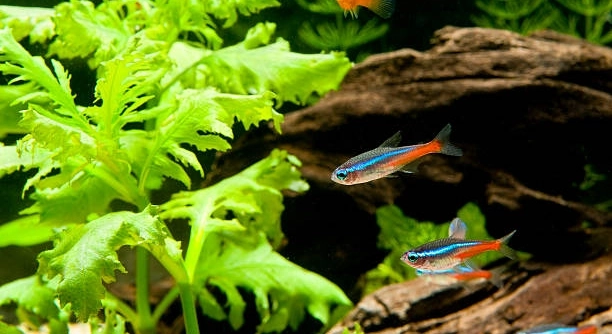
Are your tetras staying apart instead of swimming together in a school? This behavior can be puzzling for many aquarium enthusiasts who expect these fish to be social and closely bonded. Understanding the reasons behind their reluctance is important for a healthy tank.
Tetras may refuse to join the school due to stress, illness, environmental changes, or improper tank conditions. Factors like water quality, tank size, or the presence of aggressive fish can disrupt their natural schooling behavior and cause isolation.
Knowing what influences their social behavior can help improve their comfort and encourage schooling. The following details will guide you through the main causes and solutions for this common issue.
Stress and Its Impact on Schooling Behavior
Stress is a common reason why tetras might avoid joining their school. Changes in water temperature, poor water quality, or sudden shifts in lighting can make fish uncomfortable and anxious. When stressed, tetras tend to isolate themselves to feel safer. Even frequent loud noises near the tank or sudden movements can cause stress. When fish feel threatened, their natural instinct is to hide or stay away from others until they feel secure again. It’s important to regularly test water parameters and keep the tank stable. Creating a calm environment with proper hiding spots and gentle filtration reduces stress. Tetras need consistent care and minimal disturbances to maintain healthy social behavior. Watching your fish for signs like erratic swimming or faded colors can help you spot stress early and act quickly.
Stress can be reduced by keeping the tank environment stable and free from sudden changes.
Maintaining steady water conditions and a quiet tank area allows tetras to feel safe and encourages them to rejoin their school. Adding plants or decorations can provide shelter, helping fish feel protected. Avoid overcrowding and keep compatible tank mates to lower stress. Regular feeding schedules and gentle water flow also support comfort. When tetras are calm and comfortable, schooling behavior usually returns naturally.
Tank Conditions Affecting Schooling
Poor tank conditions often cause tetras to separate from their group.
The size of the tank matters. A small or overcrowded tank limits swimming space and can make tetras feel trapped. They need enough room to swim freely with their group. Clean water is essential. High levels of ammonia or nitrites, or incorrect pH, can weaken fish and cause them to behave unusually. Regular water changes and proper filtration are key. Tank mates also influence schooling. Aggressive or larger fish may intimidate tetras, leading them to hide or avoid the school. Incompatible species can disrupt peace and reduce social behavior. Keeping the environment suitable and safe helps tetras feel secure enough to school naturally. Adjusting tank size, water quality, and choosing peaceful companions supports healthy fish behavior.
Illness and Schooling Behavior
When tetras are sick, they often isolate themselves from the group. Illness weakens their energy and instinct to school. Watch for signs like sluggish swimming, loss of color, or clamped fins. Early detection is important to prevent worsening.
Sick fish may swim alone or hide, avoiding the protective behavior of schooling. Common diseases affecting tetras include ich, fin rot, and internal parasites. These conditions cause discomfort and stress, making schooling less likely. Quarantining affected fish and treating the tank properly helps recovery. Maintaining good water quality reduces the chance of illness spreading. Monitoring your fish daily will help catch symptoms early and keep the whole school healthy.
A healthy tetra school is active and closely grouped. Illness disrupts this balance, so addressing health issues quickly supports natural social behavior. Proper care and prompt treatment bring fish back into the school.
Adjusting the Tank Environment
Adjusting the tank setup can encourage tetras to rejoin their school.
Consider adding plants and decorations to create hiding spots and reduce stress. A well-structured tank offers a sense of security for fish. Keep lighting moderate and consistent to avoid startling them. Maintaining a gentle water flow mimics their natural environment, helping fish feel comfortable. Avoid overcrowding by ensuring the tank has enough space for all fish. Regular cleaning and water changes maintain water quality, reducing stressors. Sometimes, simply rearranging the tank layout refreshes the environment and encourages natural behaviors. Small changes in the tank can make a big difference in how tetras interact with each other.
Tank Mates and Their Influence
Aggressive or overly active tank mates can disrupt tetra schooling. Stress caused by bullying makes tetras avoid the group. Peaceful companions help maintain calm and encourage social behavior.
Choosing compatible fish is essential. Avoid species known for aggression or fin-nipping.
Feeding Practices Affecting Schooling
Feeding times and methods impact how tetras behave. Uneven feeding can cause competition and stress, making some fish isolate themselves. Using sinking pellets or spreading food evenly helps all fish eat comfortably. Consistent feeding schedules also reduce anxiety and support natural schooling behavior.
Lighting and Schooling Behavior
Bright or fluctuating lighting can make tetras uncomfortable. Gentle, steady light mimics their natural habitat, encouraging them to stay together.
Water Parameters and Their Role
Maintaining proper water temperature, pH, and hardness is key for healthy schooling. Incorrect conditions cause discomfort and separation from the group.
FAQ
Why are my tetras hiding instead of schooling?
Tetras may hide due to stress, illness, or feeling threatened by tank mates. Poor water conditions or sudden changes in the environment also cause hiding. Creating a calm tank with plenty of hiding spots and stable water parameters encourages them to come out and school together again.
How many tetras should be kept together to encourage schooling?
Tetras are social fish and need at least six individuals to form a proper school. Smaller groups may feel insecure, causing fish to separate or hide. Keeping a larger group supports natural behavior and reduces stress, leading to healthier, more active fish.
Can changing the tank layout improve schooling behavior?
Yes, rearranging plants and decorations can refresh the environment and reduce stress. New hiding spots or open swimming areas help fish feel secure and comfortable. This encourages tetras to gather and swim as a group, improving their natural schooling instinct.
What water parameters are best for tetras?
Tetras thrive in water with a temperature between 72°F and 78°F (22°C to 26°C), a pH of 6.0 to 7.5, and soft to moderately hard water. Stable parameters help reduce stress and support healthy schooling behavior. Regular testing and water changes maintain these ideal conditions.
Could aggressive tank mates cause schooling problems?
Yes, aggressive or large fish may bully or intimidate tetras, making them hide or avoid schooling. Choosing peaceful species that coexist well with tetras creates a safer environment and encourages them to swim together naturally.
How can I tell if my tetra is sick?
Signs include faded colors, clamped fins, lethargy, loss of appetite, or erratic swimming. Sick fish often separate from the group. Prompt treatment and quarantine prevent illness from spreading and help the school return to normal behavior.
Is feeding frequency important for schooling behavior?
Consistent feeding times help reduce stress and competition during mealtime. Uneven feeding can cause aggression or isolation. Using appropriate food types and spreading food evenly allows all tetras to eat comfortably, supporting group cohesion.
Can lighting affect how tetras school?
Yes, very bright or flickering lights can stress tetras and disrupt schooling. Soft, steady lighting mimics natural conditions and helps fish feel safe, encouraging them to swim together as a group.
How long does it take for tetras to start schooling again after stress?
Recovery time varies but usually takes several days to a week if the environment is stable and stressors are removed. Maintaining good water quality and a calm tank speeds up the process and helps tetras regain their social behavior.
Should I quarantine new tetras before adding them to my main tank?
Quarantining new fish for at least two weeks helps prevent disease introduction. Healthy new tetras adjust better and integrate smoothly with the existing school, reducing stress and promoting schooling behavior.
What role does tank size play in schooling?
A tank too small limits swimming space, causing stress and making schooling difficult. Providing enough room for all fish to swim freely supports natural behavior. Larger tanks with proper decor improve comfort and social interaction.
Can environmental enrichment improve schooling?
Adding plants, rocks, and hiding spots gives tetras places to explore and retreat. This reduces stress and encourages confident, natural schooling. An enriched environment simulates their natural habitat and supports healthy behavior.
Are there any signs that my tetras are happy and schooling well?
Healthy tetras swim closely together, move actively around the tank, and show vibrant colors. They respond to feeding times and interact calmly with tank mates. This behavior indicates a comfortable and balanced environment.
What should I avoid to keep tetras schooling?
Avoid sudden changes in water conditions, overcrowding, aggressive tank mates, and poor water quality. Stressful lighting and inconsistent feeding can also disrupt schooling. Keeping a stable and peaceful environment is key.
Can stress from handling or transport affect schooling?
Yes, moving fish or handling them can cause temporary stress, making tetras separate from the school. Allowing time for recovery in a calm environment helps them return to normal social behavior quickly.
Final thoughts on why tetras refuse to join the school highlight how important a stable and comfortable environment is for these fish. Stress, illness, tank conditions, and tank mates all play major roles in their behavior. Understanding these factors helps in creating the right setting for tetras to feel safe and social. Tetras naturally prefer to swim in groups, but when any of these elements are off balance, their instinct to school can weaken. Keeping water parameters steady, avoiding sudden changes, and choosing peaceful companions will make a big difference.
It is also essential to observe your fish closely. Noticing signs of stress or sickness early can prevent long-term problems. Simple actions like regular water testing, cleaning the tank, and maintaining consistent feeding schedules support a healthy environment. Adding plants and decorations creates shelter and helps tetras feel secure. This security often encourages them to come together and swim as a group again. Patience is important because tetras need time to adjust to changes and recover from any discomfort they may have experienced.
Taking care of tetras means paying attention to both their physical and social needs. When they feel well and safe, their natural schooling behavior returns. By addressing factors like water quality, tank size, lighting, and tank mates, you can improve your aquarium’s atmosphere. This leads to happier fish that enjoy swimming together. Watching your tetras grow more active and united is rewarding and shows that your care is working. Keeping these details in mind ensures that your tetras stay healthy and happy in their aquatic home.

Hello,
If you enjoy the content that we create, please consider saying a "Thank You!" by leaving a tip.
Every little bit helps us continue crafting quality advice that supports the health, happiness, and well-being of pets around the world, for pets of all shapes, sizes, and species.
We really appreciate the kindness and support that you show us!