
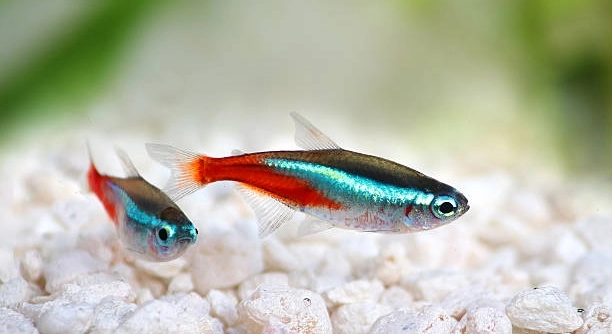
Are your tetras acting skittish or hiding more than usual in their tank, leaving you unsure of what might be wrong?
Tetras feel threatened by sudden movements, bright lights, overcrowding, aggressive tank mates, poor water quality, loud noises, and the lack of hiding spaces. These stressors can affect their behavior, health, and overall well-being significantly.
Understanding these triggers will help you create a safer environment that keeps your tetras calm, comfortable, and thriving in their home.
Sudden Movements Around the Tank
Tetras are sensitive to motion and can react quickly to fast or unexpected movements near their aquarium. Even small changes, like someone walking past too quickly or a hand reaching into the tank suddenly, can trigger a fear response. This stress may cause them to dart around, hide, or freeze in place. Over time, repeated exposure to sudden movements can make them more anxious and weaken their immune systems. It’s important to keep their tank in a low-traffic area of the home, away from doorways or busy spots. When you need to clean or feed, try to approach slowly and calmly so they don’t feel attacked. A calm space will help them feel secure and reduce unnecessary stress. Keeping the environment steady helps them remain active and social, which is a sign of good health in tetra fish.
Fast motions make tetras feel unsafe. Too much of this can harm their behavior, health, and confidence.
Give them time to adapt to your presence. Regular, calm interactions can build trust and ease their fear of movement.
Aggressive Tank Mates
Tetras do not cope well with aggressive fish. When housed with larger or more territorial species, they may feel constantly unsafe. This stress can lead to hiding, erratic swimming, or loss of appetite. Choosing the right tank mates is important for their overall health.
Keeping tetras with peaceful species like guppies, rasboras, or corydoras is best. Avoid placing them with fin-nippers or highly active fish that chase or dominate the space. Aggressive tank mates can take over feeding areas, causing tetras to miss meals. They may also chase tetras away from their preferred swimming zones. If your tetra appears to stay in corners or behind plants constantly, this could be a sign of fear. Watch for torn fins or unusual behaviors, and separate them if needed. Creating a balanced community with peaceful species will allow your tetras to display their natural schooling behavior, which is a good sign they feel comfortable and safe.
Poor Water Quality
Tetras are very sensitive to water changes. High ammonia or nitrite levels, low oxygen, and unstable temperatures make them feel unsafe and stressed. Poor water quality can cause illness, hiding, and dull coloring in your tetras.
Keep the water clean with regular partial water changes. Use a test kit weekly to monitor ammonia, nitrite, nitrate, and pH levels. Tetras prefer stable conditions—around 76°F, slightly acidic water (pH 6.5–7), and good oxygen flow. A filter that suits your tank size helps maintain healthy water. Avoid sudden temperature shifts or overfeeding, which can cause spikes in ammonia. If your tetras are gasping at the surface or hiding constantly, it might be due to poor water. Consistent maintenance keeps their stress levels low and supports active, colorful behavior.
Give them a stable, healthy tank by cleaning it regularly and checking the water parameters. It’s one of the most important things for their health.
Bright or Harsh Lighting
Harsh lighting makes tetras feel exposed and vulnerable. Since they are small and naturally shy, too much light can make them uncomfortable. It may lead them to hide constantly or avoid open areas in the tank.
Use gentle lighting to match their natural environment. Dim, soft lighting helps them feel relaxed and safe. You can also add floating plants like duckweed or frogbit to diffuse strong light and give them shade. Keep lights on a timer—8 to 10 hours a day is enough. Avoid turning lights on suddenly, especially in a dark room. That sudden change can startle them. Letting room light gradually brighten before the tank lights come on can help. Tetras show better color and activity in a comfortable setting. Proper lighting not only reduces their stress but also helps plants grow well, which adds to their sense of security.
Loud Noises Nearby
Tetras can hear low-frequency sounds and feel vibrations through the water. Loud music, banging, or constant noise near the tank can startle them and cause ongoing stress. They may hide more often or swim erratically if the noise doesn’t stop.
Avoid placing the tank near speakers, slamming doors, or high-traffic areas. Try to keep noise levels low and steady. Even loud conversations too close to the tank can disturb them.
Lack of Hiding Spaces
Tetras need safe spots to rest and retreat. Without hiding spaces, they feel exposed and uneasy. Plants, driftwood, and decorations help them relax and feel secure. Use live or silk plants and arrange them to create shady areas. They’ll come out more once they feel protected.
Overcrowded Tank
Too many fish in one tank causes stress and makes it hard for tetras to claim space. It can also lead to poor water quality. Keep your tank lightly stocked to let your tetras swim freely and stay healthy.
What causes tetras to feel threatened?
Tetras feel threatened mainly by sudden movements, loud noises, aggressive tank mates, poor water quality, harsh lighting, lack of hiding spots, and overcrowding. Each of these factors can cause stress, which affects their health and behavior. Creating a calm, stable environment reduces their anxiety and helps them thrive.
How can I reduce stress caused by sudden movements?
Approach the tank slowly and avoid quick hand movements near the glass. Place the aquarium in a low-traffic area where fewer people pass by. Regular, gentle interaction can help tetras get used to your presence and feel less startled. Avoid tapping on the glass or sudden changes in the surroundings.
What are signs that tetras feel threatened?
Common signs include hiding frequently, darting around the tank, loss of appetite, dull colors, and sluggish or erratic swimming. If you notice torn fins or constant skittish behavior, it’s a sign they are stressed or feeling unsafe. Addressing their environment usually helps improve their condition.
How often should I test my tank’s water quality?
It’s best to test your tank water weekly for ammonia, nitrites, nitrates, and pH levels. Tetras need clean, stable water conditions to stay healthy. Regular testing helps you catch issues early and prevent stress caused by poor water quality.
Can tank lighting affect tetra behavior?
Yes, bright or harsh lighting can make tetras feel exposed and nervous. They prefer dim or diffused light, similar to their natural environment. Adding plants or floating decorations to create shade can help them feel safer and encourage more natural behavior.
What kind of tank mates are best for tetras?
Peaceful, small fish that won’t chase or harass your tetras are ideal. Good options include guppies, rasboras, and corydoras catfish. Avoid larger, aggressive fish or fin-nippers, as these can cause stress and injuries to your tetras.
Why do tetras need hiding places?
Hiding spots allow tetras to feel secure and reduce stress. When they have places to retreat, they rest better and show more natural behaviors. Plants, driftwood, and decorations provide cover and comfort, helping your fish stay calm.
How can I manage noise around my aquarium?
Keep your tank away from speakers, doors, and busy areas to minimize vibrations and loud sounds. Maintain a quiet environment near the aquarium to prevent startling your tetras. Even consistent household noise can be unsettling if it’s too loud or sudden.
What happens if the tank is overcrowded?
Overcrowding leads to competition for space and food, poor water quality, and increased stress. This can cause health problems and aggressive behavior. Maintaining a proper fish-to-tank-size ratio ensures your tetras have enough room to swim freely and stay healthy.
How important is temperature stability for tetras?
Very important. Sudden temperature changes can shock tetras and weaken their immune system. Keep the water temperature steady, ideally between 74°F and 78°F, using a reliable heater and thermometer. This stability helps reduce stress and supports their overall well-being.
Can feeding habits affect tetra stress levels?
Yes, inconsistent feeding or overfeeding can stress tetras. Overfeeding pollutes the water, while irregular feeding leaves them hungry and anxious. Feed small amounts once or twice daily and remove uneaten food promptly to keep the water clean and your tetras healthy.
What are common mistakes that cause tetra stress?
Common mistakes include placing the tank in noisy or high-traffic areas, using bright lighting, mixing aggressive fish, neglecting water quality, and overcrowding. Being aware of these factors and making adjustments helps keep tetras calm and healthy.
How long does it take for tetras to adjust to a new environment?
Tetras usually take several days to a week to settle into a new tank. Providing hiding spots, stable water conditions, and a calm environment speeds up this process. Avoid disturbing the tank too much during this time to help them feel secure.
Is it necessary to quarantine new fish before adding them to the tank?
Yes, quarantining new fish helps prevent disease and stress. A separate quarantine tank for two to four weeks lets you monitor new arrivals for illness before introducing them to your tetras. This protects the whole community and reduces stress caused by infections.
How can I tell if my tetras are happy and stress-free?
Happy tetras swim actively in groups, show bright colors, eat well, and explore their tank confidently. They won’t hide constantly or act skittish. Seeing them interact peacefully with tank mates is also a good sign that they feel safe.
Tetras are small, delicate fish that respond strongly to their environment. Their behavior can tell you a lot about how comfortable or threatened they feel. By paying attention to common stress factors, such as sudden movements, poor water quality, or aggressive tank mates, you can make changes that help them feel safer. Creating a calm, stable tank with good water conditions, gentle lighting, and plenty of hiding spaces is essential. These adjustments make a big difference in how your tetras behave and stay healthy.
It is important to remember that tetras rely on their environment to feel secure. Loud noises or overcrowded tanks can cause them to become nervous or hide. Maintaining a peaceful and well-balanced tank not only reduces their stress but also supports their immune system, which helps prevent illness. Routine care like regular water testing, feeding proper amounts of food, and avoiding sudden changes in the tank helps keep them calm. When tetras feel safe, they swim more actively, show brighter colors, and display natural schooling behavior.
Keeping tetras happy and stress-free requires consistent attention and care. While it may take some time to learn their specific needs, the effort is worthwhile. A healthy, calm tetra is a sign that your tank environment is working well. Remember, small changes like soft lighting or fewer aggressive fish can improve their quality of life significantly. Being patient and observant will help you enjoy your tetras for years to come, providing them with a safe and comfortable home.

Hello,
If you enjoy the content that we create, please consider saying a "Thank You!" by leaving a tip.
Every little bit helps us continue crafting quality advice that supports the health, happiness, and well-being of pets around the world, for pets of all shapes, sizes, and species.
We really appreciate the kindness and support that you show us!