
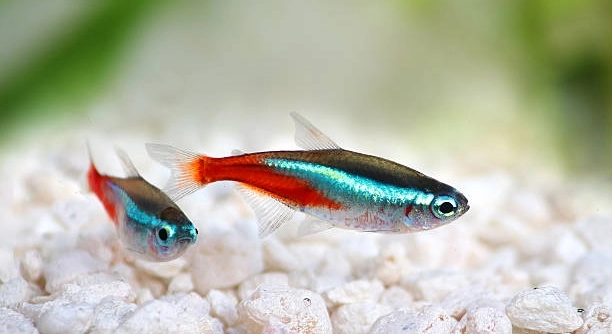
Slow growth in tetra fry is a common concern among fishkeepers. These tiny fish need proper care and conditions to thrive well. Understanding why their growth slows down helps improve their health and development.
Slow growth in tetra fry can result from several key factors including poor water quality, inadequate nutrition, overcrowding, insufficient lighting, temperature fluctuations, disease presence, and genetic issues. Each factor directly affects the fry’s ability to develop at a normal rate.
Knowing these causes can help you create a better environment for your tetra fry. This guide will explain each factor clearly and simply.
Poor Water Quality
Maintaining good water quality is essential for the healthy growth of tetra fry. Dirty or unbalanced water can stress the fry, making it hard for them to grow properly. Waste from the fish, leftover food, and decaying plants release harmful substances like ammonia and nitrites. These toxins damage the delicate gills and skin of the fry, reducing their ability to breathe and absorb nutrients. Water that is too hard or too soft, or with the wrong pH level, can also slow growth. Regular water changes and proper filtration keep the environment clean and stable. Monitoring water parameters ensures the conditions are suitable for the fry to develop without unnecessary stress. In addition, sudden changes in water conditions can shock the fish, causing setbacks in growth. Keeping the water consistent and clean gives the fry the best chance to grow strong and healthy.
Poor water quality often leads to health problems that slow down fry growth.
Taking the time to test and adjust water conditions regularly will help avoid many issues. Using a good filter and changing 20-30% of the water weekly keeps the tank fresh. Avoid overcrowding, which increases waste and pollution. Using dechlorinated water and maintaining stable temperature and pH levels further supports growth. This steady environment allows the tetra fry to focus energy on developing rather than fighting off stress or disease caused by poor water conditions.
Inadequate Nutrition
Tetra fry require balanced nutrition to grow at a healthy rate. Feeding them the wrong food or not enough food leads to slow development. Fry need tiny, protein-rich meals multiple times a day. Live foods such as infusoria, baby brine shrimp, or micro worms are ideal because they provide essential nutrients and stimulate natural feeding behavior. Flake or powdered fry food can be used but may lack some nutritional value compared to live options. Overfeeding can cause water pollution and health problems, so portion control is important. If the fry do not get enough vitamins and minerals, their immune systems weaken, and growth slows. Feeding schedules and food types must be carefully managed to support their rapid growth phase. A varied diet improves their chances of growing into healthy adult tetras.
Proper feeding helps fry grow steadily and build strong bodies.
Choosing the right food and feeding often in small amounts ensures the fry get the nutrients they need. Avoid uneaten food that pollutes the water. Keep an eye on the fry’s behavior and size to adjust feeding as needed. Quality nutrition fuels their growth and improves survival rates in the critical early stages.
Overcrowding
Too many tetra fry in one tank limits their space to swim and access to food. Overcrowding increases stress and competition, which slows growth and can lead to illness.
When fry are packed tightly, they struggle to get enough oxygen and nutrients. Waste builds up quickly, making water quality worse and creating an unhealthy environment. Stress from constant competition weakens their immune systems, making them more prone to disease. Fry may become timid or stop eating properly due to stress, further delaying growth. A spacious tank with fewer fry allows each fish enough room to grow and develop naturally.
Separating fry into smaller groups or using larger tanks can improve their health and growth. Proper stocking density balances their needs for space and social interaction. This way, fry have enough room to swim freely and find food without stress.
Temperature Fluctuations
Stable temperature is vital for tetra fry growth. Sudden changes cause stress and slow metabolism, which affects development.
Tetra fry grow best in water temperatures between 75°F and 80°F (24°C to 27°C). Temperature swings outside this range shock the fry, lowering their energy and appetite. Consistent warmth supports digestion and immune function, helping fry grow steadily. Using a reliable heater and monitoring temperature daily helps maintain a steady environment. Avoid placing tanks near windows or drafts that cause fluctuations. Even a small drop in temperature can make fry more vulnerable to disease and stunt growth. Maintaining a stable temperature encourages healthy activity and feeding behavior, promoting faster growth.
Insufficient Lighting
Tetra fry need moderate lighting to support their growth and activity. Too little light can make them less active and slow their development.
Excessive light stresses the fry and may cause algae growth, which lowers water quality. A balanced light cycle, around 10–12 hours a day, helps keep fry healthy and active.
Disease Presence
Diseases can stunt the growth of tetra fry by draining their energy and weakening their bodies. Common infections include bacterial, fungal, and parasitic diseases.
Preventing disease involves maintaining clean water, avoiding overcrowding, and quarantining new fish. Early detection and treatment improve the chances of recovery and healthy growth.
Genetic Factors
Genetics play a role in how fast tetra fry grow and their maximum size. Some strains naturally develop slower or stay smaller than others.
Selective breeding can improve growth rates over time but cannot fully eliminate genetic limitations.
FAQ
Why is my tetra fry growing slower than expected?
Slow growth in tetra fry is often caused by factors like poor water quality, inadequate nutrition, overcrowding, or unstable temperature. Stress from these conditions reduces their ability to eat and digest food properly, which directly slows development. Checking and improving these areas usually helps fry grow faster.
How often should I feed tetra fry to support growth?
Tetra fry need to be fed small amounts frequently—about three to five times a day. Their tiny mouths require frequent meals rich in protein, such as live foods or specialized fry flakes. Avoid overfeeding, as uneaten food can pollute the water and harm growth.
What is the ideal water temperature for tetra fry?
The best temperature range for tetra fry growth is between 75°F and 80°F (24°C to 27°C). Maintaining this stable temperature supports digestion, immune health, and activity levels. Sudden drops or rises can cause stress and stunt growth.
How can overcrowding affect the growth of tetra fry?
Overcrowding limits swimming space and access to food, causing stress and competition. This environment increases waste buildup and lowers water quality, further harming the fry. Giving them enough room improves their health and encourages better growth.
Can poor water quality really slow down fry growth?
Yes, poor water quality means harmful substances like ammonia or nitrites build up, which can damage the fry’s gills and weaken them. Dirty water also encourages disease. Keeping water clean with regular changes and good filtration is crucial.
Are live foods necessary for tetra fry growth?
Live foods such as baby brine shrimp or infusoria are very beneficial because they provide essential nutrients and encourage natural feeding behavior. While powdered or flake foods can work, live foods generally support faster and healthier growth.
How important is lighting for tetra fry?
Moderate lighting helps regulate activity and feeding patterns. Too little light makes fry inactive and slow-growing, while too much light causes stress and algae growth. A balanced light cycle of about 10–12 hours daily is ideal.
Can diseases stunt the growth of tetra fry?
Diseases, especially bacterial or parasitic infections, weaken fry by using their energy for healing instead of growing. Good tank hygiene, quarantine procedures, and early treatment are key to preventing and controlling disease.
Is genetics a big factor in how fast tetra fry grow?
Genetics influence growth rate and adult size. Some strains naturally develop slower or smaller. While good care improves growth, genetic limits cannot be changed. Selective breeding can help improve growth traits over time.
How do I prevent temperature fluctuations in my tetra fry tank?
Use a reliable heater and keep the tank away from windows, vents, or drafts that cause sudden temperature changes. Monitor the temperature daily to ensure it stays within the ideal range. Consistency is important to avoid stress on the fry.
What are the signs that my tetra fry are stressed?
Signs include reduced movement, hiding, loss of appetite, or erratic swimming. Stress usually results from poor water conditions, overcrowding, or temperature problems. Addressing these causes quickly helps fry recover and grow properly.
How often should I change water in a tetra fry tank?
Change about 20-30% of the water weekly to maintain cleanliness without shocking the fry. Use dechlorinated water at the same temperature to avoid stress. Frequent small changes are better than rare large ones.
Can overfeeding cause slow growth?
Overfeeding doesn’t directly cause slow growth but leads to poor water quality, which harms fry health. Excess food decays and raises toxins in the tank, causing stress and illness. Feed small portions and remove leftovers promptly.
What is the best way to introduce new fry to the tank?
Quarantine new fry in a separate tank for a week to prevent spreading disease. Ensure the quarantine tank has stable water conditions. Afterward, gradually acclimate them to the main tank’s temperature and water chemistry.
How long does it take for tetra fry to grow fully?
Tetra fry usually take 6 to 8 weeks to reach juvenile size under good conditions. Growth speed depends on water quality, nutrition, and genetics. Proper care speeds this process, while problems cause delays.
Final thoughts on the slow growth of tetra fry highlight how important proper care is during their early life stages. Small mistakes in water quality, feeding, or tank setup can easily cause growth to slow down. It is natural to want your fry to grow quickly and stay healthy, but growth depends on many factors working together. Keeping water clean and stable, feeding the right foods in proper amounts, and avoiding overcrowding are simple yet effective steps. These basics create an environment where tetra fry can grow steadily and avoid common problems. Patience is also important because growth takes time, and rushing or changing things too quickly can cause stress.
It is easy to overlook small details that affect growth, such as water temperature or lighting. These factors might seem minor but have a big impact on the fry’s metabolism and activity. Keeping the water at a steady temperature between 75°F and 80°F helps the fry digest food and stay active. Moderate lighting encourages natural behavior and keeps the tank environment healthy. Poor water quality from overfeeding or overcrowding leads to toxins and disease that slow growth or even cause death. By regularly testing water and adjusting conditions, you give your fry the best chance to develop normally. Learning about each factor helps prevent frustration and loss, which many who keep tetra fry face at some point.
In the end, the key to healthy growth is balance. No single factor works alone; water, food, space, and care all matter. Taking time to observe your fry and their environment will help you notice when something is wrong. Early attention to problems avoids bigger setbacks later on. While genetics play a role in growth rate, most slow growth issues can be fixed by improving care. Watching tetra fry grow is rewarding, and with steady care, they will develop into lively and colorful fish. Consistency, patience, and knowledge are your best tools for helping your tetra fry grow strong and healthy.

Hello,
If you enjoy the content that we create, please consider saying a "Thank You!" by leaving a tip.
Every little bit helps us continue crafting quality advice that supports the health, happiness, and well-being of pets around the world, for pets of all shapes, sizes, and species.
We really appreciate the kindness and support that you show us!