
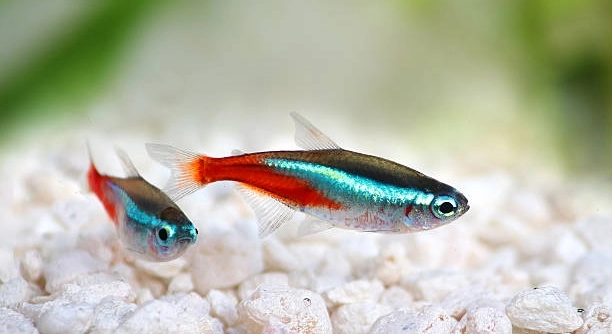
Are your tetra fish looking less lively or their colors fading? Keeping your tank conditions right is important for their health. Sometimes small changes in the water or environment can affect how they feel and behave.
Poor tank conditions can cause stress, illness, and even death in tetra fish. Factors like incorrect water temperature, high ammonia levels, or improper filtration directly harm their well-being. Monitoring these conditions helps prevent problems and keeps tetras healthy.
Knowing the signs that your tank is not right for your tetras can save them from serious harm. Paying attention early means you can fix issues before they get worse and help your fish thrive.
Cloudy or Dirty Water
Cloudy or dirty water is often the first sign that tank conditions might be harming your tetras. When water looks murky or discolored, it usually means waste and uneaten food are building up. These substances break down and release harmful chemicals like ammonia and nitrites, which can stress your fish. Even if your tank looks fine on the surface, water quality might be poor beneath. Regular water changes and proper filtration are key to keeping the water clear and safe. Neglecting these tasks can lead to rapid health decline in your tetras, making them more vulnerable to disease. Maintaining clean water creates a stable and comfortable home for your fish, allowing them to swim freely and display their natural colors.
Cloudy water can also reduce oxygen levels, making it harder for tetras to breathe.
Keeping the tank clean by changing 20-30% of the water weekly and using a reliable filter helps maintain clarity. Test water regularly for ammonia, nitrites, and nitrates. Avoid overfeeding, as leftover food causes cloudiness. Using a gravel vacuum removes debris from the substrate, which also prevents waste buildup. Clear water supports your tetras’ health and reduces stress, making it easier for them to thrive and stay active in the tank environment.
Erratic Swimming Behavior
Erratic swimming, such as darting around or crashing into tank decorations, often signals stress or discomfort in your tetras. Poor water quality, sudden changes in temperature, or high ammonia levels can cause this behavior. It may also indicate a lack of oxygen or illness. Tetras are sensitive fish and will react quickly when conditions are not right. You might notice them hiding more or gasping near the surface for air. This behavior should not be ignored because it often precedes more serious health issues.
Erratic swimming usually means your tetra needs immediate care.
To address this, start by testing water parameters and performing partial water changes. Ensure the tank temperature remains stable, ideally between 72-78°F (22-26°C). Avoid overcrowding the tank to reduce stress. Check the filter to confirm it is working well, as poor filtration leads to toxic water. Additionally, observe your fish closely for signs of disease like white spots or fin damage. Creating a calm and stable environment helps reduce erratic swimming and promotes recovery. When conditions improve, your tetras will return to their smooth, graceful movements, showing they feel safe and healthy in their home.
Loss of Appetite
A sudden loss of appetite is a clear sign your tetras are struggling. When fish stop eating, it often means something in their environment is wrong or they may be sick.
Loss of appetite in tetras can result from poor water quality, stress, or disease. If the tank water contains high levels of toxins like ammonia or nitrites, fish will lose interest in food. Stress from overcrowding or sudden changes in temperature also affects their desire to eat. Sometimes parasites or infections cause fish to refuse food, making early detection important.
To help your tetras regain their appetite, check the water quality first. Perform partial water changes if needed and maintain proper filtration. Make sure tank conditions are stable and avoid sudden changes. If the fish continue to refuse food, consider consulting a vet or aquarium specialist for possible treatments. Proper care will encourage your tetras to eat and regain strength.
Faded Colors
Faded or dull colors are a common sign that tetras are unhealthy. Healthy tetras usually show bright, vibrant colors.
Color loss often points to stress or poor tank conditions. Low oxygen, improper lighting, or unhealthy water can dull their colors over time. Stress weakens their immune systems, making color loss more likely. Some illnesses also cause color changes. It’s important to act quickly when you notice this sign.
Improving tank conditions can restore their colors. Keep the water clean and well-oxygenated. Maintain the right temperature and provide proper lighting that mimics their natural environment. Avoid overcrowding and aggressive tank mates that might stress your fish. A well-balanced diet also supports vibrant colors. Paying attention to these details helps your tetras look and feel their best every day.
Gasping at the Surface
When tetras gasp at the water surface, it usually means oxygen levels are low. Poor aeration or overstocking can reduce available oxygen in the tank.
This behavior shows your fish are struggling to breathe and need immediate attention.
Excessive Algae Growth
Excessive algae growth can harm your tetra’s environment. It often results from too much light or excess nutrients in the water. Algae compete for oxygen and release waste that lowers water quality. Overfeeding also contributes by increasing leftover food and waste.
Controlling light exposure and feeding amounts helps manage algae. Regular cleaning and water changes are essential to keep the tank balanced. Using live plants can reduce algae growth by competing for nutrients. Keeping algae under control supports healthier water and happier fish.
Clamped Fins
Clamped fins, where a tetra holds its fins close to its body, indicate stress or illness. This sign shows discomfort and should not be ignored.
How often should I change the water in my tetra tank?
Regular water changes are essential to keep your tetra tank healthy. Ideally, you should change 20-30% of the water every week. This helps remove waste, toxins, and excess nutrients that build up over time. Avoid changing all the water at once, as it can shock your fish by suddenly altering their environment. Frequent partial changes keep the water stable and clean, reducing stress and promoting good health for your tetras.
What water temperature is best for tetras?
Tetras thrive in temperatures between 72°F and 78°F (22°C to 26°C). Consistency is key—sudden temperature shifts can stress your fish and weaken their immune systems. Using a reliable aquarium heater and thermometer helps maintain a steady temperature. Avoid placing the tank near drafts, heaters, or windows where temperatures can fluctuate.
What causes cloudy water in a tetra tank?
Cloudy water often results from bacterial blooms, excess waste, or leftover food decomposing in the tank. Overfeeding and insufficient filtration are common reasons. To clear cloudy water, perform partial water changes, clean the filter, and avoid feeding more than your fish can eat in a few minutes. Gravel vacuuming can also remove trapped debris and help keep the water clear.
Why are my tetras swimming erratically?
Erratic swimming is usually a sign of stress caused by poor water quality, low oxygen levels, or illness. Check ammonia, nitrite, and nitrate levels immediately. Also, make sure the tank temperature is stable and the filter is functioning well. Overcrowding or aggressive tank mates can also cause stress, leading to unusual swimming patterns.
How can I prevent algae growth in my tetra tank?
Control algae by limiting the amount of light your tank receives to 8-10 hours a day. Avoid overfeeding, as excess food provides nutrients algae need to grow. Regular water changes and tank cleaning help keep algae under control. Adding live plants can compete with algae for nutrients, reducing its growth naturally.
What should I do if my tetras have clamped fins?
Clamped fins often indicate stress or illness. Start by testing your water for toxins like ammonia and nitrites. Perform a partial water change if levels are high. Check for signs of disease such as spots or discoloration and isolate affected fish if possible. Improving water quality and maintaining stable tank conditions can help your tetras recover.
Can overfeeding harm my tetras?
Yes, overfeeding is a common cause of poor water quality and health problems in tetras. Uneaten food decomposes and raises ammonia levels, which is toxic to fish. Feed small amounts that your fish can finish in 2-3 minutes once or twice daily. This keeps the tank cleaner and your tetras healthier.
Why are my tetras losing their color?
Faded colors usually mean your tetras are stressed or unhealthy. Poor water quality, wrong temperature, and inadequate nutrition can dull their colors. Ensure water parameters are within the ideal range, feed a varied diet, and reduce stress by avoiding overcrowding and aggressive tank mates. When conditions improve, colors often return.
Is it necessary to have a filter in a tetra tank?
Yes, a filter is important for maintaining good water quality. It removes waste and toxins, circulates oxygen, and helps balance the tank environment. Without proper filtration, harmful chemicals build up quickly, causing stress and illness. Choose a filter suitable for your tank size and clean it regularly to keep it working efficiently.
How can I tell if my tetras are stressed?
Signs of stress include clamped fins, faded colors, loss of appetite, erratic swimming, and gasping at the surface. Stress is often caused by poor water quality, improper temperature, overcrowding, or aggressive tank mates. Addressing these factors promptly can help your fish recover and avoid serious health problems.
What type of diet is best for tetras?
Tetras do well on a varied diet including high-quality flakes, frozen or live foods like brine shrimp or bloodworms. Providing a mix ensures they get essential nutrients for color, growth, and health. Avoid overfeeding and remove uneaten food promptly to maintain clean water conditions.
How do I test the water in my tetra tank?
Use a reliable aquarium test kit to check ammonia, nitrite, nitrate, and pH levels regularly. These kits are easy to use and give quick results. Monitoring water parameters helps catch problems early, allowing you to take action before your fish become sick.
Can sudden changes in water cause problems for tetras?
Yes, sudden changes in water chemistry or temperature can shock your fish, leading to stress or death. Always make changes slowly, such as adding new water gradually during changes. Avoid mixing water with very different temperatures or pH levels without conditioning it first.
What is the best way to introduce new tetras to an established tank?
Acclimate new tetras slowly by floating their bag in the tank water to match temperatures. Then gradually add small amounts of tank water into the bag over 30-60 minutes before releasing the fish. This helps reduce shock and allows them to adjust to the new environment safely.
When keeping tetras, paying attention to their tank conditions is very important. Many problems that affect these fish come from water quality and the environment they live in. Clean water, the right temperature, and a well-maintained tank help keep tetras healthy and active. By regularly checking the water and watching for signs of trouble, you can avoid many common issues. Simple steps like changing water, controlling algae, and feeding the right amount make a big difference. Taking care of these basics helps your fish live longer and look better.
Tetras are sensitive to changes, so small problems can quickly affect them. When their colors fade, they swim oddly, or they stop eating, it is often a sign that something in the tank is wrong. Acting fast to improve the conditions can prevent stress and illness. Keeping the tank stable means controlling temperature, maintaining proper filtration, and making sure the tank isn’t overcrowded. Also, paying attention to their behavior is important. The more you notice early signs, the easier it is to fix problems before they become serious.
Finally, caring for tetras is about creating a balanced and comfortable home. This means not only clean water but also providing a good diet and a peaceful environment. Avoid overfeeding and overstocking to keep the water healthy. Using live plants or decorations can make the tank more natural and help reduce algae. Every small effort adds up to a better life for your tetras. With consistent care and attention, your fish will stay happy, showing their bright colors and lively movements day after day.

Hello,
If you enjoy the content that we create, please consider saying a "Thank You!" by leaving a tip.
Every little bit helps us continue crafting quality advice that supports the health, happiness, and well-being of pets around the world, for pets of all shapes, sizes, and species.
We really appreciate the kindness and support that you show us!