
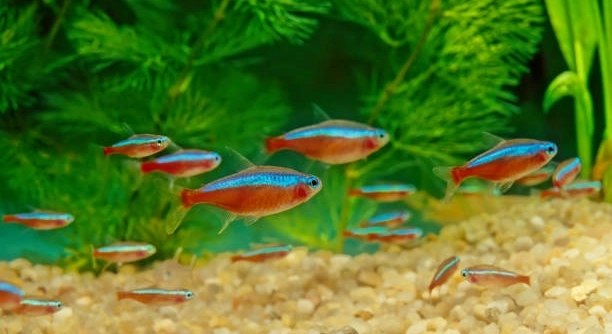
Creating a thriving tetra community requires understanding their social and environmental needs. These small, colorful fish bring life to any aquarium but need specific care to live harmoniously. Proper setup can lead to a healthy, active group.
Building the perfect tetra community involves selecting compatible species, maintaining clean water conditions, providing adequate space, and ensuring balanced nutrition. Additionally, stable temperature and peaceful tank mates are essential to minimize stress and promote natural behavior in the fish.
These guidelines will help you create a balanced environment where your tetras can flourish and remain vibrant for years to come.
Choosing Compatible Tetra Species
Selecting the right tetra species is crucial for a peaceful community tank. Not all tetras get along, so it’s important to research their temperaments and sizes. For example, neon tetras are peaceful and do well with other small, non-aggressive fish. Avoid mixing species that are known to nip fins or display aggressive behavior. Keeping species with similar water and temperature needs simplifies tank maintenance and reduces stress. Compatibility helps prevent fighting and ensures your fish can coexist comfortably.
Different species also add variety and color, but balance is key. It’s better to have fewer types that get along well than many that cause tension. When introducing new tetras, observe their behavior closely for signs of aggression. Acting quickly to separate aggressive fish can save the community from harm.
Remember, a harmonious group begins with careful selection. The right combination encourages natural schooling behavior and vibrant activity, making your aquarium a lively and peaceful place.
Maintaining Clean Water
Regular water changes and filtration are essential to keep your tetra community healthy. Clean water reduces stress and prevents diseases. Using a reliable filter that suits your tank size helps maintain water clarity and quality. Testing water parameters often allows you to catch issues early before they affect your fish.
Keeping ammonia and nitrate levels low supports fish health. It’s best to change about 20-25% of the water weekly to keep the environment stable. Avoid overfeeding as leftover food can pollute the water and harm your tetras.
Proper water care supports your tetra’s immune system and encourages natural behavior, making your tank easier to manage overall.
Providing Adequate Space
Tetras need room to swim freely and form natural schools. Overcrowding stresses fish and increases waste, which can lead to water quality problems. A general guideline is one gallon of water per inch of fish, but larger tanks provide a more stable environment. When you give your tetras enough space, they show more natural and lively behaviors, like schooling and exploring.
Aquarium decorations and plants create hiding spots and break lines of sight, reducing aggression. Use live or artificial plants to mimic a natural habitat. Avoid sharp or rough decorations that could injure delicate fins.
Regularly monitor the tank population to ensure it stays within a comfortable limit. Spacing and environment both contribute to your tetra community’s overall health and happiness.
Balanced Nutrition for Tetras
Feeding your tetras a varied diet ensures they get all necessary nutrients. Quality flakes, frozen or live foods like brine shrimp and daphnia, support their health and color.
A balanced diet prevents deficiencies and promotes growth. Flakes are convenient but supplementing with live or frozen foods adds protein and variety. Avoid overfeeding, as excess food can pollute the tank and harm water quality. Feed small amounts two to three times daily, only what they can eat in a few minutes. This routine supports digestion and reduces waste buildup.
Healthy nutrition helps your tetras maintain vibrant colors and active behavior. It also strengthens their immune system, making them less prone to illness. Adjust feeding based on their activity and tank conditions for best results.
Stable Temperature Control
Maintaining a consistent temperature between 72°F and 78°F is ideal for most tetra species. Fluctuations cause stress and weaken their immune systems.
Use a reliable heater with a thermostat to keep the temperature steady. Monitor the water temperature daily, especially during seasonal changes. Sudden drops or spikes can lead to health problems and affect their behavior. If the room temperature varies greatly, consider insulating the tank or using a heater with precise controls.
Stable temperature also supports proper metabolism and digestion. It helps your tetras remain energetic and comfortable, reducing the risk of disease. Proper temperature control creates a safe environment where your fish thrive naturally.
Peaceful Tank Mates
Choosing calm, non-aggressive fish prevents stress in your tetra community. Avoid larger or territorial species that may bully your tetras.
Small, peaceful fish like corydoras catfish or rasboras are good companions. They share similar water needs and won’t disturb the tetras’ natural schooling behavior.
Regular Observation
Watch your fish daily for signs of illness or stress. Early detection helps prevent serious problems.
Look for changes in behavior, appetite, or appearance. Healthy tetras swim actively and display vibrant colors.
Proper Lighting
Moderate lighting helps simulate a natural environment. Too much light can stress fish and encourage algae growth.
Use a timer to maintain a consistent day-night cycle. This supports your tetra’s regular activity and rest patterns.
Tank Decoration
Provide plants and hiding spots to create a comfortable space. Avoid overcrowding decorations to leave room for swimming.
Natural décor helps reduce stress and encourages natural behaviors.
FAQ
How many tetras should I keep together?
Tetras are schooling fish and feel safest in groups. It’s best to keep at least six tetras together. Smaller groups can cause stress and lead to shy behavior. Larger groups allow natural social interactions and reduce aggression. However, avoid overcrowding, which harms water quality and causes stress.
What water parameters are ideal for tetras?
Tetras prefer soft to moderately hard water with a pH between 6.0 and 7.5. Temperature should stay between 72°F and 78°F. Ammonia and nitrite levels must be zero, and nitrate should stay below 20 ppm. Regular testing ensures stable conditions and prevents health issues.
Can tetras live with other fish?
Yes, tetras can share tanks with peaceful species like corydoras, guppies, and rasboras. Avoid aggressive or large fish that might bully or eat them. Compatibility depends on temperament and similar water requirements. Always monitor new tank mates closely.
How often should I feed my tetras?
Feed small amounts two to three times daily. Only provide what they can eat within a few minutes to prevent leftover food polluting the water. A varied diet of flakes, frozen, or live foods helps maintain their health and coloration.
What signs show tetras are stressed?
Stress signs include hiding excessively, loss of color, erratic swimming, or reduced appetite. Stress often results from poor water quality, aggressive tank mates, or sudden changes in environment. Acting quickly to fix these issues helps prevent disease.
How can I prevent common diseases in tetras?
Maintain clean water with regular changes and proper filtration. Avoid overcrowding and keep temperature stable. Quarantine new fish before adding them to your tank. Providing a balanced diet and reducing stress also supports their immune system.
Is live or artificial plant better for a tetra tank?
Both have benefits. Live plants improve water quality by absorbing nitrates and provide a natural environment. Artificial plants require less maintenance and won’t affect water chemistry. Choose based on your care routine and tank setup.
How do I introduce new tetras to an established tank?
Acclimate new fish slowly by floating their bag in the tank to match temperature. Gradually mix tank water into the bag over an hour. This reduces shock and helps them adjust to water chemistry. Introduce them gently to avoid disturbing current inhabitants.
Why are my tetras losing color?
Fading colors often indicate stress, poor diet, or illness. Ensure water parameters are stable and provide high-quality food. Stress from bullying or inadequate environment can also dull their colors. Improving conditions usually restores their vibrant hues.
Can tetras breed in a community tank?
Tetras may breed if conditions are right, but community tanks often make it hard to protect eggs and fry. They scatter eggs among plants, and adults may eat them. To breed successfully, a separate breeding tank with controlled conditions is recommended.
How long do tetras typically live?
With proper care, tetras usually live three to five years. Good water quality, balanced diet, and stress-free environment extend their lifespan. Neglect or poor conditions shorten their lives significantly.
What is the best way to clean a tetra tank?
Perform partial water changes weekly, about 20-25%. Use a gravel vacuum to remove debris. Clean the filter monthly without harsh chemicals. Avoid over-cleaning to preserve beneficial bacteria vital for tank health.
How important is tank cycling before adding tetras?
Cycling establishes beneficial bacteria that break down waste, preventing toxic buildup. Adding tetras before cycling risks ammonia poisoning. Fully cycle your tank by monitoring ammonia, nitrite, and nitrate levels to ensure a safe environment for your fish.
Why are my tetras hiding a lot?
Hiding can signal stress or illness but is also normal during rest or when new fish are introduced. Check water conditions and tank mates. Providing adequate hiding spots helps them feel secure.
Can tetras live in a small tank?
Small tanks limit swimming space and increase waste concentration, stressing tetras. A minimum of 10 gallons is recommended for a small group. Larger tanks provide a more stable environment and healthier fish.
How do I handle aggressive behavior in a tetra tank?
Identify and separate aggressive individuals if needed. Increase tank size or rearrange decorations to reduce territorial behavior. Ensure schooling groups are large enough. Avoid mixing incompatible species. Consistent water quality and proper feeding also help reduce aggression.
Creating a successful tetra community takes attention to detail and consistent care. Understanding your fish’s needs is the foundation. Choosing compatible species, maintaining clean water, and providing proper nutrition are essential steps. Each element works together to create a stable and healthy environment where tetras can thrive. When these basics are in place, your fish will show natural behaviors, vibrant colors, and good health.
Temperature and tank mates play important roles as well. Keeping the water at a steady temperature helps reduce stress and supports your tetras’ immune systems. Selecting peaceful companions prevents aggression and competition. A well-planned community allows all fish to coexist peacefully, reducing the chance of injury or illness. Decorations and plants create a comfortable space that mimics their natural habitat and offers hiding spots, which helps keep stress low.
Regular observation and maintenance complete the care cycle. Checking your fish daily for changes in behavior or appearance helps catch problems early. Routine water testing and partial water changes keep the environment stable and clean. Feeding a varied diet in appropriate amounts supports their overall health and coloration. By following these guidelines, you can enjoy a lively and peaceful tetra community that remains beautiful and healthy for years. Taking care of your fish in this way makes the aquarium a rewarding and enjoyable space.

Hello,
If you enjoy the content that we create, please consider saying a "Thank You!" by leaving a tip.
Every little bit helps us continue crafting quality advice that supports the health, happiness, and well-being of pets around the world, for pets of all shapes, sizes, and species.
We really appreciate the kindness and support that you show us!