
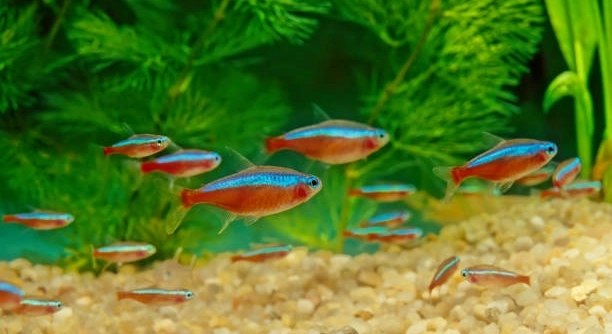
Tetras are popular aquarium fish known for their vibrant colors and peaceful nature. Many fishkeepers enjoy adding them to community tanks, but sometimes issues arise when they share space with other species. Understanding these problems can help maintain a healthy environment.
Common tankmate problems for tetras include aggression from other fish, competition for food, stress due to overcrowding, incompatible water parameters, disease transmission, territorial disputes, and improper tank setup. These factors often disrupt the balance necessary for tetras to thrive in community tanks.
Recognizing these challenges is essential for creating a harmonious aquarium. Addressing common issues early helps protect your tetras and promotes a stable, peaceful aquatic environment.
Aggression Among Tankmates
Aggression is one of the most common problems tetras face when kept with other fish. Some species are naturally territorial or dominant, which can cause stress or injury to peaceful tetras. Signs of aggression include chasing, nipping, and fin damage. It is important to observe how your fish interact daily to catch these behaviors early. Keeping too many aggressive fish or mixing incompatible species often leads to conflicts. Providing plenty of hiding spots and maintaining proper tank size can help reduce aggression. Selecting tankmates with similar temperaments also improves harmony. Tetras generally do well with other small, peaceful fish, but even then, aggression may occur if the tank is overcrowded or poorly arranged. Knowing your fish’s behaviors and adjusting accordingly is key to a balanced aquarium.
Aggressive behavior can increase stress, weakening immune systems and making tetras more vulnerable to illness. Addressing aggression quickly helps preserve their health.
Watching your tank carefully and separating aggressive fish when needed protects your tetras and supports a calm, safe environment for all inhabitants.
Competition for Food
Competition for food often causes problems in a community tank with tetras. When more aggressive or faster feeders dominate mealtime, tetras may miss out on nutrition. This can lead to poor health and stunted growth over time. To prevent this, feeding small amounts several times a day works best. Using feeding rings or spreading food across the tank can help ensure all fish get their share. Observing feeding behavior allows you to spot which fish need more attention or separate feeding. Feeding tetras a balanced diet tailored to their needs supports their energy and coloration. Overfeeding should be avoided as it leads to poor water quality and stress. Managing feeding routines carefully helps reduce competition and keeps all fish healthy and thriving.
Feeding strategies that distribute food evenly reduce stress and ensure tetras get proper nutrition.
Careful observation during feeding times will help maintain a fair environment where all fish, including tetras, can thrive without constant struggle.
Stress from Overcrowding
Overcrowding is a common cause of stress for tetras. Too many fish in a tank limits swimming space and increases aggression.
When the tank becomes overcrowded, water quality deteriorates quickly due to waste buildup. Tetras require space to swim freely and maintain natural behaviors. Overcrowding also increases competition for food and hiding spots, which adds to stress levels. Stress weakens their immune systems, making them more prone to disease. Providing adequate space according to tank size and fish number is essential for a healthy environment. Regular monitoring and maintenance help prevent overcrowding before it causes serious problems.
Reducing fish numbers or upgrading to a larger tank can improve conditions. A balanced stocking level keeps tetras calm, healthy, and active.
Incompatible Water Parameters
Tetras are sensitive to water conditions such as pH, temperature, and hardness. Variations outside their preferred range cause stress and illness.
Stable water parameters support tetra health and prevent common problems. Most tetras prefer slightly acidic to neutral pH (6.0–7.5) and temperatures between 72°F and 80°F. Sudden changes or extremes can disrupt their metabolism and immune system. Regular testing and adjustment of water chemistry are vital. Using appropriate filtration and performing partial water changes maintain a clean, balanced environment. Compatibility with tankmates also depends on shared water needs; mixing fish that require different conditions often causes stress for tetras. Consistency is key for keeping tetras comfortable and thriving in a community tank.
Disease Transmission
Diseases can spread quickly in community tanks with tetras. Stress and poor water quality increase vulnerability.
Quarantining new fish before adding them to the main tank reduces the risk of introducing infections. Maintaining good hygiene and monitoring fish health regularly are essential to prevent outbreaks.
Territorial Disputes
Territorial disputes arise when tankmates compete for space or hiding spots. Tetras prefer peaceful neighbors and enough room to avoid conflicts.
Providing plenty of plants, decorations, and hiding places helps reduce disputes. Separating aggressive fish when necessary keeps the tank peaceful.
Improper Tank Setup
An improper tank setup affects tetra well-being. Poor decoration, lighting, and filtration lead to stress and illness.
Choosing a setup that mimics a tetra’s natural environment supports their health and behavior. Regular maintenance is crucial for a stable habitat.
FAQ
What are the signs that my tetra is stressed because of tankmates?
Signs of stress in tetras include hiding more than usual, loss of color, erratic swimming, and refusal to eat. They may also show damaged fins or physical injuries from nipping. If you notice aggressive behavior from other fish or overcrowding, these could be causes of stress. Regular observation helps catch problems early before they worsen.
How can I reduce aggression between tetras and other fish?
Reducing aggression involves choosing compatible species and providing enough space. Add plenty of plants and decorations to create hiding spots and break lines of sight. Avoid overcrowding and keep similar-sized fish together. If aggression continues, separating the aggressive fish or rehoming them might be necessary.
Why is my tetra not eating well in a community tank?
Tetras can struggle to eat when tankmates are faster or more aggressive feeders. Competition for food can leave tetras hungry and weak. Feeding small amounts multiple times a day and spreading food evenly helps. You may also need to feed tetras separately to ensure they get enough nutrition.
How do I know if my water parameters are suitable for tetras?
Use a reliable test kit to check pH, temperature, ammonia, nitrite, and nitrate levels regularly. Tetras prefer a pH between 6.0 and 7.5 and temperatures from 72°F to 80°F. Ammonia and nitrite should always be zero, while nitrate should stay low through regular water changes. Maintaining stable conditions is essential for their health.
Can different tetra species live together?
Yes, many tetra species can live together if their water requirements and temperaments match. Mixing species with similar sizes and peaceful behavior works best. However, some species are more aggressive or territorial and might not get along. Careful research and observation are important before combining them.
How often should I clean the tank to prevent problems?
Regular maintenance is key. Perform partial water changes of 20-30% every one to two weeks, depending on tank size and stocking levels. Clean the filter monthly and remove debris from substrate regularly. Consistent upkeep helps maintain water quality, reducing stress and disease risk for tetras and their tankmates.
What should I do if a fish gets sick?
Isolate the sick fish in a quarantine tank to prevent disease spread. Test water parameters and improve water quality. Treat the fish with medication recommended for the specific illness, following dosage instructions carefully. Continue monitoring other fish for symptoms and maintain good tank hygiene to avoid further outbreaks.
Is it necessary to have a specific tank size for tetras?
Yes, tank size impacts their health and behavior. A minimum of 20 gallons is recommended for a small school of tetras to allow swimming space and reduce stress. Larger tanks provide more stable water parameters and room to add peaceful tankmates. Overcrowding should always be avoided.
How can I tell if my tankmates are compatible with tetras?
Look for peaceful species that share similar water preferences and sizes. Avoid aggressive or very large fish that may bully or eat tetras. Observing initial interactions and researching species behavior can help decide compatibility. Providing plenty of hiding spaces also supports harmony in mixed tanks.
What role does tank decoration play in preventing tankmate problems?
Plants, rocks, and decorations create territories and hiding places that reduce stress and aggression. They offer shelter for tetras to escape threats and establish their own space. Properly arranged decorations break direct lines of sight, helping to minimize territorial disputes and encourage natural behaviors.
Keeping tetras in a community tank can be rewarding but requires careful attention to their needs and tank conditions. Problems with tankmates are common but manageable when you understand the causes. Aggression, competition for food, overcrowding, incompatible water parameters, disease, territorial disputes, and improper tank setup are the main issues that affect tetra well-being. Addressing these factors early helps ensure a peaceful and healthy aquarium environment. Paying attention to how your fish behave and interact will guide you in making necessary adjustments. A calm and stable tank benefits all species involved.
Proper tank maintenance and setup play important roles in preventing problems. Regular water testing, partial water changes, and cleaning the filter help maintain good water quality. Providing enough space and hiding spots reduces stress and aggression. Selecting compatible species with similar needs improves harmony in the tank. Feeding routines should be designed to minimize competition and ensure all fish get enough nutrition. Quarantining new fish protects the existing community from disease. These steps are simple but effective ways to support your tetras’ health.
Understanding your tetras’ behavior and needs helps create a better environment for them and their tankmates. It is important to stay observant and responsive to any changes in your aquarium. Problems may not disappear immediately, but with patience and care, you can reduce conflicts and support your tetras’ long-term happiness. Keeping a community tank balanced takes ongoing effort, but the peaceful interactions and vibrant colors of healthy tetras make it worthwhile.

Hello,
If you enjoy the content that we create, please consider saying a "Thank You!" by leaving a tip.
Every little bit helps us continue crafting quality advice that supports the health, happiness, and well-being of pets around the world, for pets of all shapes, sizes, and species.
We really appreciate the kindness and support that you show us!