
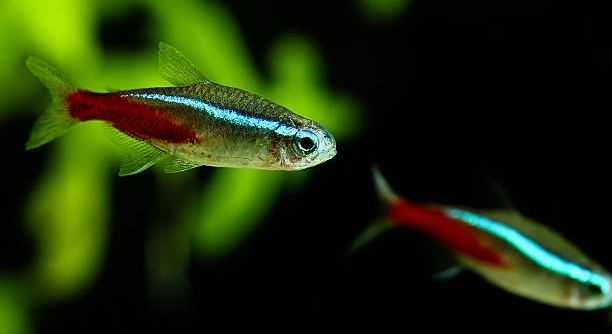
Have you ever brought home a group of tetras and noticed they seem stressed or unsure in their new tank environment?
Creating a comfortable environment for tetras involves replicating their natural habitat with proper water conditions, plant cover, and peaceful tank mates. These elements help reduce stress, improve health, and encourage natural schooling behavior in your fish.
A few simple changes can greatly improve your tetra’s comfort and happiness in their aquarium space.
Choose the Right Tank Size
A proper tank size helps tetras feel safe and secure. Tetras are schooling fish, which means they need space to swim together as a group. A small tank can cause stress and even lead to health issues. For most tetra species, a minimum of 20 gallons is recommended. This allows room for at least six tetras to swim comfortably. If you plan to add more fish or decorations, you may want to go larger. Crowded tanks can lead to aggression, poor water quality, and unhappy fish. A spacious tank also makes it easier to maintain stable conditions.
A larger tank gives tetras more room to explore, reducing the chances of stress-related illness.
Always consider the number of fish and type of setup you want. Include plants and décor, but keep enough space for swimming. Tetras feel most secure when they can both hide and move freely. A balanced layout helps with that.
Maintain Clean, Stable Water
Clean water plays a big role in keeping your tetras relaxed and active.
Water quality directly affects your tetras’ health and behavior. Ammonia, nitrites, and nitrates must be regularly monitored to avoid sudden spikes. Weekly water changes of 25% help keep the tank balanced and free of waste buildup. Use a filter rated for your tank size, and clean it monthly without disturbing beneficial bacteria. Tetras prefer a temperature between 72°F and 78°F, and a pH between 6.5 and 7.5. Sudden changes in these levels can lead to stress. Always test your water before adding fish, and cycle the tank completely. A stable environment helps prevent disease and promotes natural behaviors like schooling. Adding live plants can also improve water quality and provide cover. When your tank is clean and consistent, tetras feel safe and more likely to thrive.
Add Plants and Hiding Spots
Tetras feel more secure when they have places to hide. Adding live or artificial plants helps reduce stress and encourages natural behavior. Bushy plants, driftwood, and caves create a calm, shaded environment where your tetras can relax.
Use a mix of tall background plants and shorter midground plants to create layers in the tank. Java fern, Amazon sword, and anubias are good choices for live plants. Avoid overcrowding, and leave open space for swimming. A well-planted tank mimics the tetras’ natural habitat and offers hiding spots during moments of stress or bright lighting. If using artificial décor, choose smooth, aquarium-safe materials. Combine hiding spots with soft lighting to give your fish a more peaceful setting. Keep the layout consistent so tetras can establish familiar zones. A structured tank gives them a sense of territory, improving both behavior and overall health.
Make sure hiding areas are easy to access but not too tight or sharp. Tetras are small, but they still need enough room to move safely in and out. Check décor often to avoid trapped debris, which can affect water quality. Rearranging decorations too frequently can confuse or stress your fish, so try to keep changes minimal.
Pick Peaceful Tank Mates
Tetras do best with tank mates that are calm and not aggressive. Avoid fish that nip fins or chase others around the tank. Good companions include corydoras, rasboras, guppies, and small gouramis.
Avoid housing tetras with large or aggressive fish, as this can make them feel unsafe and lead to hiding or skittish behavior. Choose fish that prefer similar water conditions and don’t compete for the same space. Stick to community fish with gentle temperaments. It’s also important to have enough of each species to prevent any single fish from being targeted. Watching how the fish interact over the first few days helps you notice early signs of conflict. If any fish show signs of stress, such as hiding constantly or refusing to eat, they may need to be moved to another tank. When all fish feel secure, you’ll see more natural schooling and healthier movement from your tetras.
Use Soft Lighting
Tetras prefer soft, dim lighting that resembles their natural river environments. Bright lights can cause them to feel exposed or stressed. Use floating plants or adjustable LED lights to reduce intensity and create shaded areas in the tank.
Keep lights on for 8 to 10 hours a day to support a stable day-night cycle. Too much light can lead to algae and discomfort, while too little may disrupt their behavior.
Feed a Balanced Diet
Tetras thrive on a varied diet that includes high-quality flake food, micro pellets, and occasional treats like brine shrimp or daphnia. Feeding small amounts twice a day helps prevent overeating and keeps water clean. Rotate their food to ensure proper nutrition. A balanced diet improves color, activity, and overall health.
Keep a School of Six or More
Tetras are schooling fish and feel safer in groups. Keeping at least six together reduces stress, supports social behavior, and helps them stay active.
FAQ
How long does it take for tetras to adjust to a new tank?
Tetras usually take a few days to a week to adjust to a new environment. During this time, it’s important to keep noise and movement around the tank to a minimum. Make sure the water parameters are within the correct range, and keep lighting dim at first. Provide hiding spots to help them feel secure. You may notice them schooling tightly or hiding at the bottom when first introduced, but this should improve as they become more comfortable. Avoid feeding too much during the first 24 hours, as they may not eat right away.
Why are my tetras hiding all the time?
Constant hiding can be a sign of stress. Common reasons include overly bright lighting, aggressive tank mates, poor water quality, or too few tetras in the group. Check your water parameters first to rule out toxins. Next, consider whether they have enough hiding spaces and plant cover. Tetras feel safest in schools, so keep at least six together. If your tank includes larger or more active fish, they may feel threatened. Making the tank quieter and adjusting light levels can help them become more visible and relaxed during the day.
What temperature is best for tetras?
Most tetras thrive in temperatures between 72°F and 78°F. Keeping the temperature stable is just as important as the exact number. Sudden changes can cause stress or illness. Use a reliable heater and a thermometer to monitor fluctuations. Avoid placing the tank near windows or vents, as this can cause unexpected temperature shifts. Some tetra species may prefer slightly warmer or cooler temperatures, so it’s a good idea to research your specific type. In general, aiming for the middle of the range works well for mixed-species community tanks.
Can tetras live with shrimp or snails?
Yes, tetras can live peacefully with shrimp and snails, especially in a well-planted tank. However, very small shrimp like baby cherry shrimp may be seen as food. To increase the chance of peaceful coexistence, make sure there are plenty of plants and hiding areas. Snails are usually ignored and help clean up uneaten food. Nerite snails and mystery snails are both good choices. Monitor how your tetras interact with new tank mates, especially during the first few days. If aggression appears, adjust the layout or increase plant coverage to reduce tension.
How often should I feed my tetras?
Feed your tetras once or twice a day with only as much food as they can finish in two minutes. Overfeeding can cause poor water quality and stress. A regular feeding schedule helps them feel secure and encourages activity. Use a variety of foods to meet their nutritional needs. Rotate between flakes, micro pellets, and protein-rich treats like brine shrimp. Avoid feeding too many high-fat foods, as these can lead to health issues over time. Fast your fish one day a week to help digestion and maintain tank cleanliness.
Do tetras need a filter?
Yes, a filter is essential for keeping the water clean and oxygenated. It helps remove waste and supports beneficial bacteria that break down harmful substances like ammonia and nitrites. Choose a filter that suits your tank size and flow preferences. Tetras prefer a gentle current, so avoid strong filters that create too much movement. Sponge filters or adjustable hang-on-back models work well. Make sure to clean the filter media regularly but avoid using soap or hot water. Rinse gently with tank water to preserve the helpful bacteria that support the nitrogen cycle.
Are tetras good for beginner fish keepers?
Tetras are a great choice for beginners because they’re hardy, peaceful, and easy to care for. They don’t need special equipment beyond a proper tank, filter, and heater. Their social nature and bright colors also make them enjoyable to watch. However, they do require a stable environment, so beginners should be prepared to test water regularly and perform routine maintenance. Choosing the right tank mates and keeping tetras in groups will help avoid stress-related problems. With consistent care, tetras can live happily for several years in a home aquarium.
Final Thoughts
Tetras are peaceful, colorful fish that do best when their environment closely matches their natural needs. Simple choices—like giving them enough space, maintaining clean water, and choosing calm tank mates—can make a big difference in how they behave and feel. These small fish rely on a steady, quiet setting to feel safe. By keeping their tank clean, stable, and filled with soft lighting and plenty of hiding spots, you give them the comfort they need to live well. Even minor changes, like adjusting the lighting or improving the tank layout, can improve their activity and reduce stress.
It’s also important to remember that tetras are social fish. They need to live in groups of at least six to feel secure. When they are alone or in small numbers, they may hide or act nervously. A proper diet, along with routine water testing and filter maintenance, helps keep them healthy over time. Feeding them small amounts of varied food, keeping their water within the right temperature and pH, and avoiding harsh tank conditions will support both their health and mood. Choosing the right tank mates—ones that won’t chase or nip—also helps tetras stay active and happy without feeling threatened.
Making tetras feel at home doesn’t require anything complicated. It simply means paying attention to their basic needs and observing their behavior. If something feels off—like hiding, dull colors, or unusual movement—it may be a sign that something needs adjusting in the tank. With steady care and a peaceful setup, tetras will show natural schooling behavior and bright, healthy colors. Watching them swim together is a simple, rewarding part of fishkeeping. By staying consistent and thoughtful in how you set up and care for their environment, you create a space where your tetras can truly thrive.

Hello,
If you enjoy the content that we create, please consider saying a "Thank You!" by leaving a tip.
Every little bit helps us continue crafting quality advice that supports the health, happiness, and well-being of pets around the world, for pets of all shapes, sizes, and species.
We really appreciate the kindness and support that you show us!