
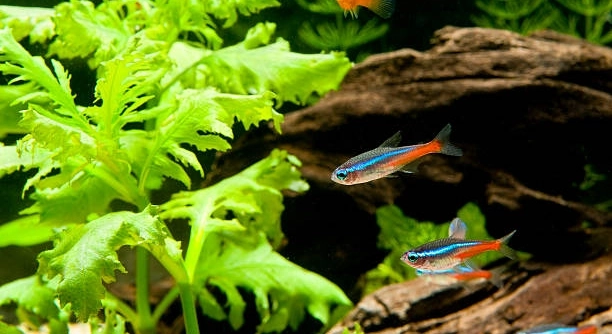
Tetras are popular freshwater fish known for their vibrant colors and active behavior. Many fishkeepers enjoy watching these small fish in their aquariums. Recognizing when tetras are about to spawn can improve your chances of successful breeding.
Tetras display specific behaviors and physical changes before spawning, including increased activity, color intensification, pairing off, and nest preparation. Monitoring these signs closely helps predict and encourage spawning in a controlled environment.
Knowing these signs will help you support your tetras’ breeding process and create a better environment for their offspring to thrive.
Increased Activity and Restlessness
Before spawning, tetras often become noticeably more active and restless. You might see them swimming faster or more erratically than usual, sometimes darting around the tank. This behavior signals their readiness to mate and can include chasing other fish or gently nudging potential partners. It’s important to keep the tank environment calm during this time, as stress can interrupt the spawning process. Observing these changes gives a clear sign that spawning is approaching, allowing you to prepare the tank and ensure optimal conditions. Water quality, temperature, and lighting should be stable to support their increased energy levels and natural behaviors. Monitoring these details will improve your chances of successful breeding.
This restless activity usually starts a few days before actual spawning begins. It is an early, visible indicator that tetras are preparing to reproduce.
Noticing increased activity in your tetras means it’s time to check water parameters carefully. Stable conditions with clean, warm water support spawning behavior. Adjustments like adding fine-leaved plants can provide a safe place for eggs and encourage the fish to spawn more comfortably.
Color Intensification and Pairing Off
Tetras tend to show brighter, more vivid colors before spawning. Males especially display intensified hues to attract females, signaling their readiness to mate. This color change is subtle but noticeable if you observe your fish closely over several days. It helps in identifying the strongest and healthiest breeding pairs. At the same time, you may notice tetras pairing off, separating themselves from the group to focus on potential mates. These pairs spend time swimming closely together, sometimes holding position near plants or the tank bottom where eggs will be laid. Recognizing this behavior allows you to prepare the breeding area and minimize disturbances to support their process.
Color changes are a natural signal that spawning is imminent and indicate which fish are likely to reproduce.
Preparing a quiet, secure spot in the tank with plants or spawning mops encourages pairs to settle and lay eggs. Maintaining proper water temperature around 75–80°F (24–27°C) also helps simulate their natural breeding environment.
Nest Preparation and Egg Laying Behavior
Tetras often prepare specific areas in the tank for egg laying. They choose fine-leaved plants or smooth surfaces where eggs can stick safely.
This preparation involves cleaning or gently rubbing the chosen spot to make it suitable for the eggs. The female may repeatedly deposit eggs in the same area while the male fertilizes them immediately. This behavior is a clear sign that spawning is underway. Keeping the tank calm during this time is crucial, as disturbances can cause the fish to abandon the eggs or stop spawning altogether. Providing plenty of hiding spots will also help protect the eggs from being eaten by other fish.
Egg laying behavior usually lasts a few hours to a day, depending on the species and tank conditions. Watching for this helps ensure you can take care of the eggs properly afterward.
Changes in Appetite and Feeding Patterns
Tetras often reduce their food intake right before spawning. This change is due to the energy focus shifting from feeding to reproduction. They may eat less or show disinterest in usual foods.
This decrease in appetite usually happens a day or two before spawning begins. It can be a subtle sign but is noticeable if you pay attention during feeding times. Offering smaller, high-quality foods can encourage eating while avoiding water pollution from uneaten food. After spawning starts, their appetite typically returns gradually as the process completes and energy demands shift back.
Monitoring feeding behavior is helpful in predicting spawning timing and adjusting tank care accordingly. Reduced appetite is natural and should not be mistaken for illness during this period.
Hiding and Guarding Behavior
Tetras may start hiding more often just before spawning. This helps protect themselves and the eggs from potential threats.
They also guard specific areas of the tank, especially near where eggs are laid. This behavior shows they are preparing to protect their offspring.
Body Shape Changes
Some tetras develop a rounder or fuller belly before spawning. This indicates that the female is carrying eggs ready for release.
These physical changes can be subtle but become more noticeable when observed over several days. Recognizing this helps predict spawning timing.
Increased Bubble Nesting Activity
Certain tetra species create bubble nests before spawning. This involves blowing bubbles that cluster together near the water surface.
This behavior signals readiness to reproduce and helps protect eggs after they are laid. Monitoring this can indicate when spawning will begin.
How long does it take for tetras to spawn once signs appear?
Once tetras begin showing spawning signs such as increased activity or color changes, spawning typically occurs within a few days. The exact timing can vary depending on tank conditions like water temperature and quality. Warmer water around 75–80°F (24–27°C) generally speeds up the process. It’s important to keep the environment stable during this period to encourage timely spawning. Monitoring behavior daily helps you know when spawning will start so you can prepare to care for the eggs properly.
Can all tetra species be expected to spawn the same way?
Not all tetras spawn in exactly the same way. While many share common behaviors like color changes and pairing off, some species have unique requirements or methods. For example, some tetras build bubble nests, while others lay eggs on plants or tank surfaces. It’s important to research the specific species you keep to understand their spawning habits. Knowing their preferences helps create the best environment and increases the chances of successful breeding.
Should I separate spawning tetras from other fish?
Separating spawning tetras from other fish is often recommended to protect eggs and fry. Many fish, including other tetras, may eat eggs or young fry. Using a breeding tank or divider keeps eggs safe during development. After spawning, removing adults or other aggressive tankmates reduces stress and increases survival rates. However, some keepers successfully breed tetras in community tanks by providing dense plants and hiding spots. The approach depends on your setup and how protective the adult tetras are.
How can I tell if the eggs are fertilized?
Fertilized tetra eggs usually appear clear or slightly yellowish and remain intact after being laid. Unfertilized eggs often turn white or opaque and may get fungus quickly. Fertilized eggs develop visible tiny embryos within a day or two. Keeping the water clean and maintaining good conditions helps eggs develop properly. Removing unfertilized or fungus-covered eggs can prevent infection from spreading to healthy ones.
What should I feed tetras before and after spawning?
Before spawning, feeding tetras high-quality foods like live or frozen daphnia, brine shrimp, or bloodworms helps boost their health and encourages spawning behavior. Smaller, frequent feedings work best to maintain energy. After spawning, gradually return to regular flake or pellet foods while still offering occasional live or frozen treats. Good nutrition supports recovery and fry development. Avoid overfeeding to keep water quality high during this sensitive period.
How long does it take for tetra eggs to hatch?
Tetra eggs usually hatch within 24 to 48 hours after being laid, depending on water temperature and species. Warmer temperatures tend to speed up hatching times. Once hatched, the fry remain near the bottom or in plants, absorbing their yolk sacs for several days before free swimming and feeding. Providing gentle water flow and avoiding strong currents helps fry survive these early stages.
Is it necessary to remove the adult tetras after spawning?
Removing adult tetras after spawning is often necessary to prevent them from eating the eggs or fry. Many adult fish do not recognize eggs as their own and will consume them. Once eggs are laid and fertilized, separating the adults gives the eggs and fry a better chance to develop safely. If removal isn’t possible, dense plants and hiding places can help protect the eggs, but survival rates may be lower.
Can water changes influence tetra spawning?
Water changes can influence tetra spawning positively if done carefully. Fresh, clean water with stable parameters mimics natural rain or seasonal shifts that encourage breeding. Performing a small water change with slightly cooler or softer water can trigger spawning behaviors. However, sudden or large water changes may stress the fish and delay spawning. Consistent water quality and gradual adjustments work best to support breeding readiness.
What are common problems during tetra spawning?
Common problems during tetra spawning include stress from poor water conditions, aggression among fish, and egg predation by adults or other tankmates. Fungus or infections can affect eggs if the tank isn’t clean. Insufficient hiding places or inappropriate water temperature also reduce spawning success. Monitoring water quality, minimizing disturbances, and providing proper tank setup help avoid these issues and increase the chances of healthy fry.
How can I care for tetra fry after hatching?
After hatching, tetra fry need gentle care with stable water conditions and proper feeding. They start by absorbing yolk sacs and later require very small foods like infusoria or liquid fry food. As they grow, you can introduce finely crushed flakes or baby brine shrimp. Frequent small feedings keep fry healthy. Keeping water clean with gentle filtration and avoiding strong currents is essential. Regular monitoring helps detect problems early and supports healthy development.
Knowing the signs that tetras are about to spawn can make a big difference in caring for these fish. Observing changes in behavior and appearance helps you prepare the tank for breeding. This preparation can include adjusting water temperature, improving water quality, and providing safe places for eggs. When you recognize the early signs, you can create a better environment that supports successful spawning and healthy fry. Paying attention to details like activity levels, color changes, and pairing behavior allows you to be ready for the breeding process.
It is also important to understand that each tetra species may have slightly different spawning habits. Some tetras build bubble nests, while others prefer laying eggs on plants or tank surfaces. Watching how your fish behave will help you understand their preferences. Providing appropriate conditions, such as the right plants and water parameters, encourages natural spawning behavior. Remember that adult fish might eat eggs or fry, so separating them after spawning can protect the young fish. Creating a calm and stable environment reduces stress and increases the chances of breeding success.
Caring for tetra fry requires attention and patience. After eggs hatch, the tiny fish need proper feeding and gentle water conditions to grow strong. Feeding small amounts of specialized food several times a day helps fry develop well. Keeping the water clean and avoiding sudden changes are also key factors for their survival. With careful observation and consistent care, you can enjoy watching tetras complete their life cycle. Understanding the signs and needs of spawning tetras is useful for any fishkeeper who wants to support their fish in a natural and healthy way.

Hello,
If you enjoy the content that we create, please consider saying a "Thank You!" by leaving a tip.
Every little bit helps us continue crafting quality advice that supports the health, happiness, and well-being of pets around the world, for pets of all shapes, sizes, and species.
We really appreciate the kindness and support that you show us!