
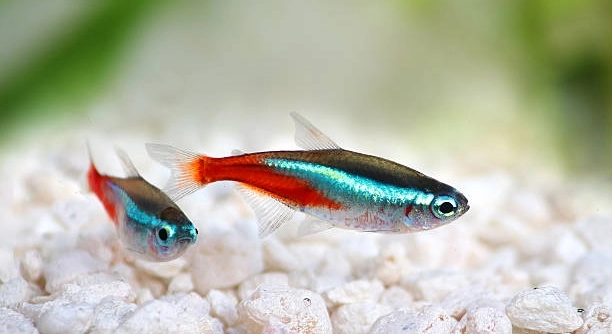
Tank lighting plays an important role in maintaining the health and appearance of Tetra fish. Proper lighting settings help create a balanced environment that supports their well-being. This article focuses on finding the best lighting conditions for these popular aquarium fish.
The best tank lighting settings for Tetras involve moderate brightness with a consistent day-night cycle. Avoid overly intense light, which can stress the fish, while ensuring enough illumination to support plant growth and natural behavior. Maintaining about 8-10 hours of light daily is ideal.
Understanding the right lighting setup can improve your aquarium’s overall health and enhance your Tetras’ vibrant colors and activity.
Ideal Light Intensity for Tetra Tanks
Maintaining the right light intensity is crucial for the health of your Tetras and the plants in their tank. Too much light can cause stress to the fish, making them hide or become less active. It can also encourage algae growth, which can quickly take over the tank and create an unhealthy environment. On the other hand, too little light may affect plant growth and reduce the visibility of your fish’s vibrant colors. A balanced approach is to use moderate lighting that mimics natural daylight without being too bright. Using adjustable LED lights is a practical way to control intensity. Positioning the light so it is evenly distributed across the tank helps avoid dark spots and overly bright areas. Regularly monitoring your tank will help you find the best light level that keeps your Tetras comfortable and your plants healthy.
Light intensity should stay moderate and steady to create a calm environment for Tetras.
Lighting schedules that avoid sudden brightness changes help maintain fish comfort and support plant photosynthesis efficiently.
Light Duration and Its Effects
Keeping a consistent light schedule for your Tetra tank helps regulate their natural rhythms. Typically, about 8 to 10 hours of light per day is enough to maintain a healthy environment. Extending the light period beyond this can lead to stress in fish and excess algae growth. A timer can simplify this process by turning lights on and off automatically, ensuring the duration stays the same each day. This consistency supports fish behavior, feeding patterns, and sleep cycles. It also allows plants to thrive with adequate light for photosynthesis without being overwhelmed. If you notice algae buildup, reducing the lighting period slightly can help manage it. Adjusting the light cycle seasonally, if needed, can simulate natural conditions, improving your aquarium’s balance. Maintaining proper light duration contributes greatly to the long-term success of your Tetra tank and the overall harmony of its ecosystem.
Choosing the Right Light Color
Light color affects both fish appearance and plant growth in your Tetra tank. Using a mix of cool and warm tones creates a natural look that highlights your fish’s colors while supporting plant health.
Cool white or daylight bulbs around 6500K mimic natural sunlight, which promotes photosynthesis in aquarium plants. These colors also help bring out the true colors of Tetras, making them look more vibrant and lively. Some aquarists add a slight blue tint to replicate deeper water conditions, which can make the tank look more visually appealing. Avoid overly warm or yellow lighting, as it may dull the fish’s colors and affect plant growth. Combining different light spectrums can balance aesthetics with functionality, creating a pleasant environment for both fish and plants.
Adjusting light color thoughtfully ensures your aquarium stays attractive and healthy without overwhelming the fish or plants.
Positioning Your Aquarium Lights
Proper placement of lights is essential to avoid uneven lighting and shadows in the tank. Centering the light fixture above the aquarium distributes illumination evenly across the water surface.
Using adjustable light mounts or brackets allows you to change the height and angle as needed. This flexibility helps in providing the right coverage depending on tank size and plant layout. Avoid placing lights too close to the water surface to prevent overheating, which can stress fish and promote algae. Positioning lights so they reach all corners of the tank ensures every area receives adequate light. If your aquarium has floating plants, position the lights to avoid blocking too much light from reaching lower plants. Taking care with light placement supports a balanced ecosystem and makes your Tetras feel more secure in their space.
Avoiding Overexposure to Light
Too much light can cause stress to Tetras, making them hide or lose color. It also encourages unwanted algae growth, which can harm the tank environment. Keeping light exposure balanced prevents these issues and supports healthy fish behavior.
Limiting light to the recommended duration helps maintain a calm and natural tank atmosphere. Overexposure can upset this balance, so following proper timing is essential.
Using Timers for Consistency
Timers automate the lighting schedule, ensuring Tetras get a consistent day-night cycle. This regularity supports their natural rhythms and helps maintain plant health by providing steady light periods.
Automated lighting prevents human error in turning lights on or off, reducing stress for fish. It also makes tank care easier by simplifying daily maintenance.
Impact of Light on Plant Growth
Lighting affects how well aquatic plants grow, which in turn influences water quality and fish health. Adequate light promotes photosynthesis, oxygen production, and nutrient cycling. Insufficient light weakens plants and harms the tank’s ecosystem.
Healthy plants provide shelter and natural food sources for Tetras, making proper lighting vital to their overall well-being.
Adjusting Lighting Seasonally
Changing light duration and intensity with seasons can mimic natural conditions, benefiting fish and plants. Seasonal adjustments help maintain a balanced environment year-round.
FAQ
What is the best light intensity for Tetra tanks?
Moderate light intensity is best for Tetra tanks. Too bright light can stress the fish and encourage algae growth. A balanced, steady level that mimics natural daylight helps fish stay active and plants grow well. Using adjustable LED lights makes it easier to control brightness as needed.
How long should I keep the lights on in my Tetra tank?
Lighting for about 8 to 10 hours daily is ideal. This duration supports fish behavior and plant photosynthesis without promoting excessive algae. Using a timer ensures consistency, which is important for maintaining a healthy environment and regular fish activity.
Can too much light harm my Tetras?
Yes, excessive light can cause stress, making Tetras hide or lose color. It can also trigger fast algae growth, leading to an unhealthy tank. Keeping light levels and duration within recommended limits prevents these problems and keeps your aquarium balanced.
What light color is best for Tetras?
Light colors around 6500K, which resemble natural daylight, work best. These promote plant growth and make Tetras’ colors stand out. Some aquarists add a slight blue tint for a natural underwater effect. Avoid overly warm or yellow lights as they dull fish colors and hinder plants.
Should I use a timer for my aquarium lighting?
Using a timer is highly recommended. It keeps the light cycle consistent every day, which helps fish maintain natural rhythms and supports steady plant growth. Timers reduce the chance of human error in turning lights on or off, making tank care easier.
How does light placement affect my aquarium?
Proper light placement ensures even illumination across the tank. Centering the light above the aquarium avoids shadows and bright spots. Adjustable mounts help change height or angle to suit tank size and plant layout. This creates a comfortable environment for Tetras and healthy plants.
Is it okay to adjust light duration seasonally?
Yes, adjusting light schedules to reflect seasonal changes can be beneficial. It mimics natural conditions and helps maintain a balanced environment throughout the year. Seasonal changes in light duration and intensity can improve fish well-being and plant health.
What should I do if algae growth becomes a problem?
First, check if the light is too intense or on for too long. Reducing the light duration slightly often helps control algae. Regular tank cleaning and maintaining good water quality are also important. Avoid placing the tank where it gets direct sunlight.
Can I use the same lighting for Tetras and plants?
Yes, but the light should meet both fish comfort and plant needs. Moderate intensity with daylight spectrum bulbs works well. Avoid lighting that is too bright for fish or too weak for plants. Combining different light spectrums can balance aesthetics and functionality.
How do lighting changes affect Tetra behavior?
Consistent lighting supports natural behavior, including feeding and resting patterns. Sudden changes or inconsistent light schedules can stress fish, causing hiding or inactivity. Maintaining a stable lighting routine promotes healthy, active Tetras.
Are LED lights better than fluorescent for Tetra tanks?
LED lights are often preferred because they offer adjustable intensity, consume less energy, and last longer. They produce less heat, reducing the risk of overheating the tank. LEDs also allow better control over light color and timing, making them suitable for Tetra tanks.
What if my Tetras seem stressed despite proper lighting?
Stress can result from multiple factors beyond lighting, including water quality, tank size, and compatibility with other fish. Double-check these conditions and make sure lighting is consistent but not too intense. Providing hiding spots can also help fish feel secure.
Can lighting improve the colors of my Tetras?
Yes, proper lighting enhances the natural colors of Tetras. Using daylight-spectrum bulbs around 6500K brings out vibrant hues. Avoid dull or overly warm lights that wash out their colors. Balanced lighting also supports healthy fish, contributing to better color expression.
Is there a risk of overheating with aquarium lights?
Yes, placing lights too close to the water surface or using high-wattage bulbs can raise water temperature. Overheating stresses fish and can harm plants. Use LED lights or position fixtures at a safe distance to avoid temperature issues.
How do floating plants affect lighting needs?
Floating plants can block light from reaching lower plants and fish. Position lights to minimize this effect or trim floating plants regularly. Ensuring light reaches all tank areas supports plant growth and fish well-being. Adjusting light intensity may also help balance this.
Should I turn off aquarium lights at night?
Yes, fish need periods of darkness to rest. Turning lights off at night mimics natural conditions and helps regulate fish behavior. Keeping a regular day-night cycle supports a healthy, stress-free environment for Tetras.
Final thoughts on tank lighting for Tetras emphasize the importance of balance. Proper lighting affects not only the health of your fish but also the growth and vitality of aquarium plants. Using moderate light intensity with a consistent schedule supports a natural environment that helps Tetras feel comfortable and active. Too much light can lead to stress and algae problems, while too little can weaken plants and dull fish colors. Finding the right balance takes some attention but greatly improves the overall well-being of your tank.
Maintaining a regular light cycle of about 8 to 10 hours each day is essential. This consistency mimics natural day and night rhythms, helping fish maintain their natural behaviors. Using timers to automate lighting ensures this schedule is steady, which reduces stress and supports healthy plant growth. Light color also plays a role in tank health. Daylight-spectrum bulbs near 6500K provide the right range for photosynthesis and make your Tetras’ colors stand out. Avoid harsh or overly warm lighting that can upset this balance.
Positioning the lights properly helps create even coverage across the tank, preventing dark spots and overly bright areas that can cause discomfort. Adjustable fixtures allow you to tailor light placement based on your tank’s layout and plant needs. Regularly observing your tank will help you notice if any adjustments are needed. With thoughtful lighting settings, your Tetras will thrive, plants will grow strong, and your aquarium will look its best. Lighting is a simple but powerful tool to create a healthy, balanced habitat for your aquatic pets.

Hello,
If you enjoy the content that we create, please consider saying a "Thank You!" by leaving a tip.
Every little bit helps us continue crafting quality advice that supports the health, happiness, and well-being of pets around the world, for pets of all shapes, sizes, and species.
We really appreciate the kindness and support that you show us!