
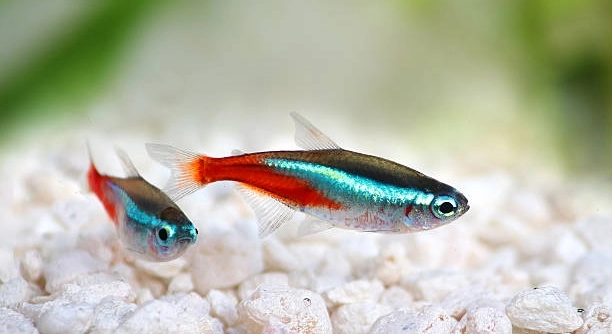
Power outages can happen unexpectedly, leaving your home without electricity for hours or even days. For Tetra fish owners, this situation can cause stress and potential harm to their aquatic pets. Preparing in advance is important to keep your Tetra safe and healthy.
To prepare Tetra fish for a power outage, you should focus on maintaining water quality, oxygen levels, and temperature stability. Using battery-operated air pumps, water conditioners, and insulating the tank can reduce stress and prevent health issues during outages.
Knowing how to manage these factors will help protect your Tetra when the power goes out. This article will guide you through practical and effective preparation methods.
Keeping Water Quality Stable
Maintaining water quality during a power outage is essential for Tetra health. Without filtration, waste and toxins can build up quickly. Before an outage, perform a partial water change to reduce harmful substances. Adding a water conditioner can help neutralize chlorine and chloramine, protecting the fish’s sensitive gills. Keep an extra supply of dechlorinator on hand for emergencies. Monitoring water parameters like ammonia and nitrite is useful if you have test kits available. If the outage lasts longer than a day, consider manually changing part of the water to keep conditions safe. Avoid overfeeding before and during the outage, as leftover food decomposes and harms water quality. Remember, clean water is vital to reduce stress and prevent disease.
Keep water changes minimal but effective during outages. Avoid large water shifts that can shock the fish.
In the absence of filters, frequent small water changes help dilute toxins. Use pre-conditioned water close to the tank’s temperature to prevent stress. Aeration is also important, as stagnant water can harm your Tetra. If you have battery-powered air pumps, use them to maintain oxygen levels and circulation. Covering the tank with an insulated blanket can stabilize temperature. Monitoring and acting quickly ensures your fish stay healthy despite the outage.
Managing Oxygen Levels Without Power
Oxygen is critical for Tetras, and power outages stop electric pumps and filters that provide aeration. Without sufficient oxygen, fish can become lethargic or stressed. Battery-operated air pumps are a practical solution during outages. They maintain bubbles and circulation to keep oxygen dissolved in water. Make sure your backup equipment is tested regularly to avoid surprises. If you don’t have a pump, manually stirring the water surface every few hours can help increase oxygen exchange temporarily. However, this is not as effective as continuous aeration and requires attention.
In emergencies, manual water stirring is a short-term solution but can help maintain oxygen until power returns.
Using battery-powered air pumps or battery backups for your filter ensures continuous oxygen supply. Keep spare batteries ready and stored in a dry place. Position air stones or diffusers well to spread oxygen evenly. Monitor fish behavior closely during outages for signs of oxygen stress, such as gasping near the surface. These simple steps can make a significant difference in your Tetra’s survival during a power failure.
Maintaining Stable Temperature
During a power outage, aquarium heaters will stop working, which can cause temperature fluctuations harmful to Tetras. Keeping the tank temperature stable is important to avoid stress and illness.
To maintain temperature, place the tank away from direct sunlight and cold drafts. Wrapping the tank in blankets or towels helps insulate it and retain warmth. If you have access to a heated room or a warm spot in your home, move the tank there carefully. Avoid sudden temperature changes by adding warm water gradually if a water change is necessary.
Using insulated covers or foam panels around the tank can help preserve temperature for longer periods. Regularly check the water temperature with a reliable thermometer. If temperatures drop significantly, consider using warm water bottles wrapped in towels placed around the tank. This method can provide temporary warmth, reducing the risk of shock or illness until power is restored.
Preparing Emergency Supplies
Having emergency supplies ready makes handling power outages smoother. Stock up on battery-operated air pumps, spare batteries, water conditioners, and test kits. Keep these items accessible and check their condition regularly.
Emergency supplies ensure you can act quickly when power fails. Battery-powered equipment supports oxygen flow, while water conditioners protect your fish from harmful chemicals. Test kits help monitor water quality without electricity. Having a backup plan reduces stress and keeps your Tetras healthier during uncertain times.
Organizing your supplies in one place helps you respond fast and effectively. Check expiration dates on chemicals and replace used or old items. Preparing in advance avoids last-minute problems and ensures your Tetra’s environment remains stable even when electricity is unavailable.
Reducing Fish Stress
Power outages can stress Tetras due to changes in their environment. Minimizing disturbances helps keep them calm.
Keep the tank covered with a dark cloth to reduce light and movement. Avoid tapping the glass or sudden noises. A calm environment supports their wellbeing during outages.
Feeding Adjustments
Limit feeding before and during a power outage. Tetras require less food when activity slows down.
Overfeeding leads to uneaten food, which pollutes water quickly without filtration. Feed small amounts or skip feeding if the outage lasts more than a day. This prevents water quality issues and helps keep your fish healthy.
Using Manual Aeration Methods
If no battery-operated pump is available, manual aeration can help. Stir the water surface gently every few hours.
This action increases oxygen exchange temporarily but requires consistent effort. Manual aeration is a short-term fix until power returns or a battery pump is installed.
Monitoring Fish Behavior
Observe your Tetras closely during outages. Changes in swimming, breathing, or color can indicate stress or low oxygen levels.
FAQ
How long can Tetra fish survive without power?
Tetras can survive without power for a limited time if the water conditions remain stable. Typically, they can handle up to 24-48 hours without filtration or aeration if the tank is well-prepared. After this, oxygen levels drop, and toxins build up, which can be harmful. Proper preparation, such as using battery-powered air pumps and maintaining water quality, extends their survival during outages.
What should I do if the power outage lasts more than two days?
If the outage lasts longer than two days, more active intervention is necessary. Perform partial water changes with pre-conditioned water to reduce toxins. Continue manual aeration or use battery-operated pumps to maintain oxygen. Monitor water temperature carefully and keep the tank insulated. Feeding should be minimal or stopped to prevent water contamination. Consider relocating the tank to a warmer room if possible.
Can I use a regular air pump during a power outage?
A regular air pump won’t work without electricity, so it won’t help during a power outage. Battery-operated air pumps or those with backup power systems are the best options. If you don’t have one, manual aeration by gently stirring the water surface is a temporary method but requires frequent attention.
How often should I perform water changes during a power outage?
Water changes should be small but more frequent to avoid shocking the fish. Changing about 10-20% of the water every day helps dilute waste and toxins when filters aren’t running. Use water treated with dechlorinator and warmed to the tank’s temperature. Avoid large water changes as they can cause sudden shifts that stress your Tetras.
Is it safe to feed my Tetras during a power outage?
Feeding should be reduced or stopped during outages. Tetras’ metabolism slows in cooler water and low-oxygen conditions, so they need less food. Overfeeding leads to uneaten food breaking down, which worsens water quality. Offer very small amounts or skip feeding if the outage is extended.
What are signs that my Tetras are stressed during an outage?
Look for unusual behaviors like gasping at the surface, erratic swimming, clamped fins, or faded colors. Lethargy or hiding more than usual can also indicate stress. These signs often point to low oxygen or poor water conditions. Acting quickly by improving aeration and water quality can help.
How can I keep the tank temperature steady without a heater?
Wrap the tank with blankets or towels to insulate it and prevent heat loss. Place warm water bottles wrapped in towels around the tank for extra warmth if needed. Keep the tank away from drafts and sudden temperature changes. Monitoring with a thermometer helps you track temperature and avoid shocks.
Are battery-powered air pumps effective for long outages?
Battery-powered air pumps are a reliable way to maintain oxygen flow during outages, especially if the batteries are fresh and fully charged. They can run for several hours or longer depending on battery life. It’s important to test and maintain these pumps regularly to ensure they work when needed.
What water conditioner should I use during an outage?
Use a water conditioner that neutralizes chlorine, chloramine, and heavy metals. Some also help detoxify ammonia and nitrites temporarily. This is important because, without filtration, waste builds up faster. Keeping water conditioned helps reduce stress and protects your Tetras’ gills.
Can I use natural plants to help oxygenate the tank during a power outage?
Live plants produce oxygen during photosynthesis but only when there is light. During an outage, if the tank is covered to reduce stress and light is limited, plants won’t produce much oxygen. While plants improve overall tank health, they are not enough alone to maintain oxygen levels during extended outages.
Should I remove some Tetras if the power outage is prolonged?
Removing fish should be a last resort. Reducing fish numbers lowers waste and oxygen demand, but it can be stressful and risky to relocate them. Focus first on aeration, water quality, and temperature control. If the outage is expected to last very long, consult an experienced aquarist or vet for advice on relocation.
Power outages can happen without warning, and they create challenges for keeping Tetra fish healthy. These small fish rely on stable water conditions, consistent oxygen levels, and steady temperatures to thrive. When electricity stops, all these factors can quickly change. Preparing your aquarium and having the right tools ready helps reduce the risks your Tetras face during an outage. It also helps you feel more confident in managing the situation calmly and effectively.
The key to protecting Tetras during a power failure lies in planning ahead. Simple steps like having battery-powered air pumps, water conditioners, and emergency supplies on hand make a big difference. Monitoring water quality and temperature closely during outages is important to prevent sudden shocks to the fish. Adjusting feeding habits by offering less food or skipping meals during these times also keeps the water cleaner and safer. Maintaining calm in the environment, such as dimming lights and minimizing noise, further supports your fish’s well-being.
While power outages can be stressful for both fish and owners, taking practical measures limits harm and helps your Tetras stay healthy. Knowing what to do before, during, and after a power failure ensures the aquarium environment remains as stable as possible. The effort you put into preparation will pay off by reducing the risk of illness or death among your Tetra fish. With the right care and attention, your aquarium can recover quickly once power returns.

Hello,
If you enjoy the content that we create, please consider saying a "Thank You!" by leaving a tip.
Every little bit helps us continue crafting quality advice that supports the health, happiness, and well-being of pets around the world, for pets of all shapes, sizes, and species.
We really appreciate the kindness and support that you show us!