
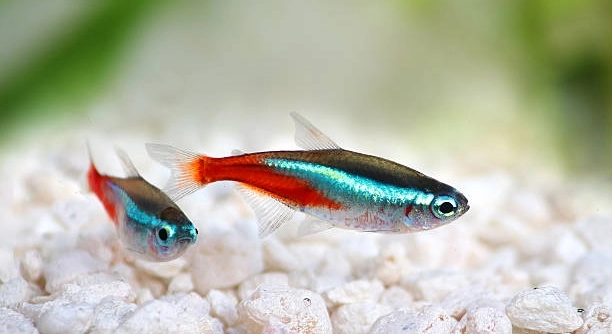
Are your tetra fish acting nervously around bigger tank mates? This behavior is common in community aquariums where fish sizes vary. Understanding why they react this way helps create a peaceful environment for all your aquatic pets.
Tetras are naturally cautious and perceive larger fish as potential threats. This fear triggers their instinct to hide or swim away quickly. Such behavior is an evolutionary survival mechanism that helps them avoid being preyed upon in the wild.
Knowing why tetras behave this way helps you manage your aquarium better. It ensures a calmer tank where every fish can thrive comfortably together.
Why Bigger Fish Intimidate Tetras
Tetras are small and agile fish that rely on their speed and schooling behavior to stay safe. When larger fish are present, tetras become alert and cautious because the bigger fish might see them as potential food. This causes stress and nervous movements, which can affect their health over time. It’s important to recognize that this fear is natural and not a sign of weakness. Bigger fish take up more space and can dominate the tank, limiting where tetras can swim freely. Providing plenty of hiding spots, plants, and decorations helps tetras feel secure and reduces their stress. A tank layout that breaks the line of sight between small and large fish can also help. Choosing peaceful larger species rather than aggressive ones can improve harmony. Careful planning in tank mates and environment design ensures tetras feel safer and more comfortable.
Providing ample cover is essential for reducing tetra stress and encouraging natural behavior.
Creating a balanced tank helps all fish coexist with less tension, improving their well-being and appearance.
How to Help Your Tetras Feel Safer
Adding plants, rocks, and decorations gives tetras places to hide from bigger fish. These shelters allow them to rest and regain confidence without constant fear. Tetras also feel safer when kept in groups of at least six or more. Schooling makes them appear larger and less vulnerable, which helps reduce anxiety. Feeding smaller amounts more frequently distracts them from stress and ensures they get enough nutrition without competition. Monitoring tank conditions closely can catch early signs of stress or illness caused by fear. If larger fish are too aggressive, separating them may be necessary. Keeping the tank clean and stable supports overall health, allowing tetras to handle stress better. Small adjustments in the aquarium setup can lead to big improvements in your tetras’ behavior and happiness.
Signs Your Tetras Are Stressed
Tetras show stress by hiding often, swimming erratically, or losing color. They may stop eating or separate from their group, which is unusual for schooling fish. Stress can also weaken their immune system, making illness more likely.
Watching your tetras’ behavior closely helps catch problems early. Erratic swimming or constant hiding means they feel threatened. Loss of vibrant colors signals poor health due to stress. When tetras stop eating, it can lead to rapid decline in condition. Group separation shows they may be scared or uncomfortable. Identifying these signs early allows adjustments to tank conditions or fish combinations. Stress affects their lifespan and happiness, so addressing it quickly is important for a healthy tank environment.
Environmental factors can add to their stress, like poor water quality or overcrowding. Improving water parameters and reducing tank population may help them relax. Sometimes simply rearranging decorations reduces stress by offering better hiding spots. Avoid sudden changes to minimize anxiety. Stress relief in tetras improves their overall activity and coloration, showing they feel safer.
Choosing Compatible Tank Mates
Selecting peaceful, non-aggressive fish that are similar in size helps prevent tetra stress. Avoid species known to bully or chase smaller fish. Compatibility promotes harmony and reduces fear-based behaviors.
Fish species that share similar temperaments and swimming levels create a calm environment for tetras. Ideal tank mates include other small, peaceful fish like rasboras or small danios. Larger or territorial fish often intimidate tetras, leading to constant stress. Researching species behavior before adding new fish ensures compatibility. Introduce new tank mates gradually and observe interactions closely. Providing plenty of space and hiding spots helps all fish feel secure. Careful selection and monitoring of tank mates support a stable, peaceful aquarium where tetras thrive and display natural behavior.
Tank Setup Tips to Reduce Fear
Providing plenty of plants and hiding spots helps tetras feel safe from bigger fish. Dense vegetation offers shelter and breaks direct sight lines, reducing stress.
Keeping the tank well-organized with decorations spaced out allows tetras to escape and avoid constant exposure to larger fish.
Feeding Strategies for Tetras
Feeding small amounts multiple times a day prevents competition and stress during meal times. It ensures tetras get enough nutrition without feeling rushed. Using sinking pellets or flakes designed for small fish helps target feeding to tetras instead of larger tank mates. Consistent feeding schedules support their health and reduce anxiety caused by hunger or aggression during feeding.
Water Quality and Stress
Clean, stable water conditions are essential for reducing stress in tetras. Poor water quality can worsen fear responses and weaken their immune system.
Observation and Adjustment
Regularly watching your tetras’ behavior allows you to notice stress signs early. Adjust tank conditions as needed to improve their comfort and safety.
Why do my tetras hide so much when bigger fish are around?
Tetras instinctively hide to avoid predators. Bigger fish appear threatening, triggering their natural survival response. Hiding helps them stay safe by staying out of sight. This behavior is common and shows they are trying to protect themselves, not that something is wrong with your tank setup.
Can bigger fish harm my tetras physically?
Yes, larger fish can injure or stress tetras by chasing or bullying them. While some big fish are peaceful, others may see tetras as food or competitors. Physical harm may include fin nipping or causing injuries from chasing. Keeping compatible tank mates minimizes this risk and promotes harmony.
How can I tell if my tetras are stressed?
Signs of stress include hiding excessively, loss of color, erratic swimming, and reduced appetite. Stressed tetras may also separate from their school or appear lethargic. Watching for these changes early helps you take action to improve their environment and reduce fear.
Are certain fish better tank mates for tetras?
Yes, peaceful fish of similar size, such as rasboras, small danios, or other tetras, are good companions. Avoid aggressive or much larger species that intimidate or harm tetras. Compatibility in temperament and size reduces stress and keeps the community tank balanced.
What tank conditions help reduce fear in tetras?
A well-planted tank with plenty of hiding spots lowers stress by providing security. Stable water quality, moderate lighting, and enough swimming space help tetras feel comfortable. Avoid overcrowding, as tight spaces increase stress and aggression among fish.
How often should I feed my tetras?
Feed small amounts two to three times daily to reduce competition and stress. Multiple feedings ensure all fish get enough nutrition without rushing. Using foods suitable for small fish helps target feeding and minimizes leftovers that can foul the water.
Will rearranging tank decorations help with fear issues?
Yes, rearranging plants and decorations can break lines of sight between tetras and bigger fish. This reduces constant visual exposure and allows tetras to find safer spots. Changing tank layout occasionally can refresh hiding places and lower stress.
Can tetras get used to bigger fish over time?
Sometimes, tetras may become more confident if larger fish show no aggression and the environment is stable. However, their natural instincts don’t disappear completely. Consistent peaceful interactions and proper tank setup help tetras adjust better to bigger tank mates.
Is it necessary to separate aggressive fish from tetras?
Yes, separating aggressive or overly large fish is important to protect tetras from injury and stress. If bullying or chasing persists despite tank adjustments, rehoming or isolating aggressive fish helps maintain a peaceful aquarium.
How important is water quality for reducing tetra stress?
Water quality is crucial. Poor water conditions increase stress and make tetras vulnerable to disease. Regular testing, water changes, and filtration maintain a healthy environment, helping tetras cope better with potential threats from bigger fish.
What role does schooling play in reducing fear?
Schooling helps tetras feel safer by confusing predators and increasing their visibility as a group. Keeping tetras in groups of six or more strengthens this effect and reduces individual stress. A strong school discourages bullying from bigger fish.
Are there signs that bigger fish are being aggressive?
Aggressive behavior includes chasing, nipping fins, blocking access to food or hiding places, and constant intimidation. If you notice these signs, it indicates bigger fish are causing stress and the tank setup or fish selection needs review.
Can stress from bigger fish affect tetra health long-term?
Yes, chronic stress weakens the immune system, making tetras more prone to illness and shorter lifespans. Stress can also reduce breeding success and alter natural behavior. Managing fear is essential for their overall well-being and longevity.
What should I do if my tetras never stop hiding?
If tetras remain hidden constantly, evaluate tank mates, tank size, and environmental conditions. Increase hiding spots and consider separating or removing aggressive fish. Improving water quality and maintaining a calm environment can encourage tetras to become more active.
Are there tank sizes that help reduce fear in tetras?
Larger tanks provide more space for all fish to establish territories and avoid constant contact. Ample space reduces stress by allowing tetras to swim freely and escape bigger fish. A tank of at least 20 gallons is recommended for small tetra groups with compatible mates.
Does lighting affect tetra stress levels?
Bright lighting can increase stress by exposing tetras and making them feel vulnerable. Moderate or dim lighting with shaded areas helps tetras feel secure. Using floating plants or adjustable lights creates natural shadows and hiding places.
How does tank maintenance impact tetra fear?
Regular cleaning and water changes prevent buildup of toxins that stress fish. A stable environment with clean water supports healthy behavior and reduces anxiety. Neglecting maintenance leads to poor water quality, which intensifies fear responses and health issues.
Can stress from bigger fish cause changes in tetra behavior?
Yes, fear can cause tetras to become withdrawn, less active, or aggressive themselves. They might stop schooling or show abnormal swimming patterns. Monitoring behavior changes helps identify stress sources so adjustments can be made promptly.
Is adding more tetras a good way to reduce fear?
Adding more tetras strengthens schooling behavior, making individuals feel safer. However, overcrowding should be avoided to prevent competition and stress. Balance group size with tank capacity and filtration to maintain a healthy community.
How do I know if my tank is too crowded for tetras?
Signs include aggressive behavior, poor water quality, reduced swimming space, and stressed fish. Overcrowding increases competition for food and hiding spots, intensifying fear of bigger fish. Following stocking guidelines helps prevent these issues and keeps tetras calm.
When keeping tetras in a community aquarium, understanding their natural behavior is essential. Tetras are small, peaceful fish that rely on safety in numbers and hiding spots to feel secure. Bigger fish can make them nervous because of their size and presence, which triggers the tetras’ survival instincts. This natural caution is important to respect when designing your tank environment. Providing plenty of plants, decorations, and enough space helps tetras manage their fear and reduces stress. These measures create a more comfortable space where tetras can swim freely and behave normally without feeling constantly threatened.
Stress caused by larger fish can affect tetras in many ways, including reduced appetite, loss of color, and weakened immune systems. Monitoring your fish closely helps catch these signs early, so you can make necessary changes to their environment. Adjusting tank mates, rearranging decorations, or improving water quality are practical steps that often improve the situation. Feeding your tetras small amounts frequently can also reduce stress during meal times. Keeping tetras in groups of six or more strengthens their schooling instinct, which helps them feel safer and less vulnerable to bigger fish. Taking these actions can support their overall health and longevity in your aquarium.
It is important to remember that each aquarium is unique, and what works for one setup may need adjustments in another. Careful observation and regular maintenance are key to creating a peaceful and balanced tank. Patience is also necessary because tetras may take time to adjust to their surroundings and tank mates. With the right environment and care, tetras can thrive alongside larger fish without constant fear. Focusing on tank harmony will provide you with a beautiful, active community where all fish live comfortably and display their best natural behaviors.

Hello,
If you enjoy the content that we create, please consider saying a "Thank You!" by leaving a tip.
Every little bit helps us continue crafting quality advice that supports the health, happiness, and well-being of pets around the world, for pets of all shapes, sizes, and species.
We really appreciate the kindness and support that you show us!