
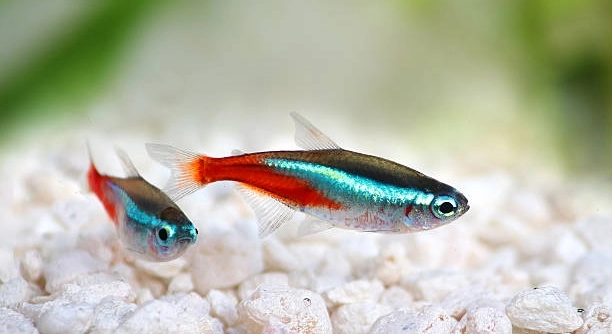
Do your tetras sometimes act more aggressive than usual, nudging and chasing each other around the tank without any clear reason?
Tetras push each other around primarily due to territorial behavior, stress, or competition for resources such as food or hiding spots. These actions are common, especially in smaller groups or poorly arranged environments.
Understanding the causes behind this behavior can help you create a more peaceful and healthy home for your fish.
Why Tetras Start Pushing Each Other
Tetras are social fish, but they can still show signs of dominance and stress. When your tetras push each other, it often means something in the tank environment is off. These small nudges and fast chases may seem harmless at first, but they are often signs that the group dynamic isn’t working well. A tank that’s too small, overcrowded, or lacks hiding spots can lead to frustration. Poor water quality or irregular feeding times can also increase tension among fish. Some tetras may try to show dominance, especially if the group is too small. Keeping tetras in larger groups can help spread out aggression and create more stable behavior patterns. Watching how they interact gives you clues about what needs adjusting. These small changes in behavior can be your fish’s way of telling you something’s not right.
A group of six or more tetras helps reduce stress and prevents aggressive interactions by encouraging more balanced schooling behavior.
Tetras that feel unsafe or under pressure are more likely to act out. This can happen if their tank lacks proper shelter, if they’re exposed to frequent noise or vibrations, or if new tankmates are added without preparation. If they’re consistently pushing one another, check water parameters, space, and feeding routines.
How to Keep the Peace in Your Tank
Creating a calm tank starts with giving your fish enough space and proper conditions to thrive.
To reduce pushing and stress, aim for a tank of at least 20 gallons for a small group of tetras. This gives them space to swim and form a strong school. Add plants and decorations that break up the line of sight and provide hiding places. Make sure the filter is running properly and that the water is clean, with consistent temperatures. Tetras prefer soft, slightly acidic water, so test regularly. Feed them small portions two to three times a day, and avoid overfeeding. If you’re introducing new fish, do it slowly and give the tank time to adjust. Always observe your tetras after any change—subtle signs in their swimming or feeding may indicate stress. Try to avoid keeping them with overly active or aggressive fish, as this can increase tension. A well-balanced tank keeps your tetras healthy and reduces unwanted behavior.
Signs That Pushing Has Become a Problem
If the pushing leads to torn fins, loss of color, or hiding, it may be more than just harmless behavior. Injuries or changes in appetite are also signs your tetras are stressed and need intervention.
Aggressive pushing can cause fish to isolate themselves, which isn’t typical for schooling species like tetras. When this happens, it’s often due to a breakdown in the group’s social structure. Tetras rely on numbers for safety, so when one or two become dominant, the rest may suffer. You might notice some fish hovering near corners or behind plants, avoiding others. This usually means they’re feeling threatened. It’s important to observe these changes early, as stress can lead to illness. Make sure they aren’t competing too hard for food or space. These signs show it’s time to re-evaluate your tank’s setup, including group size and environmental conditions.
A stressed tetra can develop health issues, such as weakened immunity or fin rot. If pushing is ongoing and paired with changes in appearance or swimming, it’s no longer harmless. Healthy tetras swim smoothly in groups, eat regularly, and remain active. When they start acting differently, they’re usually reacting to something in their surroundings. Over time, stress leads to long-term health problems or death. Start by checking the water parameters and tank size, then look at the fish-to-space ratio and any recent changes in their routine. Reducing triggers and giving them space to reestablish their group dynamic often improves behavior. Pay attention to how they interact after each adjustment.
When It’s Normal and When It’s Not
Mild chasing or nudging between tetras can be normal, especially during feeding times or when establishing social rank. As long as it doesn’t cause injuries or isolation, it usually doesn’t require action.
More serious behavior shows up when the same fish is constantly targeted or excluded. This might mean your tank is too small, or the group size isn’t right. A group of three or four isn’t enough for tetras to spread out aggression, so the dominant ones focus on a few. Increasing the group to six or more helps balance out the interactions. Sometimes pushing happens after changes in lighting or tank layout—tetras may need time to adjust. Watch closely when introducing new fish or decor. If the aggressive behavior lasts more than a few days or gets worse, you’ll need to step in. Keeping track of which fish are involved and when it happens helps guide your next steps.
What to Adjust First
Start by checking the water parameters—ammonia, nitrite, nitrate, pH, and temperature. Poor water quality can stress fish and increase aggression. Clean the tank if needed, and make sure your filter is working properly.
Next, look at tank size and group numbers. A tank under 20 gallons may be too tight for active fish like tetras.
Creating the Right Tank Setup
Use plants and decorations to give your tetras places to hide and reduce direct line-of-sight. This helps break up aggression and offers retreat spots for less dominant fish. Live plants like java fern or hornwort work well and are easy to manage. Keep open space in the middle for schooling. Use soft lighting, as bright lights can make tetras feel exposed. Avoid reflective surfaces that may trigger defensive behavior. Maintain a stable environment with regular water changes and quiet surroundings. Remove aggressive tankmates or overcrowding to keep things balanced. A calm tank setup encourages healthier, more peaceful behavior.
When to Rehome a Tetra
If one fish is consistently aggressive despite changes, rehoming might be the best option to protect the others.
FAQ
Why are my tetras only aggressive at feeding time?
Feeding time often brings out competition, especially in small tanks or when food is limited. Tetras may push or chase to reach the food first. This is more noticeable if they aren’t being fed enough or if the food sinks too quickly. Try spreading the food across the tank or using slow-sinking flakes to reduce tension. Feeding smaller portions more often can also help. Make sure all fish have a chance to eat without rushing or crowding one another. Consistent feeding schedules reduce anxiety and help create a more relaxed tank routine.
Do different tetra species get along with each other?
Many tetra species can live together peacefully, but it’s important to group similar types. Some, like black skirt tetras, can be more assertive than peaceful species like ember or neon tetras. Mixing very active or slightly larger tetras with more timid ones may cause stress or pushing. Try to group fish by size and behavior type. Always watch closely when introducing different species. If one type seems to dominate, consider keeping them in separate tanks or rearranging the setup to reduce stress. Balanced groups help reduce unwanted aggression between species.
Is it normal for new tetras to be chased when added to the tank?
Yes, some initial chasing is common when new tetras are introduced. This is usually temporary as the fish adjust to each other and establish their group structure. Make sure the group is large enough and that you’re not introducing just one or two fish. Adding three or more new tetras at a time helps avoid singling out one. Keep an eye on the behavior for a few days. If the chasing doesn’t stop or becomes aggressive, check your tank setup and consider separating them temporarily.
How can I tell if the pushing is playful or serious?
Playful chasing tends to be short, with no injuries or signs of stress. The fish will return to the group, continue swimming normally, and show no signs of hiding or rapid breathing. Serious pushing, on the other hand, often targets the same fish over and over. You might see torn fins, faded color, or a fish staying near the bottom or behind plants. If one fish is clearly avoiding others and missing out on food, it’s likely stress-related behavior. Use these signs to decide if action is needed.
Can adding more decorations help reduce pushing?
Yes, adding more plants, caves, or decorations can break up sightlines and give each fish personal space. Tetras often feel more secure when they have places to hide and when they aren’t constantly visible to one another. Natural-looking setups with driftwood, rocks, or silk plants can reduce tension. Just make sure you don’t overcrowd the tank, as too much decor can also limit swimming space. The goal is to create a balanced layout with both shelter and open space for schooling.
Should I separate aggressive tetras from the group?
If one tetra continues to chase and nip at others despite adjustments, it may be time to isolate it. Use a separate tank or a breeding box inside the main tank to reduce contact. This helps calm the situation and gives the group a break. Sometimes, after a few days apart, the aggressive fish can be reintroduced with better results. If aggression returns, consider rehoming the fish. Chronic aggression can lead to stress and health issues for the entire group.
Is pushing more common in small tanks?
Yes, smaller tanks leave less room for schooling and make it easier for dominant fish to corner others. Tetras do better in long tanks where they can swim in groups and spread out. A minimum of 20 gallons is recommended for most small tetra groups. The extra space helps lower stress and allows for better tank layout. With more room, fish can avoid each other when needed and are less likely to fight over territory or food. Tank size plays a big role in overall behavior.
Final Thoughts
Tetras are active and social fish, but they still need the right environment to stay calm and healthy. Pushing and chasing can happen from time to time, and in many cases, it’s not something to worry about. Small bursts of movement or playful nudges are part of their group behavior. However, it’s important to notice when this shifts into something more serious. If you see one fish getting picked on, hiding often, or showing signs of stress like torn fins or fading color, it’s worth taking a closer look at your tank setup. These signs usually mean the fish are uncomfortable or stressed, and small changes can make a big difference.
Make sure your tetras have enough space to swim freely and stay in a proper group. A small group can lead to bullying, while a group of six or more spreads out the attention and creates more stable behavior. Your tank should also have areas where fish can hide and rest without being seen all the time. Live or artificial plants, caves, and rocks help with this. Avoid overcrowding, as it limits swimming room and raises stress levels. Keep your water clean and stable by checking it regularly. Even small imbalances in water quality can lead to aggression or illness. Feeding should also be consistent and fair—this prevents pushing during mealtimes and helps all fish feel secure.
If pushing continues even after you’ve made changes, take time to observe the fish closely. Watch how often it happens, who’s involved, and if any fish are getting hurt or left out. You may need to rehome an overly aggressive fish or separate it for a short time to calm things down. Not all tetras have the same temperament, so it’s okay to make changes based on your fish’s behavior. With the right care and setup, your tetras can live peacefully, showing their natural schooling behavior and bright colors. Paying attention to their actions and keeping their environment healthy will help prevent future problems and keep your aquarium a relaxing place—for both you and your fish.

Hello,
If you enjoy the content that we create, please consider saying a "Thank You!" by leaving a tip.
Every little bit helps us continue crafting quality advice that supports the health, happiness, and well-being of pets around the world, for pets of all shapes, sizes, and species.
We really appreciate the kindness and support that you show us!