
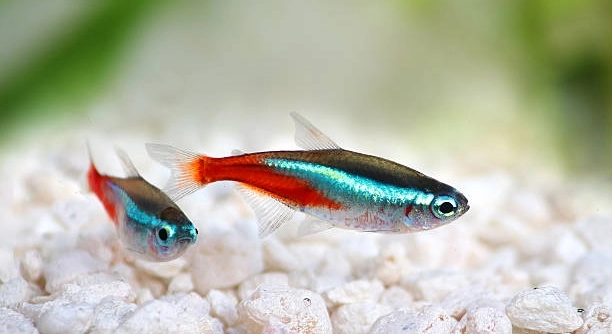
Tetras are popular aquarium fish that can sometimes suffer from bacterial infections. These infections affect their health and overall well-being in the tank. Understanding common causes helps in preventing and managing these issues effectively.
Bacterial infections in tetras are primarily caused by poor water quality, stress, overcrowding, injuries, improper diet, introduction of infected fish, and inadequate tank maintenance. Each factor creates an environment where bacteria can thrive and infect the fish.
Recognizing these causes can improve the care you provide and protect your tetras from common health problems. The following sections explain each factor clearly to support your aquarium management.
Poor Water Quality
Maintaining clean water is essential for keeping tetras healthy. Dirty or polluted water creates stress and weakens their immune systems, making them vulnerable to bacterial infections. Waste from uneaten food, fish excrement, and decaying plants all contribute to poor water conditions. High levels of ammonia, nitrites, and nitrates are harmful and encourage bacterial growth. Regular water testing and partial water changes are necessary to keep these levels low. A good filtration system helps remove debris and toxins, supporting a stable environment. Without proper care, harmful bacteria multiply quickly, leading to diseases that can spread to other fish in the tank.
Testing water regularly helps catch problems early. Simple tools can measure ammonia and nitrate levels, ensuring the water remains safe for tetras. Staying on top of water quality avoids health issues before they start.
Understanding how water quality impacts your tetras helps prevent infections. Consistent cleaning and filtration reduce bacteria growth, supporting healthy fish. Keeping the tank environment balanced is one of the easiest ways to protect your tetras from common diseases.
Stress and Overcrowding
Stress in tetras often results from overcrowding or sudden changes in their environment. Overcrowded tanks reduce swimming space and increase competition for food and oxygen. This constant pressure weakens their immune defenses, making them more susceptible to bacterial infections. Frequent disturbances like rapid temperature changes, loud noises, or aggressive tank mates also add stress. Even minor injuries from fighting or bumping into tank decorations can open the door for bacteria to infect the fish. Maintaining a proper number of tetras for your tank size and providing a calm environment minimizes stress and keeps your fish healthier.
Reducing stress prevents illness and helps tetras live longer, more vibrant lives.
Stress impacts fish behavior and health significantly. In overcrowded tanks, limited space causes tetras to compete aggressively, resulting in injuries or weakened immunity. Sudden environmental shifts disrupt their natural rhythms, making them more vulnerable to infections. By controlling the number of fish and avoiding abrupt changes, you create a stable setting that supports their well-being. Observing your tetras for signs of stress like hiding or erratic swimming can help you act quickly. Simple adjustments like adding plants for hiding spots or regulating water temperature improve their comfort. Reducing stress factors is an effective way to keep bacterial infections at bay and promote a peaceful aquarium.
Injuries and Physical Damage
Injuries can happen easily in a tetra’s tank. Sharp decorations, rough handling, or fights with other fish cause wounds. These injuries allow bacteria to enter and cause infections quickly.
Even small scratches can become infected if not treated. It’s important to remove anything sharp or rough from the tank. Avoid overcrowding to reduce fighting. Monitor your tetras closely for any signs of physical damage. Treat wounds with appropriate medication to prevent bacterial growth.
Keeping the tank safe and calm helps your tetras avoid injuries. Regular observation lets you catch problems early and act quickly. Clean water supports faster healing and reduces infection risk.
Improper Diet and Nutrition
Tetras need a balanced diet for strong immune systems. Poor nutrition weakens their ability to fight off bacteria. Feeding only one type of food or low-quality flakes can cause deficiencies.
A varied diet with quality flakes, frozen or live food supports their health. Proper nutrition helps maintain vibrant colors and energy levels. Nutrient-rich food strengthens resistance to infections.
Avoid overfeeding, as leftover food pollutes water and promotes bacterial growth. Feeding small amounts multiple times daily is better than large portions. Balanced feeding ensures your tetras get essential vitamins and minerals to stay healthy and avoid bacterial infections.
Introduction of Infected Fish
Adding new fish without proper quarantine can introduce bacteria to your tank. Infected tetras carry bacteria that quickly spread to healthy fish, causing outbreaks.
Quarantine new arrivals for at least two weeks to monitor for signs of illness. This step reduces the risk of infection spreading to your established fish.
Inadequate Tank Maintenance
Regular cleaning is crucial to prevent bacterial infections. Uneaten food and waste build up quickly, providing a breeding ground for harmful bacteria. Skipping water changes and filter maintenance disrupts the tank’s balance, weakening fish health and immunity. Maintaining a consistent cleaning schedule helps keep the environment safe and supports your tetras’ well-being.
Poor Filtration
A weak or clogged filter fails to remove waste and toxins properly. This allows bacteria to thrive and increases the risk of infections spreading. Reliable filtration is essential for a healthy tank environment and fish safety.
FAQ
How can I tell if my tetra has a bacterial infection?
Signs of bacterial infection include cloudy eyes, red streaks or sores on the body, lethargy, loss of appetite, and rapid breathing. You may also notice unusual swimming behavior or clamped fins. Early detection helps in treating infections before they worsen.
What should I do if I suspect a bacterial infection in my tetra?
Isolate the affected fish in a quarantine tank to prevent spreading. Test water quality and improve tank conditions immediately. Treat with antibacterial medications recommended for aquarium use, following the instructions carefully. Keep the tank clean and monitor other fish closely.
Can poor water quality alone cause bacterial infections?
Yes, poor water quality stresses fish and encourages bacterial growth. Ammonia and nitrite spikes damage fish skin and gills, making it easier for bacteria to invade. Regular water changes and proper filtration reduce these risks significantly.
Is it necessary to quarantine new fish before adding them to my tank?
Quarantining new fish for at least two weeks helps detect diseases or infections early. It prevents introducing bacteria or parasites into your established tank, protecting your existing tetras from potential outbreaks.
How often should I clean my tank to prevent bacterial infections?
Perform partial water changes of 20-30% weekly or biweekly, depending on tank size and stocking levels. Clean the substrate to remove waste and uneaten food, and maintain the filter regularly. Consistent maintenance prevents harmful bacteria buildup.
Can stress cause bacterial infections in tetras?
Yes, stress weakens fish immune systems, making them more vulnerable to infections. Causes of stress include overcrowding, poor water quality, sudden temperature changes, and aggressive tank mates. Reducing stress factors supports healthier fish.
What foods help strengthen my tetra’s immune system?
A varied diet with high-quality flakes, frozen or live foods like brine shrimp and bloodworms provides essential nutrients. Vitamins and minerals in these foods boost immune defenses, helping tetras resist infections more effectively.
Are there any natural ways to prevent bacterial infections?
Maintaining a stable tank environment with clean water, proper nutrition, and low stress is the best natural prevention. Adding live plants can improve water quality and reduce bacteria. Avoid overcrowding and quarantine new fish to minimize risks.
How long does it take for bacterial infections to clear up with treatment?
Treatment duration varies but typically takes 7 to 14 days. Continue medication as directed, even if symptoms improve early. Complete the full course to ensure the infection is fully eradicated and prevent recurrence.
Can bacterial infections come back after treatment?
Yes, infections can return if underlying issues like poor water quality or stress remain unresolved. Maintaining good tank conditions and monitoring fish health regularly help prevent reinfection. Follow preventive care guidelines consistently.
Taking care of tetras means paying close attention to their environment and health. Bacterial infections are common but mostly preventable with the right care. Keeping the water clean, providing a balanced diet, and avoiding overcrowding are the main steps to protect your fish. When the tank is well-maintained and the fish are not stressed, they are less likely to fall sick. Simple actions like regular water changes and observing your fish daily can make a big difference.
If you notice any signs of illness, it’s important to act quickly. Early treatment helps stop infections from spreading and reduces the chance of long-term damage. Quarantining new fish before adding them to the main tank also lowers the risk of introducing bacteria. Maintaining a stable, calm environment helps keep your tetras strong and healthy over time. Paying attention to small details like removing sharp objects or feeding the right food supports their well-being.
In the end, caring for tetras requires patience and consistency. Bacterial infections can be discouraging, but understanding their causes makes prevention easier. By focusing on water quality, nutrition, tank maintenance, and stress reduction, you create the best conditions for your tetras to thrive. Healthy fish are more active and colorful, making your aquarium a pleasant and rewarding space. Taking these steps helps you enjoy your tetras with less worry and more confidence.

Hello,
If you enjoy the content that we create, please consider saying a "Thank You!" by leaving a tip.
Every little bit helps us continue crafting quality advice that supports the health, happiness, and well-being of pets around the world, for pets of all shapes, sizes, and species.
We really appreciate the kindness and support that you show us!