
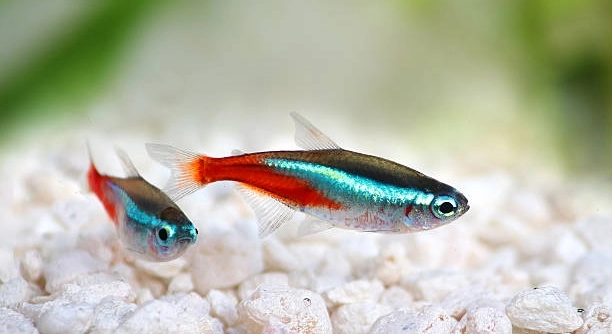
Are your tetras spending all their time huddled together in one spot instead of swimming freely around the tank like usual?
Tetras often swim in the same spot due to stress, poor water conditions, temperature fluctuations, or a lack of oxygen. These behaviors are usually signs that something in their environment is out of balance or causing discomfort.
Learning how each factor influences their behavior will help you create a more comfortable and stable environment for your tetras to thrive.
Common Reasons Tetras Stay in One Spot
Tetras may stay in one spot when the water quality isn’t right. Poor water conditions—like high ammonia, nitrites, or low oxygen—can make them uncomfortable. If the tank hasn’t been cleaned regularly or the filter isn’t working properly, the environment becomes stressful. Another reason is sudden changes in temperature. These fish need a consistent temperature between 72–80°F. If it’s too cold or too warm, they might cluster together, trying to feel secure. Tetras also react to lighting. Strong or sudden light changes may cause them to stay still. In smaller tanks or overcrowded setups, territorial stress becomes another factor. They might group to feel protected. It’s important to look closely at these details when you notice changes in their swimming behavior.
Stress also builds up if your tetras don’t feel safe. Without plants or hiding spaces, they might freeze in one corner.
Testing water and maintaining a stable, quiet environment often makes a quick difference.
How to Fix the Problem
Make sure your tank is at the right temperature, between 72–80°F. Keep lighting gentle and give them time to adjust after turning it on.
Start by testing ammonia, nitrite, nitrate, and pH levels. Use a reliable test kit and check the filter for clogs or poor flow. Add an air stone if oxygen seems low. A 25–30% water change can help reset the balance. Adjust temperature gradually if needed—never change it all at once. Add live plants or decorations for shelter. These give your tetras places to feel safe and reduce their need to huddle. Avoid sudden loud sounds or frequent tapping on the tank, which can frighten them. Feed them a varied, high-quality diet in small amounts. Overfeeding leads to waste, which can quickly ruin water quality. Make sure your tank isn’t overcrowded, and keep schooling groups of at least six tetras. Regular maintenance and observation will help prevent this behavior from happening again.
Other Behaviors to Watch For
If your tetras are not just staying in one spot but also swimming oddly, breathing heavily, or refusing food, it could signal a bigger issue. These signs often point to stress, illness, or unsuitable water conditions.
Erratic swimming, such as darting around the tank or staying near the surface, can indicate a sudden drop in oxygen or a spike in toxins like ammonia. Gasping at the surface may mean there’s not enough oxygen in the water, while a loss of appetite might signal internal parasites or infections. Faded color and clamped fins are also signs that your tetras are not feeling well. It’s important to respond quickly when these signs appear. Even one or two of these symptoms can escalate quickly. Make sure to monitor their behavior consistently and compare it to how they usually act, not just on one particular day.
Rapid breathing and twitchy movements could also come from poor water circulation or sudden pH swings. Tetras are sensitive to these changes. If your filter isn’t moving water effectively across the tank, the water may become stale in spots, causing distress. Make sure all equipment is working well. If your fish continue showing signs of stress even after water changes, consider separating any sick ones into a quarantine tank to prevent spreading illness.
When to Seek Help
If your tetras continue acting strangely after adjusting their tank environment, it’s time to get professional advice. Persistent changes in behavior often suggest something deeper, like a hidden disease or infection that needs treatment.
A local aquarium specialist or aquatic veterinarian can help diagnose specific issues. Bring a sample of your tank water for testing, and note down everything unusual you’ve observed—such as how long the tetras have been inactive or if other fish are affected. Sometimes, internal parasites or bacterial infections go unnoticed until symptoms worsen. Treatments like antibiotics or antiparasitics should only be used when needed, and with guidance. Also, avoid using multiple treatments at once. Overmedicating can be just as harmful. If your tank setup is new or recently changed, mention that too—small disruptions can sometimes lead to lasting effects if not handled carefully. Don’t ignore persistent problems. Early help can prevent long-term damage to your fish’s health.
The Role of Tank Mates
Aggressive tank mates can cause tetras to hide or group tightly in one spot. If other fish chase or nip at them, it increases stress and makes them feel unsafe. Always choose peaceful species to keep with tetras.
Fish that move too quickly or dominate the tank can make tetras anxious. Look for signs like torn fins or skittish behavior. Removing the aggressive fish or adding more hiding spots often helps reduce tension and allows your tetras to swim freely again.
Importance of Tank Size
Tetras need space to swim and feel secure in their environment. A tank that is too small or crowded limits their movement and raises stress levels. For most tetra species, a minimum of 10–20 gallons is ideal, depending on the size of the group. Overcrowding leads to poor water quality and competition for resources. Make sure the tank is long rather than tall—tetras prefer horizontal swimming space. Giving them open areas to swim along with spots to hide supports natural behavior. A balanced setup encourages them to spread out rather than huddle in one place all the time.
Lighting and Noise Levels
Bright lighting and constant noise from nearby activity can cause tetras to stay in one place. Keep lighting soft and avoid placing the tank in high-traffic areas with frequent disturbances.
FAQ
Why do my tetras swim together in one spot all the time?
Tetras naturally school together for safety, but when they stay in one spot constantly, it usually means something is off. It can be stress from water quality issues, temperature changes, or poor oxygen levels. They may also feel threatened by other fish or environmental changes. Keeping the water clean, stable, and providing hiding spaces helps reduce this behavior.
Is it normal for tetras to stay still sometimes?
Yes, tetras resting in one place occasionally is normal, especially during nighttime or when they feel secure. However, if they remain motionless for long periods during the day, it may indicate stress, illness, or water problems that need to be addressed quickly.
Can poor water quality cause my tetras to act differently?
Absolutely. High levels of ammonia, nitrites, or nitrates are harmful and can cause tetras to group tightly or stay in one spot to avoid areas with bad water. Regular water tests and maintenance are essential to keep the tank safe and healthy for your fish.
What is the ideal temperature for tetras?
Most tetras thrive between 72°F and 80°F. Sudden drops or spikes in temperature can make them cluster together or hide. Use a reliable heater and thermometer to maintain a steady temperature that suits your specific tetra species.
How often should I clean my tetra tank?
A partial water change of about 25–30% every one to two weeks is recommended. Clean the gravel and filter regularly, but avoid changing everything at once to maintain beneficial bacteria. Consistent maintenance keeps the water environment balanced and prevents stress-related behaviors.
Can tank size affect how my tetras behave?
Yes. A tank that’s too small or overcrowded causes stress and limits swimming space. This can make tetras stay in one spot or act skittish. Ideally, a tank of at least 10–20 gallons for a small school provides enough room for natural movement and reduces tension.
Do tetras need tank mates?
Tetras are schooling fish and feel safer in groups of at least six. They also prefer peaceful tank mates. Aggressive or fast-moving fish may intimidate them, causing them to hide or stay in one place. Choose compatible species to keep a calm, balanced tank environment.
Why are my tetras gasping at the surface?
Gasping at the surface often means low oxygen levels in the water. Poor circulation, overcrowding, or lack of aeration can cause this. Adding an air stone or improving filtration can increase oxygen and help your tetras feel more comfortable.
Can lighting affect my tetras’ swimming habits?
Strong or sudden changes in lighting can stress tetras, causing them to freeze or hide. Keep lighting soft and consistent. Gradually adjust light levels, especially when turning the tank lights on or off, to mimic natural conditions.
What should I do if my tetras show signs of illness?
Look for symptoms like faded colors, clamped fins, loss of appetite, or unusual swimming patterns. Isolate sick fish in a quarantine tank if possible, and seek advice from an aquarium specialist for proper treatment. Early intervention is key to recovery.
How do I reduce stress for my tetras?
Provide stable water conditions, appropriate tank mates, hiding spots, and a calm environment away from loud noises or vibrations. Feed a balanced diet and avoid overfeeding. Regular observation helps catch problems early before stress becomes serious.
Are there any signs that mean my tetras are happy and healthy?
Healthy tetras swim actively, display vibrant colors, eat well, and school naturally. Their fins stay open and upright. They explore the tank but also use hiding spots comfortably. Regular good behavior like this shows they feel safe and well cared for.
Can adding plants help my tetras feel better?
Yes, live plants offer hiding places and improve water quality by absorbing nitrates. They create a more natural environment that reduces stress and encourages natural behaviors like schooling and exploring.
What should I avoid doing to keep my tetras healthy?
Avoid sudden changes in water temperature or quality, overcrowding, aggressive tank mates, overfeeding, and neglecting regular tank maintenance. Also, avoid using harsh chemicals or too many medications without professional advice.
How important is water pH for tetras?
Tetras generally prefer a pH between 6.0 and 7.5. Sudden shifts in pH can stress them and cause them to behave abnormally. Keep the pH stable by testing regularly and avoiding mixing incompatible water sources or substrates.
Final Thoughts
Understanding why your tetras stay in the same spot is important for keeping them healthy and happy. This behavior usually signals something in their environment needs attention. It might be water quality, temperature, or even the tank setup. Paying close attention to their swimming habits and surroundings helps catch problems early. By regularly checking water parameters and maintaining a stable tank, you reduce the chances of your fish becoming stressed or ill. It is also key to remember that tetras are sensitive creatures who thrive best in calm and balanced conditions.
Creating the right environment goes beyond just clean water. Providing enough space, proper lighting, and peaceful tank mates plays a big role in how comfortable your tetras feel. Overcrowding and aggressive fish increase stress and cause unusual behaviors like grouping tightly or hiding. Adding plants and decorations gives your tetras places to explore and hide when needed. These small details make a big difference in their overall wellbeing. Watching their behavior over time lets you see what they prefer and helps you adjust the tank accordingly.
If you notice persistent problems despite good care, consulting with an expert can be helpful. Sometimes illnesses or hidden issues require professional advice or treatment. It’s better to act early before problems worsen. Keeping your tetras healthy is an ongoing process of learning and adapting. With patience and attention to detail, you can create a safe and comfortable home for your fish. This not only improves their quality of life but also makes your aquarium more enjoyable to watch.

Hello,
If you enjoy the content that we create, please consider saying a "Thank You!" by leaving a tip.
Every little bit helps us continue crafting quality advice that supports the health, happiness, and well-being of pets around the world, for pets of all shapes, sizes, and species.
We really appreciate the kindness and support that you show us!