
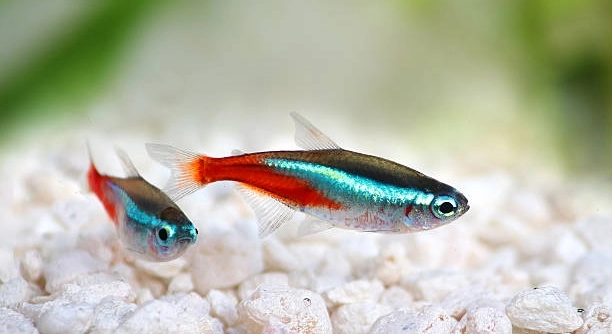
Is your Tetra tank giving off an unpleasant smell that makes enjoying your aquarium difficult? Bad odors are common issues for fish tank owners and can indicate underlying problems with water quality or maintenance. Addressing the smell quickly helps keep your fish healthy.
The primary cause of a bad smell in a Tetra tank is often poor water quality, resulting from infrequent cleaning, overfeeding, or inadequate filtration. Regular maintenance, including water changes and filter cleaning, can effectively reduce odors and maintain a healthy aquatic environment.
Proper tank care improves not only the smell but also the overall health of your fish. The following tips will guide you through simple steps to fix and prevent bad odors in your Tetra tank.
Clean the Tank Regularly
Cleaning your Tetra tank regularly is essential for preventing bad smells. Over time, uneaten food, fish waste, and algae build up on the tank surfaces and substrate. These organic materials break down and release unpleasant odors. By performing partial water changes and scrubbing the tank walls at least once a week, you remove much of this debris. Avoid cleaning everything at once, as this can stress the fish. Instead, clean 20-30% of the water and gently vacuum the gravel. This keeps the environment stable and reduces odor-causing buildup. Regular cleaning also improves oxygen levels and water clarity, helping your fish stay healthy and comfortable.
Consistency is key to preventing odors. Regular maintenance keeps the tank clean without disturbing your fish.
When cleaning, use only aquarium-safe tools and avoid harsh chemicals. Rinse sponges and brushes thoroughly to remove residue. Replace filter media as recommended to maintain effective filtration. Keeping a cleaning schedule helps maintain a fresh-smelling tank and a healthy home for your Tetras.
Check and Maintain the Filter
The filter in your Tetra tank plays a major role in keeping the water clean and odor-free. Filters remove waste particles and harmful substances through mechanical, chemical, and biological filtration. If the filter is dirty or clogged, it cannot do its job properly, leading to a smelly tank. Inspect your filter weekly to ensure it is running smoothly and clean it as needed, following the manufacturer’s guidelines. Avoid cleaning all filter media at once because beneficial bacteria that break down toxins live there. Keeping the filter well-maintained supports water quality and reduces bad odors, making it easier to enjoy your aquarium without unpleasant smells lingering.
Avoid Overfeeding
Overfeeding your Tetras can cause excess food to settle in the tank and rot, producing a foul smell. Feed only what your fish can eat within two to three minutes, once or twice a day. Removing leftover food helps keep the tank clean and odor-free.
When too much food remains uneaten, it decomposes and increases ammonia levels, which harms your fish. Excess food also clogs the filter, reducing its effectiveness. By controlling feeding amounts, you reduce waste and maintain better water quality. Use a small feeding tool or measure portions to avoid guessing.
Consistent feeding habits make a big difference in preventing tank odors. Watching how your fish eat and adjusting accordingly helps keep the environment stable and fresh. This also saves money on fish food and reduces the need for frequent cleaning.
Use Activated Carbon in the Filter
Activated carbon in the filter absorbs impurities and odors that water changes alone may not remove. It helps clarify the water and reduces organic waste buildup, improving tank smell. Replace the carbon every few weeks for optimal performance.
Carbon works by trapping dissolved chemicals and toxins that cause discoloration and odors. It supports the biological filtration process by keeping water clearer and healthier for your fish. Using carbon is especially helpful in tanks prone to smells or after treating with medications.
Keep in mind that activated carbon eventually loses its effectiveness and should be replaced regularly. Removing old carbon prevents it from releasing trapped substances back into the water. Incorporating carbon is an easy way to boost filtration and maintain a clean-smelling tank without extra effort.
Monitor Water Temperature
Water temperature affects the tank’s ecosystem and fish health. Keeping the temperature stable prevents stress and reduces waste buildup that can cause odors. Use a reliable heater and thermometer to maintain the recommended range for Tetras, usually between 72°F and 80°F.
Sudden temperature changes can harm beneficial bacteria in the filter. This disruption lowers water quality and may increase smells. Regularly check and adjust the heater to avoid fluctuations. Consistent temperature control supports a balanced tank environment and keeps your Tetras comfortable.
Avoid Overcrowding
Too many fish in a tank create excess waste, which leads to poor water quality and bad odors. Each fish produces waste that the filter must process, and overcrowding can overwhelm the system.
Keeping the number of fish appropriate for your tank size helps maintain clean water and reduces the risk of smell problems. A general rule is one inch of fish per gallon of water.
Perform Regular Water Testing
Testing your tank water frequently helps detect harmful chemicals like ammonia, nitrites, and nitrates. These substances contribute to bad smells and fish health problems. Using test kits allows you to take action before issues worsen.
FAQ
Why does my Tetra tank smell bad even after cleaning?
A bad smell may persist if the filter is not cleaned properly or if there is leftover uneaten food and waste in hard-to-reach areas. Some bacteria buildup in the gravel or decorations can also cause odors. It’s important to clean the filter media gently, vacuum the substrate well, and scrub tank surfaces regularly. Sometimes, the water source itself may contribute to odors if it contains high minerals or contaminants. Checking your water and using activated carbon in the filter can help reduce persistent smells.
How often should I change the water in my Tetra tank?
Partial water changes of 20-30% should be done weekly to maintain good water quality. Frequent changes help remove dissolved waste and toxins that accumulate over time. Avoid changing all the water at once to prevent shocking your fish and disrupting beneficial bacteria. Regular changes keep the tank fresh and prevent the buildup of odor-causing substances.
Can bad smell be a sign of sick fish?
Yes, a foul odor can sometimes indicate fish illness or dying fish in the tank. Dead or decaying fish release strong smells and can affect water quality quickly. Monitor your fish closely for signs of disease or distress. Remove any sick or dead fish immediately to avoid contamination and odors. Maintaining good water conditions helps keep fish healthy and prevents illness-related smells.
Is it normal for new tanks to smell?
New tanks often develop a musty or earthy smell during the initial cycling process. This is caused by the growth of beneficial bacteria breaking down ammonia and nitrites. The smell usually fades once the tank is fully cycled and stable. Keeping up with partial water changes and avoiding overfeeding during this phase helps reduce unpleasant odors.
Can plants help reduce tank smell?
Live aquatic plants absorb nutrients and waste products, which can reduce algae growth and odors. They also improve oxygen levels and provide a natural environment for your Tetras. However, decaying or dead plant matter left in the tank can contribute to bad smells. Regular trimming and maintenance of plants are necessary to keep the tank clean and odor-free.
How do I know if my filter needs cleaning or replacing?
If water flow slows down or the tank starts to smell, it’s time to check the filter. Clean the mechanical parts like sponges or pads regularly, but avoid replacing all filter media at once to preserve beneficial bacteria. Chemical media such as activated carbon should be replaced every few weeks. If the filter is old or damaged, consider replacing it to maintain proper filtration and prevent odors.
What is the best way to feed Tetras to avoid odors?
Feed small portions once or twice a day, offering only what your fish can eat within a few minutes. Remove any uneaten food after feeding to prevent decay and waste buildup. Using high-quality fish food that produces less waste also helps maintain water quality and reduces bad smells in the tank.
Can poor water source cause smell problems?
Yes, water containing high levels of chlorine, chloramine, or minerals can affect water quality and contribute to odors. Always use a water conditioner to neutralize harmful chemicals before adding water to your tank. Testing your tap water and, if necessary, using filtered or bottled water can improve tank conditions and reduce smells.
How do I prevent algae buildup that causes odors?
Controlling light exposure by limiting tank lighting to 8-10 hours daily helps reduce algae growth. Avoid placing the tank in direct sunlight. Regular cleaning and maintaining proper nutrient levels by not overfeeding and performing water changes also keep algae in check. Algae buildup can lead to musty smells and affect water clarity.
Can aquarium salt help with bad smells?
Aquarium salt can aid fish health by reducing stress and fighting minor infections, but it does not directly eliminate tank odors. Use salt carefully and according to species requirements, as some fish are sensitive to it. Proper cleaning and filtration remain the best methods to control odors.
These FAQs cover common concerns and practical advice for maintaining a fresh-smelling Tetra tank. Regular care and attention to feeding, cleaning, and water quality make the biggest difference in preventing unpleasant odors.
Final Thoughts
Maintaining a clean and fresh-smelling Tetra tank requires regular care and attention. Bad odors are often signs of underlying issues with water quality, feeding habits, or filtration. By staying consistent with cleaning schedules, monitoring the filter, and avoiding overfeeding, you create a healthier environment for your fish. Simple actions like partial water changes, vacuuming the gravel, and using activated carbon in the filter can make a significant difference in controlling smells. Taking these steps ensures that your tank remains both visually appealing and pleasant to be around.
It is important to understand that every aquarium is a small ecosystem. Balancing all the elements—water, fish, plants, and equipment—helps maintain good water conditions. Temperature control and avoiding overcrowding also play a key role in keeping the tank stable and free from excess waste. Testing the water regularly can help detect problems early, giving you a chance to correct them before odors develop. Paying close attention to these details supports the overall well-being of your Tetras and keeps the tank environment fresh.
Ultimately, preventing and fixing bad smells in your Tetra tank is a matter of routine and careful maintenance. While occasional odors can occur, especially in new tanks or during certain changes, they can be managed effectively. Developing habits like feeding the right amount, cleaning parts of the tank regularly, and keeping equipment in good condition will reduce odors over time. A well-maintained tank not only benefits your fish but also makes the experience of keeping an aquarium more enjoyable for you.

Hello,
If you enjoy the content that we create, please consider saying a "Thank You!" by leaving a tip.
Every little bit helps us continue crafting quality advice that supports the health, happiness, and well-being of pets around the world, for pets of all shapes, sizes, and species.
We really appreciate the kindness and support that you show us!