
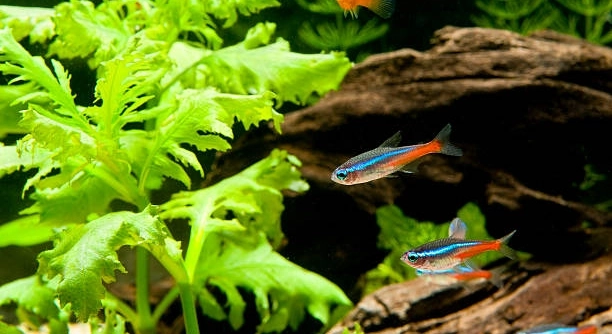
Tetras need special care when getting ready to breed. Feeding them the right foods helps improve their health and increases the chances of successful breeding. Understanding these dietary needs is important for every fish keeper.
Seven key foods support tetra breeding by providing essential nutrients, improving health, and boosting fertility. These foods include live and frozen options, rich in proteins, vitamins, and minerals that encourage reproductive readiness and healthy offspring.
Knowing which foods help your tetra prepare for breeding can make all the difference in your aquarium’s success and your fish’s well-being.
Live Brine Shrimp
Live brine shrimp are a favorite among tetra breeders. These tiny crustaceans are packed with protein and easy for tetras to eat. Feeding live brine shrimp helps boost the energy levels of the fish and encourages natural hunting behavior. This kind of diet simulates what tetras would eat in the wild, which supports their overall health and reproductive success. Because live brine shrimp are rich in essential nutrients, they improve the chances of healthy eggs and fry. Introducing them regularly during breeding preparation can make a noticeable difference in the vitality of the fish. It’s important to provide live brine shrimp in small amounts to avoid overfeeding and water contamination.
Brine shrimp provide high-quality protein that is crucial for tetra growth and breeding readiness.
Adding live brine shrimp to a tetra’s diet mimics their natural feeding habits and supplies vital nutrients. These shrimp are rich in proteins and fats that help improve fertility and egg development. Many breeders observe stronger spawning behavior and healthier fry after including live brine shrimp. Feeding live food also stimulates activity and reduces stress in tetras, contributing to a better breeding environment. However, it’s important to source clean, disease-free brine shrimp to prevent illness. Incorporating live brine shrimp a few times a week is usually enough to support breeding without causing water quality issues.
High-Quality Flake Food
High-quality flake food offers balanced nutrition designed for tropical fish like tetras. It is convenient and contains vitamins, minerals, and proteins to support overall health. When preparing tetras for breeding, using premium flake food ensures they receive all necessary nutrients consistently. This steady diet helps maintain good condition and energy, which are critical for reproduction. The flakes also contain additives to enhance color and immunity, making the fish more attractive and resilient during breeding.
Flake food supports steady health and prepares tetras nutritionally for breeding success.
Using high-quality flake food daily provides tetras with a balanced diet rich in essential nutrients. It helps maintain consistent energy levels and supports immune health, which is important when breeding. Good flake food contains the right mix of proteins, fats, and vitamins that strengthen the fish and improve egg quality. While live and frozen foods are important for variety, flake food acts as a reliable staple. Regular feeding with premium flakes helps reduce stress and supports the complex biological processes involved in spawning. Ensuring your tetras get a balanced diet every day increases the likelihood of successful breeding and healthy fry development.
Frozen Bloodworms
Frozen bloodworms are a nutritious food option that tetras readily accept. They are rich in protein and help enhance breeding conditions by promoting vitality and reproductive health. Bloodworms also encourage natural feeding behaviors in tetras, which can boost their overall well-being.
Feeding frozen bloodworms regularly can improve the fertility of your tetras. The high protein content supports muscle development and energy, essential during breeding. Additionally, bloodworms provide important vitamins and minerals that contribute to egg production and quality. Because they are frozen, bloodworms are convenient and have a longer shelf life than live options. It is best to thaw them before feeding to avoid shocking your fish with cold food. Moderation is key to prevent overfeeding, which can affect water quality and fish health.
Incorporating frozen bloodworms into your tetra’s diet adds variety and essential nutrients that other foods might lack. This diversity in diet keeps your fish healthy and stimulates their natural behaviors. Bloodworms also contain fatty acids that improve egg viability. Regular feeding during breeding preparation can help ensure more successful spawning events and healthier fry. It’s advisable to feed bloodworms two to three times per week alongside other foods for a balanced diet.
Vegetable Matter
Vegetable matter provides fiber and essential vitamins that support the digestive system and overall health of tetras. Including plant-based foods in the diet ensures a balanced nutrition profile, especially important during breeding preparation.
Vegetables like blanched spinach or zucchini can be finely chopped and offered to tetras to boost their nutrient intake. These vegetables contain vitamins such as A and C that support immune function and growth. Fiber helps regulate digestion, which can improve nutrient absorption and reduce waste buildup in the tank. A balanced diet with some plant matter helps maintain energy levels and reduces stress during breeding.
Offering a variety of vegetable matter alongside protein-rich foods can create a more complete diet for your tetras. This balance promotes optimal health and breeding readiness. Vegetables provide antioxidants that protect cells and support recovery after spawning. Regular inclusion of plant foods also aids in maintaining water quality by reducing excess protein waste. Feeding a mix of vegetable and animal-based foods is a simple way to help your tetras thrive during the breeding phase.
Daphnia
Daphnia, also known as water fleas, are an excellent live food for tetras preparing to breed. They are rich in nutrients that boost energy and stimulate natural feeding behaviors. Feeding daphnia can improve breeding success by supporting overall fish health.
Daphnia also help keep the aquarium clean by eating algae and small debris. They are easy to digest, making them ideal for young and adult tetras alike.
High-Protein Pellets
High-protein pellets are specially formulated to meet the dietary needs of breeding tetras. These pellets contain concentrated proteins and essential nutrients to support growth, vitality, and reproductive health. They help maintain steady energy levels during the breeding period.
Feeding pellets regularly provides a consistent nutrient source that supports egg development and spawning behavior. Pellets are convenient and reduce the risk of overfeeding compared to live foods. Using them alongside other food types ensures a well-rounded diet.
Mosquito Larvae
Mosquito larvae are another protein-rich live food that promotes breeding readiness. They are highly nutritious and encourage active feeding habits in tetras. Including mosquito larvae can enhance the health and fertility of your fish.
FAQ
What are the best foods to feed tetras before breeding?
The best foods for tetras preparing to breed are those rich in protein and nutrients. Live foods like brine shrimp, daphnia, and mosquito larvae provide essential proteins that help improve fertility. Frozen options such as bloodworms also work well, offering convenience without sacrificing nutrition. High-quality flake food and pellets should be part of the diet for balanced vitamins and minerals. Including some vegetable matter supports digestion and overall health. Combining these food types creates a varied diet that prepares tetras physically and mentally for spawning.
How often should I feed breeding tetras live food?
Feeding live food two to three times a week is enough to support breeding without causing water quality issues. Overfeeding live food can lead to excess waste, which harms the tank environment and the fish. On other days, supplement the diet with high-quality flakes, pellets, or vegetable matter. This schedule ensures tetras get necessary nutrients while maintaining a clean tank, which is vital during breeding to reduce stress and disease risk.
Can I feed only flakes to my breeding tetras?
Feeding only flakes is not ideal for breeding tetras. While flakes provide balanced nutrition, they lack the variety and natural stimulation live or frozen foods offer. Protein-rich live or frozen foods are important to trigger spawning behavior and improve egg quality. Flakes can serve as a daily staple but should be combined with live or frozen foods for best results during breeding preparation.
Is it necessary to include vegetable matter in a tetra’s diet before breeding?
Yes, vegetable matter is beneficial before breeding because it adds fiber and essential vitamins. Fiber aids digestion, which helps fish absorb nutrients better. Vitamins from plant sources support immune health and reduce stress, important factors during breeding. Offering small amounts of blanched vegetables like spinach or zucchini complements the protein-rich foods and helps keep your tetras healthy and ready to spawn.
How do live foods like brine shrimp and daphnia improve breeding success?
Live foods like brine shrimp and daphnia improve breeding success by mimicking natural diets. These foods provide high-quality protein and fats that stimulate reproductive organs and egg production. Feeding live foods also encourages natural hunting behavior, which reduces stress and promotes overall vitality. Healthy, active tetras are more likely to spawn successfully and produce strong, viable offspring.
Are frozen foods as good as live foods for breeding tetras?
Frozen foods can be nearly as effective as live foods if properly prepared. They offer high nutritional value and are easier to store and handle. Thaw frozen foods like bloodworms before feeding to avoid temperature shock. While live foods encourage more natural behavior, frozen foods provide a good alternative when live options aren’t available or practical.
How important is water quality during feeding for breeding tetras?
Water quality is critical during feeding, especially when preparing tetras for breeding. Overfeeding or using poor-quality food can pollute the water and stress the fish. Clean, well-filtered water supports healthy spawning conditions. It’s important to remove uneaten food promptly and perform regular water changes. Maintaining good water quality helps prevent disease and creates a better environment for egg development and fry survival.
Can feeding too much protein harm my breeding tetras?
Feeding too much protein can cause water quality problems due to excess waste and uneaten food. It may also stress fish or lead to digestive issues. Balance is key: provide protein-rich foods in moderation and include vegetable matter to aid digestion. Monitor feeding amounts carefully to support breeding health without harming the tank environment.
How long before breeding should I start feeding special foods?
Start feeding high-protein and live foods about two weeks before expected breeding. This gives tetras time to build up energy reserves and improve their reproductive health. Consistent feeding during this period helps trigger spawning behaviors and ensures fish are in optimal condition.
What is the role of pellets in a breeding tetra’s diet?
Pellets offer a concentrated source of protein and essential nutrients. They provide a consistent daily diet that supports growth and energy during breeding. Pellets are convenient and help reduce the risk of overfeeding compared to live foods. Using pellets alongside live and frozen foods ensures a balanced diet to improve breeding outcomes.
Final Thoughts
Feeding tetras the right foods before breeding is very important for their health and success. Providing a mix of live, frozen, and prepared foods gives them the nutrients they need to grow strong and ready for spawning. Protein-rich foods like brine shrimp, bloodworms, and daphnia help improve fertility and energy. At the same time, including some vegetable matter supports their digestion and immune system. This balanced approach creates a healthy environment where tetras can thrive and reproduce well.
Consistency in feeding is also key. Feeding your tetras high-quality food regularly prepares their bodies for breeding and helps maintain their overall well-being. Overfeeding or offering only one type of food can cause problems like poor water quality or nutritional gaps. It’s best to offer smaller amounts several times a day, including a variety of foods to keep them interested and healthy. Clean water and good tank conditions go hand in hand with proper nutrition to create the best possible breeding environment.
Remember, each aquarium and group of tetras may have slightly different needs, so paying attention to your fish’s behavior and condition is important. Adjusting the diet based on what you see will help improve results. Preparing your tetras with the right foods is a simple but effective way to encourage breeding and raise healthy fry. With patience and care, you can support your tetras through this process and enjoy watching your fish grow and multiply in your aquarium.

Hello,
If you enjoy the content that we create, please consider saying a "Thank You!" by leaving a tip.
Every little bit helps us continue crafting quality advice that supports the health, happiness, and well-being of pets around the world, for pets of all shapes, sizes, and species.
We really appreciate the kindness and support that you show us!