
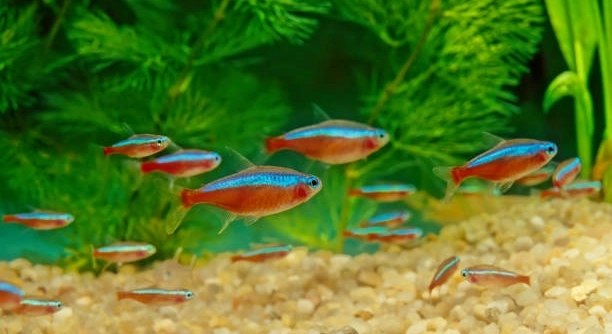
Tetras are small, colorful fish often kept in home aquariums. Their health depends on many factors, including the food they eat. Some common foods can actually cause stress and harm to these delicate creatures.
Certain foods, such as those high in fat, preservatives, or that are unsuitable for their digestive system, can stress out tetras. Providing a balanced and appropriate diet is essential to maintain their well-being and prevent health problems.
Knowing which foods to avoid can help keep your tetras calm and healthy. The following information will guide you in choosing the best diet for your fish.
Fatty and Oily Foods
Fatty and oily foods are not suitable for tetras. These fish have small digestive systems designed for light, easily digestible meals. Foods high in fat can cause digestive issues, making it hard for tetras to process their food properly. Over time, this can lead to stress and even serious health problems. Fatty foods can also pollute the tank water faster because uneaten oils break down and produce harmful substances. It’s best to avoid feeding tetras any food that looks greasy or oily. Instead, opt for specially formulated tetra flakes or pellets that provide balanced nutrition without overloading their system. Keeping their diet light and clean helps maintain their energy and coloration, making them look lively and healthy.
Fatty foods often cause digestive troubles and reduce water quality in the tank, stressing the fish.
Many commercial human snacks and leftovers contain fats that are harmful to tetras. Avoid feeding fried or greasy foods, as these can cause bloating and swim bladder problems. Instead, offer a diet made for small tropical fish with the right nutrients and minimal fat content. Keeping their tank clean and their diet appropriate supports their long-term health and well-being.
Foods With Preservatives and Additives
Preservatives and additives in some fish foods can upset tetras’ delicate systems.
These chemicals, often found in low-quality fish flakes or snacks, may cause stress and reduce immune function in tetras. Preservatives help extend shelf life but can introduce toxins or irritants. Over time, tetras exposed to these substances may show signs of illness or behavioral changes. It is better to choose fresh, high-quality foods made specifically for small tropical fish. Look for brands that list natural ingredients and avoid artificial colors or fillers. Feeding tetras natural and clean foods helps keep their environment stable and reduces the risk of stress-related problems. Proper diet choices play a major role in maintaining healthy, active fish in your aquarium.
Uneaten Food
Uneaten food can quickly pollute the tank water and cause stress for tetras.
When leftover food decomposes in the aquarium, it releases harmful chemicals like ammonia and nitrites. These substances lower water quality and make the environment toxic for fish. Poor water conditions force tetras to use more energy to cope, leading to stress and weakened immune systems. Overfeeding is a common mistake that results in excess food. Feeding only what the tetras can eat within a few minutes helps keep the tank clean. Regular tank maintenance and water changes are also essential to prevent buildup.
If uneaten food is not removed, it can lead to algae growth and oxygen depletion in the water. This makes the tank uncomfortable and unhealthy for tetras, causing them to become less active and more vulnerable to disease.
Large or Hard-to-Digest Foods
Large or tough foods are difficult for tetras to eat and digest properly.
Tetras have small mouths and sensitive digestive systems. Offering food that is too big or hard can cause choking or blockages. Foods like whole insects or large pellets may stress tetras as they struggle to consume them. It’s best to choose small flakes, finely crushed pellets, or tiny live or frozen foods suitable for their size. These options are easier to digest and provide proper nutrition. Feeding manageable portions helps tetras stay healthy and reduces the risk of digestive upset.
Hard-to-digest foods can also lead to constipation and swim bladder issues, which affect the fish’s swimming ability. Regularly offering soft, appropriate-sized food supports healthy digestion and keeps tetras comfortable in their tank environment.
Processed Human Foods
Processed human foods often contain ingredients that are harmful to tetras.
These foods can include salt, sugar, and spices that disrupt the fish’s natural balance. Even small amounts can cause stress and health problems.
Foods High in Carbohydrates
Foods high in carbohydrates can be hard for tetras to digest.
Carbs are not a natural part of their diet and may cause bloating or digestive discomfort. Feeding tetras too many carb-rich foods can lead to poor health and reduced energy. Instead, focus on protein-rich options that better meet their dietary needs and support their active lifestyle.
Moldy or Spoiled Food
Moldy or spoiled food is dangerous for tetras and must be avoided.
What should I feed my tetra to keep it healthy?
Feeding your tetra a diet made specifically for small tropical fish is the best way to keep it healthy. High-quality flakes or pellets designed for tetras provide balanced nutrition. Supplementing with occasional live or frozen foods like daphnia, brine shrimp, or bloodworms offers extra protein and variety. Avoid overfeeding by giving only what your fish can eat in about two to three minutes. Fresh, clean water and regular tank maintenance also help your tetra stay healthy and active.
How often should I feed my tetra?
Tetras do well with small feedings once or twice a day. Overfeeding can cause water pollution and stress the fish. Feed only the amount they can finish quickly to prevent uneaten food from decomposing. If you notice leftover food after feeding, reduce the quantity next time. Consistent feeding schedules help maintain a stable environment for your tetra.
Can I feed my tetra vegetables or fruits?
Tetras mainly eat protein-rich foods and do not require vegetables or fruits in their diet. While some tropical fish eat plant matter, tetras benefit more from small insects and protein flakes. Offering vegetables can cause digestive issues and water quality problems if uneaten. Stick to foods formulated for their dietary needs.
What happens if my tetra eats something harmful?
If your tetra consumes harmful food, it may show signs like lethargy, loss of appetite, or unusual swimming behavior. Stress weakens their immune system, increasing vulnerability to illness. Immediately remove any suspect food from the tank and perform a partial water change to improve water quality. Monitor your fish closely and adjust their diet accordingly to prevent future problems.
Is it okay to feed my tetra human food leftovers?
Feeding tetras human food leftovers is not recommended. Many human foods contain salt, spices, oils, and preservatives that can harm tetras. These ingredients disrupt their digestive system and pollute the water. Instead, stick to fish-specific foods to ensure your tetra receives proper nutrition and stays healthy.
How can I tell if my tetra is stressed from diet?
Signs of stress from diet include faded colors, reduced activity, hiding, and loss of appetite. Your tetra might also develop bloating or swim irregularly. Water quality issues caused by uneaten or unsuitable food can also contribute to stress. Keep an eye on feeding habits and water conditions to identify and fix problems early.
Can feeding live food stress my tetra?
Live food is generally good for tetras, but feeding spoiled or contaminated live food can cause stress and illness. Always ensure live food comes from a clean source. Occasionally feeding live food can enrich your tetra’s diet and encourage natural behavior, but do not rely on it exclusively.
What should I do if my tetra refuses to eat?
If your tetra refuses to eat, check the water quality and tank conditions first. Stress from poor environment or illness often causes appetite loss. Try offering a variety of fresh foods, including high-quality flakes and live or frozen options. Feeding smaller portions more frequently may help stimulate appetite. If the problem persists, consider consulting an aquatic veterinarian.
Is it necessary to vary my tetra’s diet?
Yes, varying your tetra’s diet helps provide all essential nutrients and prevents boredom. Offering a mix of flakes, pellets, and occasional live or frozen foods supports overall health. Avoid feeding the same food daily to keep your tetra interested and well-nourished. Variety also reduces the risk of nutrient deficiencies and stress.
How can I prevent overfeeding my tetra?
To prevent overfeeding, feed your tetra small amounts that it can finish within two to three minutes. Remove any uneaten food promptly to avoid water contamination. Use feeding tools like small scoops or feeding rings to control portions. Regular water tests and tank maintenance help detect any water quality issues caused by excess food. Maintaining discipline with feeding routines keeps your fish healthy and the tank clean.
Taking care of tetras means paying close attention to what you feed them. Their small size and delicate digestive systems require foods that are easy to digest and free from harmful ingredients. Foods high in fat, preservatives, or those that do not suit their natural diet can cause stress and health problems. It is important to avoid giving tetras human food leftovers or anything moldy or spoiled. These types of food can quickly pollute the tank water and make your fish sick. Feeding the right kind of food helps keep the water clean and creates a healthy environment for your tetras.
Feeding your tetras the correct amount is just as important as choosing the right foods. Overfeeding often leads to uneaten food in the tank, which can release harmful chemicals as it decomposes. These chemicals reduce water quality and put extra stress on your fish. Feeding small portions once or twice a day is enough. The food should be eaten within a few minutes to avoid leftovers. Regular tank cleaning and water changes help keep your tetras safe from the negative effects of poor water conditions. Maintaining a clean tank supports your fish’s health and prevents many common problems caused by stress.
Lastly, providing variety in your tetras’ diet is beneficial. While high-quality flakes or pellets made for tetras form the main part of their diet, adding occasional live or frozen foods offers extra nutrients. Protein-rich foods like brine shrimp or daphnia help your tetras stay active and colorful. Avoid foods that are too large or hard to digest, as these can cause choking or digestive trouble. Paying attention to what your tetras eat and how they respond will help you notice any early signs of stress or illness. Taking these simple steps ensures your tetras live happily and stay healthy in your aquarium.

Hello,
If you enjoy the content that we create, please consider saying a "Thank You!" by leaving a tip.
Every little bit helps us continue crafting quality advice that supports the health, happiness, and well-being of pets around the world, for pets of all shapes, sizes, and species.
We really appreciate the kindness and support that you show us!