
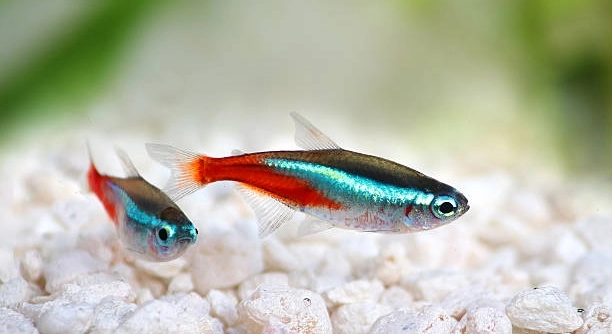
Is your community tank turning chaotic because of one overly aggressive tetra disrupting the peace and stressing out the others?
The safest way to remove an aggressive tetra is by using a separate holding container, minimizing stress during capture, and employing barrier tools or baiting techniques. This ensures the safety of both the aggressive fish and the others.
There are several gentle yet effective methods you can try to maintain a peaceful aquarium without causing harm to your fish.
Observe the Behavior Closely
Start by watching the tetra’s interactions with the rest of the fish. Aggressive behavior can include chasing, fin nipping, or territorial guarding. This behavior is usually consistent and directed at specific fish or during certain times of day, like feeding. Keeping a notebook to track this helps identify patterns. Look for signs of stress in other fish, such as hiding, torn fins, or unusual swimming. Once you’re confident the aggression is frequent and not just a one-time occurrence, you can decide on a safe removal method. Observing quietly without disrupting the tank will provide more accurate insight into what’s going on. Avoid acting too quickly without understanding the reason behind the aggression. It’s important to assess whether it’s due to overcrowding, lack of hiding spots, or tank size before removing the fish. These steps ensure your actions are informed and not reactive, helping to protect the balance of your tank.
Some aggression is temporary. Confirm the behavior is ongoing before taking action.
Understanding what causes the aggression will help you remove the tetra more effectively. It also gives you insight into how to prevent similar issues in the future by adjusting the tank environment or group dynamics.
Use a Tank Divider First
A tank divider is an easy first step. It physically separates the aggressive tetra without needing to remove it entirely. This helps reduce conflict while you decide what to do next.
Installing a divider gives you a chance to observe changes in behavior. Sometimes, isolation can calm the aggressive fish, making reintroduction possible. Choose a divider that fits your tank size and allows proper water flow. Secure it well so the fish cannot swim around or get stuck. This method allows the other fish to settle down without the stress of a full tank rearrangement. Keep the divider in place for a few days and monitor closely. If the aggressive behavior stops, you may consider reintegrating the tetra. However, if it continues to show signs of dominance through the barrier, permanent removal may be necessary. Dividers are a useful temporary solution that keeps the tank stable and safe while you explore other options.
Use a Breeding Box as a Temporary Holding Space
A breeding box lets you isolate the aggressive tetra without removing it from the main tank. This setup keeps it visible to the other fish but physically separated, helping reduce tension.
Place the tetra into the breeding box using a gentle netting technique, avoiding quick movements that might stress the fish. Once inside, monitor how the tank’s overall behavior changes. If the aggression decreases, it’s a clear sign that this tetra was the cause. Keep the fish in the box for a few days, making sure it gets enough water flow and regular feeding. Observe whether it becomes less agitated over time. This method is ideal if you want to avoid setting up another tank. It also allows the fish to remain in familiar water conditions while giving the rest of the tank time to reset. After some days, you can decide on reintroduction or permanent relocation.
Use this method when you’re unsure about permanent removal. It gives time to observe and think before making a decision. Watch closely to see if the tetra becomes calmer or remains active and hostile. This simple setup can make a noticeable difference in your tank’s stability and helps ease your own decision-making without rushing into changes.
Relocate to a Quarantine or Spare Tank
A spare tank provides a safe space to relocate the aggressive tetra without harming the others. It’s a reliable option if the aggression doesn’t stop or if separation in the main tank fails.
Move the tetra gently, using a soft mesh net or plastic container to avoid injury. The quarantine tank should be fully cycled and equipped with basic necessities—filter, heater, and hiding spots. This new space removes competition and may help calm the fish. Monitor the tetra’s behavior in isolation to see if it returns to a more peaceful state. If you don’t notice improvement, it may be time to rehome it or keep it in a permanent solo setup. Make sure to continue observing your main tank after removal. Often, the atmosphere improves almost immediately. This method works well when other solutions haven’t worked and when you’re ready for a more permanent option that ensures long-term peace in the tank.
Try Rearranging the Tank Layout
Changing the tank layout can disrupt territorial behavior. Move decorations, plants, and hiding spots to create a fresh environment. This helps reduce aggression by eliminating claimed spaces and encouraging the fish to reestablish new areas more peacefully.
This method works best when the aggressive tetra isn’t overly dominant.
Use Distraction During Feeding Time
Feeding at opposite ends of the tank can reduce direct conflict. Use floating foods or sinking pellets to spread attention across the space. Distraction methods like this shift focus from aggression to feeding, giving other fish a break.
This approach works well as a short-term fix.
Consider Rehoming the Aggressive Tetra
If other methods don’t work, rehoming may be the best choice. Find a tank better suited for its temperament, such as one with more space or faster tank mates. Rehoming helps restore balance to your aquarium and provides a better environment for the aggressive fish to thrive elsewhere.
Avoid Stressful Removal Methods
Never chase the tetra aggressively with a net. It can injure or stress all the fish. Use calm, steady movements and bait techniques instead.
FAQ
How do I know if my tetra is being aggressive or just active?
Aggressive tetras usually show specific behaviors such as chasing one or two particular fish, nipping at fins, or guarding certain spots in the tank. Active tetras swim quickly, but they don’t target or harm others. If you notice consistent targeting or signs of injury, it’s likely aggression and not just playfulness or energy.
Can aggressive behavior be caused by hunger?
Yes, tetras can become more aggressive during feeding times if food is limited or if they feel they must compete for it. Offering food in multiple areas of the tank can help reduce this behavior. Ensuring all fish are getting enough nutrition may ease the tension and lessen the need to remove the aggressive one.
What size tank helps prevent aggression in tetras?
A larger tank generally reduces aggression because it offers more swimming room and territories. A minimum of 20 gallons is ideal for a small school of tetras. If the tank is overcrowded, even peaceful species can become territorial. Keeping appropriate stocking levels helps maintain a more relaxed environment and reduces the chance of conflict.
Should I isolate or remove the aggressive tetra immediately?
Not always. It’s better to observe first and understand the behavior. Sometimes aggression is temporary, triggered by new fish or recent tank changes. Using a divider or breeding box is a safe way to separate the fish without making a permanent decision. This lets you see if the issue continues or improves.
Can tetras become aggressive in small groups?
Yes, when kept in groups smaller than six, some species of tetras can become stressed or aggressive. Tetras are schooling fish and feel safer in larger numbers. A small group may lead one fish to act out more. Increasing the group size often helps reduce tension and spread out any aggression.
Is it safe to reintroduce a previously removed tetra?
It depends on how the fish behaves after separation. If it shows calmer behavior during isolation and the tank conditions are adjusted (like rearranging decor or adding more hiding spots), reintroduction can be safe. Always monitor the situation closely after bringing the fish back into the main tank.
What types of tetras are more prone to aggression?
Some types like Serpae Tetras, Black Skirt Tetras, and Buenos Aires Tetras can be more aggressive than others. These varieties often do better in larger groups or species-only tanks. Neon or Ember Tetras are usually more peaceful and make better tankmates in a mixed community setting.
Can lighting affect tetra aggression?
Yes, bright lighting can stress some fish and cause more aggressive behavior. Lowering the light intensity or providing shaded areas with plants or decor can reduce anxiety and help calm dominant fish. Balanced lighting supports a peaceful atmosphere in the tank.
How long should I keep a tetra in isolation before rehoming?
Keep the fish in isolation for at least a few days to a week while monitoring behavior. If no improvement is seen and reintroduction causes renewed aggression, rehoming becomes a better long-term solution. Make sure the new environment suits the fish’s energy level and temperament.
What if removing the tetra doesn’t stop the aggression?
In some cases, multiple fish may be contributing to the problem. Continue observing the tank after removing the first aggressive one. You might need to make further adjustments, such as changing tank layout, increasing group sizes, or removing other aggressive individuals to fully restore balance.
Final Thoughts
Keeping a peaceful aquarium takes patience and attention. When one tetra becomes aggressive, it can upset the balance and create stress for the rest of the fish. Removing that fish may seem like a big step, but sometimes it’s the best choice. What matters most is making sure the entire tank remains calm and safe. There is no single perfect way to do this. It depends on your tank setup, the number and types of fish, and the behavior of the aggressive one. That’s why it helps to try gentle methods first—like using a divider, changing the layout, or isolating the fish—before moving forward with more permanent steps.
Every tank is different, and sometimes aggression can be fixed with small changes. Rearranging the tank or increasing the size of the tetra group can help reduce tension. Sometimes, aggressive behavior is only temporary and may go away on its own. But if it continues and starts to harm other fish, it’s time to act. Using a breeding box, a spare tank, or rehoming the tetra can give both the aggressive fish and the rest of the tank a better chance to thrive. No one wants to remove a fish, but peace in the tank is important. These methods let you make thoughtful choices that protect your whole aquarium.
Removing a tetra safely is not just about catching it quickly. It’s about reducing stress—for the aggressive fish, the others, and even yourself. It’s also a chance to learn more about your tank and how different fish interact. Watching closely and making careful changes will help you keep a balanced and healthy environment. Whether the issue is solved with a simple divider or ends with rehoming, the main goal is to create a space where all your fish can live without fear or injury. With calm steps and the right tools, you can handle aggressive behavior in a way that’s safe and respectful to all your fish.

Hello,
If you enjoy the content that we create, please consider saying a "Thank You!" by leaving a tip.
Every little bit helps us continue crafting quality advice that supports the health, happiness, and well-being of pets around the world, for pets of all shapes, sizes, and species.
We really appreciate the kindness and support that you show us!