
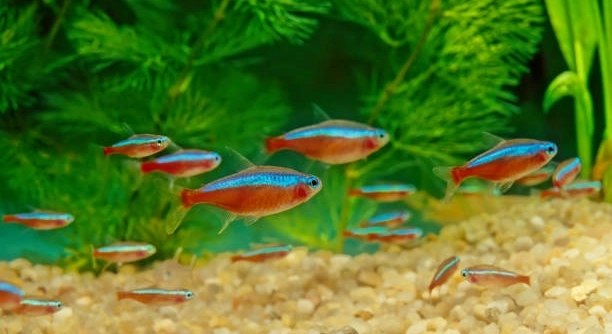
Creating a dark water setup for your Tetra can enhance its natural environment and improve its health. This type of aquarium mimics the gentle, shaded waters where these fish thrive. It creates a calm and natural atmosphere for your aquatic pets.
To create a dark water setup for Tetra, you need to carefully choose water conditioners, tannins, and plants that tint the water. Maintaining proper pH and lighting levels is essential. This setup replicates their natural habitat and supports their wellbeing effectively.
Following these steps will help you achieve a balanced and healthy environment for your Tetra. The process is simple but requires attention to detail to ensure success.
Choosing the Right Water for a Dark Water Setup
Selecting the proper water is the first step to creating a dark water environment for your Tetra. Tap water usually contains chemicals like chlorine that can harm your fish. Using filtered or bottled water reduces these risks. The water should be soft and slightly acidic to match the Tetra’s natural habitat. Adding natural materials like Indian almond leaves or driftwood helps release tannins, which tint the water a warm, dark color. This creates a comfortable setting for the fish. It is important to monitor water parameters regularly, as maintaining stable conditions prevents stress and illness. Regular partial water changes keep the tank clean without removing all the beneficial tannins.
Proper water preparation supports the health and longevity of your Tetras. It also ensures the aquarium looks natural and inviting.
When preparing the water, test its pH and hardness. Aim for a pH between 5.5 and 7.0 and soft water conditions. Avoid sudden changes to avoid stressing your fish. Using natural additives will gently darken the water while improving its quality.
Selecting Plants and Decorations for a Natural Feel
Plants and decorations play a crucial role in completing the dark water setup. Live plants like Java fern and Anubias thrive in low light and add hiding places. They also help improve water quality by absorbing nitrates. Avoid bright or artificial decorations that clash with the natural look. Driftwood and leaf litter are excellent choices because they release tannins and create shadows. The goal is to replicate the subdued light conditions typical of the Tetra’s natural environment. Position decorations so fish have plenty of open swimming space along with places to retreat. This balance encourages natural behavior and reduces stress, making the aquarium a healthy place for your fish. Regular maintenance of plants and decor helps prevent decay and keeps water clear.
Controlling Light and Temperature
Keeping light levels low helps maintain the dark water effect and reduces algae growth. Use dim lighting or place the tank in a shaded area. Avoid direct sunlight, which can heat the water and encourage algae. Tetras prefer temperatures between 72°F and 78°F, so monitor the tank closely.
Stable temperature is important for your Tetras’ health. Use a reliable heater and a thermometer to keep the water within the ideal range. Sudden temperature changes can stress the fish and lead to illness. Make sure your equipment is working properly and adjust settings as needed to keep the environment comfortable.
Controlling light and temperature helps mimic natural conditions. This reduces stress and supports the natural behavior of your Tetras. Dim light enhances the dark water effect, while stable temperature encourages healthy activity and feeding. Both factors are key to a thriving aquarium.
Maintaining Water Quality
Regular water testing is essential for a dark water setup. Check parameters like pH, ammonia, nitrites, and nitrates weekly to avoid harmful fluctuations. Perform partial water changes of 20-30% every two weeks to keep water clean without losing beneficial tannins.
Using a gentle filter is best for Tetras, as strong currents can cause stress. Sponge filters or low-flow canister filters provide adequate filtration while preserving water clarity. Avoid overfeeding to reduce waste buildup, which affects water quality. Keep an eye on plant health as decaying leaves can also impact the water.
Maintaining water quality requires consistent care and observation. This ensures a stable environment that supports fish health and prevents common issues. Regular testing and proper filtration make it easier to catch problems early and keep your dark water setup balanced.
Feeding Your Tetras
Feed your Tetras a balanced diet to keep them healthy and vibrant. Use high-quality flakes or pellets designed for small tropical fish. Supplement their diet occasionally with live or frozen foods like brine shrimp or bloodworms for added nutrition.
Avoid overfeeding, as uneaten food can pollute the water. Feed small amounts once or twice daily and remove leftovers after a few minutes. Consistent feeding habits help maintain water quality and support your fish’s wellbeing.
Monitoring Fish Behavior
Watch your Tetras regularly to spot any signs of illness or stress. Healthy Tetras swim actively, school together, and show bright colors. Changes in behavior, such as lethargy or hiding, can indicate water problems or disease. Early detection helps prevent serious issues.
Setting Up the Tank
Start by cleaning your tank and adding the substrate. Place driftwood and leaf litter to release tannins. Fill the tank with prepared water and install your heater and filter. Add plants carefully, ensuring they have enough space to grow. Allow the setup to cycle before introducing your Tetras.
Cycling the Aquarium
Cycling the tank is crucial to establish beneficial bacteria that break down waste. This process usually takes 4-6 weeks. Test water regularly during this time to monitor ammonia and nitrite levels. Only add fish after the cycle is complete to avoid harming them.
FAQ
How often should I change the water in a dark water setup?
Regular water changes are important but should be done carefully to preserve tannins. Changing 20-30% of the water every two weeks is recommended. Frequent small changes help maintain water quality without removing too much of the natural coloring and beneficial substances in the tank.
Can I use tap water for a dark water aquarium?
Tap water can be used if properly treated. Use a water conditioner to remove chlorine and chloramine. It is best to test and adjust pH and hardness to suit Tetras. Soft, slightly acidic water is ideal. Filtered or bottled water may simplify this process but is not always necessary.
What causes the water to turn dark in a dark water setup?
The dark color comes from tannins released by materials like driftwood, Indian almond leaves, and leaf litter. These natural substances leach into the water, giving it a tea-like appearance. Tannins also have mild antibacterial properties, helping create a healthier environment for your fish.
Do dark water conditions affect fish health?
Yes, dark water conditions closely mimic the natural habitats of many Tetras, promoting better health and reduced stress. The tinted water softens light and reduces glare, making fish feel more secure. This can lead to improved coloration, increased activity, and better overall wellbeing.
How can I prevent algae growth in a dark water aquarium?
Algae growth is controlled by limiting light exposure and maintaining good water quality. Use low or dim lighting and avoid direct sunlight on the tank. Regular partial water changes and avoiding overfeeding also reduce nutrients that algae need to grow. Live plants compete with algae for resources, further limiting its spread.
What plants are best for a dark water setup?
Plants that tolerate low light and softer water are ideal. Java fern, Anubias, and Cryptocoryne species thrive in these conditions. These plants don’t require intense lighting and help absorb excess nutrients. Their slow growth fits well with the natural look of a dark water aquarium.
Can I keep other fish with Tetras in a dark water setup?
Yes, peaceful species that prefer similar water conditions can coexist with Tetras. Small catfish, rasboras, and dwarf cichlids are common companions. Avoid aggressive or large fish that may stress or harm your Tetras. Compatibility depends on tank size and behavior of all species involved.
How long does it take for the water to turn dark after setting up?
Water usually darkens within a few days to a week after adding tannin-releasing materials. The intensity depends on the amount and type of wood or leaves used. Some aquarists prefer a lighter tint and may remove materials early, while others allow full darkening for a natural effect.
Is dark water harmful to aquarium equipment?
Dark water is generally safe for aquarium equipment. Tannins do not damage filters or heaters. However, some filter media may clog faster due to organic matter. Regular maintenance and cleaning help keep equipment functioning well despite the tinted water.
How do I maintain stable water parameters in a dark water aquarium?
Test water regularly for pH, hardness, ammonia, nitrites, and nitrates. Keep temperature stable between 72°F and 78°F. Use gentle filtration and avoid overcrowding. Perform partial water changes on schedule to balance water chemistry. Consistency is key to preventing sudden shifts that stress fish.
Can I use artificial lighting in a dark water tank?
Yes, but it should be low intensity and on a timer to mimic natural day length. Too much light can stress fish and encourage algae. Using LED lights with adjustable brightness works well. Balance light duration and intensity to maintain the dark water atmosphere while supporting plant growth.
What signs show my Tetras are stressed in a dark water setup?
Signs include hiding more than usual, loss of color, clamped fins, reduced activity, or erratic swimming. Stress often results from poor water quality, incorrect temperature, or strong currents. Addressing these factors quickly helps restore fish health.
Is it necessary to add tannins manually?
Tannins come naturally from driftwood and leaves. If you want a faster or stronger effect, commercial tannin products are available. However, natural sources are preferred because they provide a more balanced environment and additional benefits like antibacterial properties.
Can dark water cause staining on aquarium glass?
Tannins can sometimes leave a light tint on glass, but it is usually easy to clean. Regular tank maintenance prevents buildup. Using a magnetic algae scraper or soft cloth keeps the glass clear without damaging it.
What is the best substrate for a dark water tank?
Fine sand or smooth gravel works best, as they look natural and don’t trap debris easily. Avoid sharp substrates that might injure delicate fish. A darker substrate enhances the overall effect by complementing the tinted water and natural decorations.
How many Tetras should I keep in one tank?
Tetras are schooling fish and do best in groups of six or more. A larger group reduces stress and encourages natural behavior. The tank size will determine how many can be comfortably housed. For small tanks, six to eight is ideal, while larger tanks can support more.
Creating a dark water setup for your Tetra can greatly improve the overall health and happiness of your fish. This type of aquarium replicates the soft, shaded environment where Tetras naturally live. By carefully selecting water, plants, decorations, and controlling light and temperature, you create a habitat that feels natural and safe. The tinted water not only looks beautiful but also helps reduce stress for your fish. Providing this kind of environment supports their natural behavior and enhances their colors, making your aquarium more enjoyable to watch.
Maintaining a dark water setup requires consistent care. Regular water testing and partial water changes are important to keep the environment stable and clean. Using natural materials like driftwood and leaves helps maintain the dark tint and benefits water quality. It is also essential to feed your Tetras properly and avoid overfeeding, as leftover food can pollute the water and cause problems. Watching your fish daily will help you notice any signs of stress or illness early. When the tank conditions are right, your Tetras will thrive and show more active and natural behavior.
Although setting up and maintaining a dark water aquarium takes some effort, it is rewarding. The natural look and improved fish health make it worthwhile. By following the steps carefully and paying attention to details, you can create a beautiful and balanced environment. This setup encourages the well-being of your Tetras and brings a sense of calm to your space. Taking the time to learn and care for this type of aquarium helps ensure long-term success and enjoyment.

Hello,
If you enjoy the content that we create, please consider saying a "Thank You!" by leaving a tip.
Every little bit helps us continue crafting quality advice that supports the health, happiness, and well-being of pets around the world, for pets of all shapes, sizes, and species.
We really appreciate the kindness and support that you show us!