
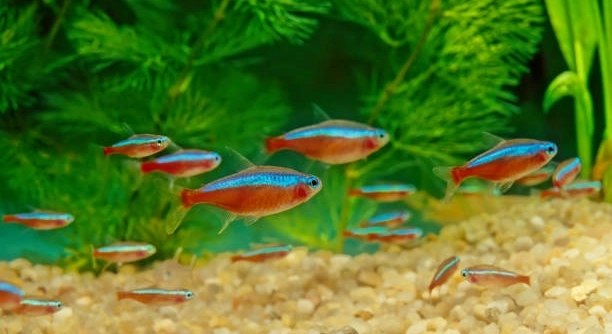
A dirty Tetra tank can quickly affect the health and happiness of your fish. Regular cleaning is essential to keep the environment safe and comfortable for your aquatic pets. This article will guide you through a simple cleaning process.
Quickly fixing a dirty Tetra tank involves removing debris, changing the water, cleaning the filter, and wiping down the tank surfaces. These steps ensure a healthy habitat by maintaining water quality and reducing harmful bacteria.
Following these seven steps will help restore your tank’s cleanliness efficiently and keep your Tetras thriving in a healthy home.
Preparing Your Supplies and Setting Up
Before starting, gather all the necessary supplies: a siphon or gravel vacuum, a bucket, algae scraper or sponge, water conditioner, and a clean cloth. Having everything ready saves time and makes the process smoother. Find a safe place to work near the tank, and unplug any electrical equipment to avoid accidents.
Organizing your tools ahead allows you to clean the tank quickly and efficiently without interruptions.
Clear your workspace to avoid spills or damage. Place towels or newspapers around the tank area to catch any splashes. Make sure the replacement water matches the tank’s temperature to avoid stressing your fish. Proper preparation ensures the cleaning goes smoothly and your Tetras stay safe throughout.
Draining and Cleaning the Tank
Start by siphoning out 25-30% of the water into the bucket. This partial water change removes waste and improves water quality without shocking your fish. Next, gently vacuum the gravel to remove debris trapped between the stones. Avoid disturbing beneficial bacteria by cleaning the gravel lightly.
After water removal, use an algae scraper or sponge to clean the tank walls. Focus on areas with visible buildup but be careful not to scrub too hard, which might damage the glass or stress the fish. Wipe down the exterior glass with a damp cloth to remove fingerprints or water marks.
Replacing water slowly helps your Tetras adjust and keeps their environment stable. Proper cleaning balances removing dirt and maintaining the tank’s healthy ecosystem.
Cleaning the Filter
The filter needs regular maintenance to keep water clear and healthy. Remove and rinse the filter media in tank water to avoid killing beneficial bacteria. Do not use tap water, as chlorine can harm these bacteria.
Cleaning the filter media gently prevents the loss of helpful bacteria that break down waste. If the filter is clogged, it reduces water flow, affecting your Tetras’ health. Rinse the media by swirling it in a bucket of tank water you just removed. Replace any worn parts as needed but avoid changing everything at once to maintain bacterial balance.
Filters are essential for a healthy tank environment. Proper care extends their life and ensures they work effectively. Regularly checking and cleaning your filter helps control odors, removes toxins, and keeps water clear. Neglecting the filter can lead to poor water quality and stress your fish.
Replacing and Conditioning Water
Refill the tank with fresh, dechlorinated water matching the tank temperature. Slowly add water to avoid disturbing gravel or stressing fish. Use a water conditioner to neutralize harmful chemicals often found in tap water.
Adding water slowly helps prevent stress and damage to the tank environment. Make sure the water temperature closely matches the tank’s to avoid shocking your fish. Conditioners protect fish from chlorine, chloramines, and heavy metals. Test water parameters regularly to keep your tank safe and stable.
Proper water replacement is key to maintaining a healthy habitat. Consistent water changes prevent the buildup of toxins and keep fish comfortable. Taking care during refills protects your Tetras and supports their long-term well-being.
Cleaning Decorations and Plants
Remove any artificial decorations and clean them with warm water and a soft brush. Avoid using soap or chemicals, as these can harm your fish. For live plants, gently rinse them to remove debris and algae without damaging their leaves.
Cleaning decorations helps reduce algae buildup and keeps the tank looking nice. Live plants benefit from occasional rinsing to stay healthy and support the tank’s natural balance.
Wiping Down the Tank Exterior
Use a clean, damp cloth to wipe down the outside of the tank. This removes dust, water spots, and fingerprints. Avoid using glass cleaners or harsh chemicals that could seep inside.
Checking Equipment and Lighting
Make sure all equipment like heaters, filters, and lights are working properly. Replace any faulty parts promptly to maintain a stable tank environment.
Monitoring Fish Behavior
Keep an eye on your Tetras after cleaning. Watch for signs of stress or illness, and adjust care if needed.
FAQ
How often should I clean my Tetra tank?
Cleaning frequency depends on tank size and fish load, but generally, partial water changes and light cleaning every 1-2 weeks keep the tank healthy. More frequent cleaning may be needed if algae grow quickly or water quality drops. Regular maintenance prevents buildup and keeps fish comfortable.
Can I clean the filter with tap water?
No, tap water contains chlorine that kills beneficial bacteria in the filter. Always rinse filter media in the water removed from the tank during a water change. This preserves the bacteria essential for breaking down fish waste and keeping the tank balanced.
Is it safe to clean decorations with soap?
Avoid using soap or chemicals on decorations. Residue can harm fish and upset the tank’s balance. Warm water and a soft brush are enough to remove algae and dirt safely. For live plants, rinse gently to avoid damage.
How much water should I change during cleaning?
A good rule is to change about 25-30% of the tank water during each cleaning session. This amount removes waste and toxins without causing stress by changing too much water at once. Larger water changes can be done occasionally but should be approached carefully.
What should I do if my Tetras show signs of stress after cleaning?
Stress signs include hiding, loss of appetite, or unusual swimming. Make sure water temperature and conditions match their normal environment. Check water quality parameters like ammonia, nitrite, and nitrate. Avoid sudden changes and clean gently next time to reduce stress.
Can I clean the tank while the fish are inside?
It’s best to clean the tank with fish inside, except when doing major work like moving decorations or heavy gravel cleaning. Partial water changes and surface cleaning are safe with fish present, but avoid disturbing them too much during the process.
How do I prevent algae buildup in my Tetra tank?
Control light exposure by limiting tank lighting to about 8-10 hours a day. Avoid overfeeding, as excess food contributes to algae growth. Regular water changes and cleaning decorations also help keep algae under control.
Should I turn off the heater and filter during cleaning?
Unplugging electrical equipment like heaters and filters during cleaning is safer to avoid accidents. However, keep the downtime short to prevent sudden temperature changes and water stagnation. Turn everything back on promptly after cleaning.
What water temperature is best for Tetras?
Tetras thrive in water between 72°F and 80°F (22°C – 27°C). Keeping water stable within this range supports their health and reduces stress. Always match replacement water temperature to the tank to avoid shocking your fish during water changes.
How do I know if my tank water is clean enough?
Regularly test water parameters using aquarium test kits. Safe levels include ammonia and nitrite at 0 ppm and nitrates below 20 ppm. Clear water is a good sign, but testing is the best way to ensure a safe environment for your Tetras.
What if my tank smells bad after cleaning?
A mild, fresh-water smell is normal, but a strong odor indicates buildup of waste or decaying matter. Check the filter and remove uneaten food or dead plants. More frequent water changes and better cleaning can solve odor problems.
Can I reuse tank water when cleaning?
Reuse some tank water to rinse filter media or live plants, but avoid adding dirty water back into the tank. Always replace with fresh, conditioned water after cleaning to maintain water quality.
Is it necessary to clean the gravel?
Yes, gravel traps uneaten food and waste, so vacuuming it during water changes helps keep the tank clean. Be gentle to preserve beneficial bacteria living in the substrate that support the tank’s ecosystem.
Final Thoughts
Keeping a Tetra tank clean is essential for the health and happiness of your fish. A clean tank helps maintain good water quality, which prevents diseases and stress for your Tetras. Regular cleaning and maintenance also keep the tank looking attractive, making it more enjoyable to watch your fish swim. Taking time to care for your tank is a simple way to support your fish’s well-being and create a stable environment.
Cleaning a Tetra tank does not have to be complicated or take a lot of time. By following basic steps like removing some water, cleaning the gravel, wiping down surfaces, and caring for the filter, you can quickly improve the tank’s condition. Using the right tools and preparing before starting helps the process go smoothly. It is important to be gentle to avoid disturbing the beneficial bacteria and stressing your fish. Small, regular cleanings are better than letting the tank get very dirty before doing a big cleaning.
Maintaining a healthy tank goes beyond cleaning. Monitoring water temperature, testing water quality, and watching your fish’s behavior all play a part in keeping your Tetras happy. Changing water carefully and conditioning it properly prevents harmful chemicals from hurting your fish. Taking these steps together supports a balanced ecosystem inside your tank. This attention to detail will help your fish thrive and make the aquarium a pleasant space in your home. With consistent care, your Tetra tank will remain clean and safe for your fish for a long time.

Hello,
If you enjoy the content that we create, please consider saying a "Thank You!" by leaving a tip.
Every little bit helps us continue crafting quality advice that supports the health, happiness, and well-being of pets around the world, for pets of all shapes, sizes, and species.
We really appreciate the kindness and support that you show us!