
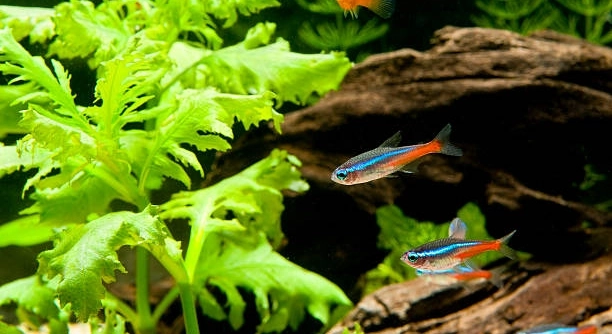
Are your tetras showing signs of change as they grow older? Many fish owners notice subtle differences in their fish over time. Recognizing these changes can help you care for your tetras better and keep them comfortable.
Tetras age with visible and behavioral changes, such as faded colors, slower swimming, less appetite, smaller size, fin wear, increased hiding, and unusual activity patterns. Identifying these clues allows timely adjustments to their care and environment.
Knowing these signs can improve your tetra’s quality of life and help you respond to their needs. This guide highlights the key clues that indicate your fish may be aging.
Fading Colors and Dull Appearance
As tetras age, one of the first noticeable changes is their color fading. Their bright and vibrant hues start to look dull or washed out. This happens because their pigment cells lose some of their strength over time. You might see reds, blues, or yellows becoming less intense. Along with color fading, their scales may look less shiny or have a slightly cloudy appearance. This is a natural part of aging but can also be worsened by water quality or stress. Keeping the tank clean and stable helps slow this process and keeps your tetra looking as healthy as possible. It’s important to watch for sudden color changes, as these can sometimes mean illness instead of aging.
Color fading is a common and clear sign that your tetra is getting older.
While it’s normal for older tetras to lose some brightness, maintaining good water conditions and a balanced diet can support their overall health and help preserve their colors for longer. Watching for other signs along with fading colors helps give a better picture of their aging process.
Slower Swimming and Less Energy
Older tetras often swim more slowly than before. They don’t dart around the tank or explore as actively as younger fish. This drop in energy is part of natural aging and reflects changes in their muscles and metabolism. You may notice them resting more or staying close to hiding spots. Reduced activity can sometimes cause concerns, but if your tetra is eating well and showing no signs of illness, this slower pace is expected. Giving them a calm environment and avoiding sudden disturbances helps them stay comfortable. Observing their swimming habits regularly can help you tell if they are just aging or if they need extra care.
Decreased Appetite and Weight Loss
One of the signs to watch for as your tetra ages is a loss of interest in food. Older tetras may eat less or show less excitement at feeding times. This can cause them to lose weight gradually. A decreased appetite is linked to slower metabolism and weaker digestive systems. It’s important to feed small, nutritious meals to help maintain their strength. If your tetra refuses food for several days or loses a lot of weight quickly, it might be a sign of illness rather than just age. Regular observation and gentle feeding routines make a difference. Offering a variety of foods can also encourage them to eat more, which supports their health as they get older.
Fin Wear and Tear
Older tetras often show signs of fin wear. Their fins may look ragged or have small tears, especially along the edges. This happens naturally as they age and move through the tank.
Fin damage can result from old age, minor fights, or contact with decorations. Keeping the tank clean helps prevent infections in damaged fins. Gentle water flow and fewer aggressive tank mates reduce the chance of further injury. If fin damage worsens or looks infected, treatment may be needed to protect your fish’s health.
Preventing fin wear involves maintaining good water quality and minimizing sharp objects in the tank. As your tetra ages, observe their fins regularly to catch problems early and keep them healthy.
Increased Hiding and Less Social Behavior
Older tetras tend to hide more and interact less with other fish. This change can be due to lowered energy and a desire for safety. Spending time in plants or decorations feels comforting and less stressful.
This behavior is normal but should not be mistaken for illness. If hiding is accompanied by unusual breathing or physical changes, a health check might be necessary. Provide plenty of hiding spots but also encourage gentle social interaction to keep your tetra engaged. Watching how they behave with tank mates helps understand their comfort level and well-being as they age.
Unusual Activity Patterns
Older tetras may show irregular activity throughout the day. They might be more active at times when younger fish rest or vice versa. This shift can be confusing but is a natural part of aging.
These changes don’t usually indicate illness unless combined with other symptoms. Monitoring their daily routine helps you notice if behavior becomes a concern.
Smaller Size and Slower Growth
As tetras age, their growth slows down and they may appear smaller than younger fish. This is because their bodies are no longer developing rapidly. Older fish often reach a stable size and don’t grow much more.
Slower growth is expected but sudden size loss can mean health problems. Regular check-ups and balanced nutrition support your tetra’s well-being during aging.
Increased Sensitivity to Environment
Older tetras can become more sensitive to water changes or tank conditions. Maintaining stable water quality and temperature is important to keep them comfortable and healthy.
FAQ
How long do tetras usually live?
Tetras typically live around 3 to 5 years, though this can vary depending on species and care. Some varieties may live longer with excellent water quality, nutrition, and a calm environment. Proper tank maintenance can help extend their lifespan beyond the average.
Can old tetras still breed?
As tetras age, their ability to breed decreases significantly. Older fish may not be as active or healthy enough to spawn. While it is possible for older tetras to breed, success rates drop, and offspring may be fewer or weaker. Young, healthy fish are usually better breeders.
What should I feed aging tetras?
Older tetras benefit from a varied diet that is easy to digest. Small amounts of high-quality flakes, pellets, and occasional live or frozen foods like brine shrimp can keep them healthy. Feeding small, frequent meals helps maintain their energy without overwhelming their slower metabolism.
How can I tell if my tetra’s behavior is from aging or illness?
Behavior changes like hiding, slower swimming, or less appetite are common with aging. However, signs such as rapid breathing, discoloration, unusual spots, or erratic swimming suggest illness. If you notice these, test your water and consider consulting a vet or experienced aquarist.
Should I change tank conditions for older tetras?
Older tetras appreciate stable, calm environments with gentle water flow. Avoid sudden temperature changes and maintain clean water through regular partial changes. Adding plenty of hiding spots reduces stress. These adjustments support their comfort and health as they age.
Can I keep old and young tetras together?
Yes, but observe their interactions carefully. Older tetras are usually less active and may be outcompeted for food or stressed by younger, more energetic fish. Make sure food reaches all fish and provide plenty of space to reduce conflict.
What signs indicate it’s time to say goodbye to an aging tetra?
Severe weight loss, constant hiding, difficulty swimming, and loss of appetite over several days are strong signs your tetra is suffering. While it’s hard to decide, knowing when to end their pain is important for their dignity and well-being. Offering a peaceful environment until then is best.
Can I improve my aging tetra’s quality of life?
Yes. Providing good nutrition, clean water, and a quiet tank with hiding places helps. Avoid sudden changes and watch for signs of stress or illness. Small changes in care can make a big difference in comfort and happiness for older fish.
Is it normal for older tetras to lose color quickly?
Yes, color fading is a normal aging sign. However, rapid or patchy color loss could indicate stress, illness, or poor water quality. Regular monitoring helps distinguish between natural aging and potential problems.
How often should I clean the tank for aging tetras?
Maintaining stable, clean water is crucial. Partial water changes of 20-30% once a week are recommended. Avoid full cleanings that disrupt beneficial bacteria. Keeping the tank stable reduces stress on older tetras and supports their health.
Aging is a natural part of life for your tetras, just as it is for any living creature. Over time, you may notice changes in their colors, behavior, and energy levels. These signs do not mean you have done anything wrong; they simply show that your fish are growing older. Recognizing these changes can help you provide better care and adjust your tank environment to meet their needs. By paying attention to these clues, you support their comfort and well-being during their later years.
It is important to keep in mind that while aging tetras may show slower movements, faded colors, or less appetite, they still deserve the same care and attention as when they were younger. Keeping their tank clean, offering nutritious food, and maintaining stable water conditions will help them live their remaining time with the best quality of life. Simple actions like adding more hiding spots or feeding smaller meals more often can make a big difference. Being patient and gentle with older fish allows them to feel secure and relaxed in their environment.
Taking care of aging tetras also means knowing when to seek help if you notice signs of illness or distress. Some changes may be part of aging, but sudden or severe symptoms could indicate health problems that need attention. Watching your fish closely and learning what is normal for them can guide you in deciding when to act. Your awareness and care will help your tetras live peacefully, ensuring their later days are as healthy and comfortable as possible.

Hello,
If you enjoy the content that we create, please consider saying a "Thank You!" by leaving a tip.
Every little bit helps us continue crafting quality advice that supports the health, happiness, and well-being of pets around the world, for pets of all shapes, sizes, and species.
We really appreciate the kindness and support that you show us!