
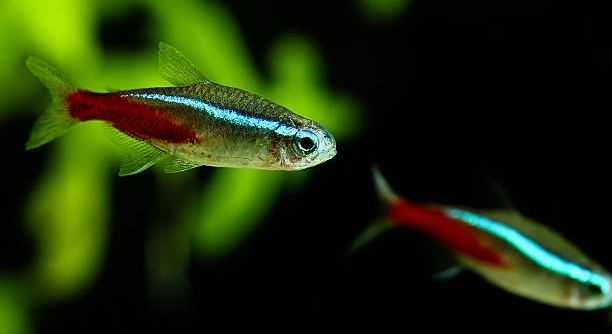
Tetras are small, colorful fish often kept in home aquariums. Many owners notice their tetras hiding in decorations throughout the day. Understanding why they do this can help improve their care and environment.
Tetras hide in decorations mainly for safety and comfort. They feel secure in covered, shaded areas that protect them from perceived threats. This behavior is natural and helps reduce stress while allowing them to rest and avoid bright lights or sudden movements.
Learning why tetras prefer to stay hidden can improve their tank setup and overall well-being. Knowing their needs makes for a happier, healthier fish community.
Feeling Safe in Their Space
Tetras often hide because their natural instinct is to feel safe. In the wild, they live in places with plenty of plants and rocks to hide behind. This helps protect them from predators. In a home aquarium, decorations like plants, caves, and driftwood give them the same sense of security. When they tuck themselves away, it means they feel comfortable in their space. If a tank has too much open space or strong lighting, tetras may feel exposed and stressed. Providing hiding spots helps reduce their anxiety and encourages natural behavior. It’s important to arrange the tank with enough cover so they can choose when to hide and when to swim freely. By understanding this, you create a better environment that matches their needs and habits. This also keeps the fish calmer, which helps their health and makes them more active when they come out.
Tetras feel safer when they have places to hide, which lowers their stress and improves their health.
A tank with plenty of decorations mimicking their natural habitat helps tetras feel protected. Adding plants and caves encourages them to explore without fear. This balance between hiding spots and open swimming space is key. Too few hiding places can stress the fish, while too many may cause them to stay hidden more than necessary. Finding the right amount allows tetras to show their colors and swim freely. The goal is a tank that offers security and comfort, letting your tetras thrive.
Avoiding Bright Light and Disturbances
Tetras are sensitive to bright light and sudden movements. Strong lighting can make them uncomfortable, causing them to hide more often. Similarly, noisy or active surroundings can frighten them. Keeping the tank in a calm area and using softer lighting helps the fish feel at ease. A dimmer light or floating plants can provide shade, making the environment more relaxing. When the tank is peaceful, tetras are less likely to retreat to decorations all day. This makes it easier to watch and enjoy their natural behavior.
A calm, softly lit tank encourages tetras to swim openly rather than hide constantly.
Bright lights and sudden activity can stress tetras, leading them to hide. Using gentle lighting and keeping the environment quiet reduces this stress. Floaters or tall plants create shaded spots that help tetras adjust to light changes. When their tank feels safe and calm, tetras show more natural behavior, swim confidently, and interact more with their environment. This improves their well-being and helps them stay healthy. Adjusting lighting and minimizing disturbances is an easy way to support their comfort.
Stress and Illness
When tetras feel stressed or sick, they tend to hide more often. Hiding is their way to protect themselves from perceived danger and conserve energy. Stress can come from poor water quality, sudden changes, or aggressive tank mates.
Maintaining stable water conditions is crucial for tetra health. Fluctuations in temperature, pH, or ammonia levels can make them uncomfortable and cause stress. If water quality is poor, tetras may become weak and hide away, sometimes refusing to eat. Regular water tests and partial water changes help keep the tank healthy. Observing your fish for signs of illness like clamped fins, faded color, or sluggish behavior can help catch problems early. Providing a clean, calm environment reduces stress and encourages active swimming and normal behavior.
Aggressive fish in the tank can intimidate tetras, making them retreat to hiding places. It’s important to choose peaceful tank mates that don’t bully them. Keeping the aquarium balanced with compatible species promotes harmony.
Natural Behavior and Schooling Instinct
Tetras are schooling fish, meaning they feel safer in groups. When kept alone or in small numbers, they may feel vulnerable and hide more. Having enough tank mates encourages them to swim together and be more confident. Schools of tetras move in unison, which helps reduce stress and keeps them active.
A group of at least six tetras is ideal to promote natural schooling behavior. The company of other fish reduces fear and loneliness. Without a school, tetras may hide excessively, which can affect their health. When they swim in groups, they show their true colors and playful nature. Schooling also provides protection, as the group confuses potential threats. Adding enough tetras to your tank improves their social needs and overall happiness. This natural instinct is important for their well-being and can change their behavior significantly.
Tank Size and Space
Tetras need enough space to swim comfortably. Small or crowded tanks make them feel trapped and stressed. When space is limited, hiding becomes their way to cope.
A larger tank with open swimming areas and hiding spots balances their need for safety and movement. This setup helps tetras stay active and healthy.
Feeding and Hunger
Hungry tetras may hide if food is scarce or feeding times are irregular. Regular feeding routines encourage them to come out and eat confidently.
Change and New Environments
Tetras often hide when introduced to a new tank or after rearranging decorations. They need time to adjust to changes.
Providing familiar hiding places during transitions helps them feel secure while settling in.
FAQ
Why do my tetras hide all day?
Tetras hide for safety, comfort, or stress relief. They feel more secure in covered areas where they can avoid bright light or potential threats. Stress from poor water quality, aggressive tank mates, or sudden changes also causes hiding. Providing a well-planted tank with plenty of decorations helps them feel safe and reduces hiding behavior.
Is it normal for tetras to hide a lot?
Yes, it is normal for tetras to hide sometimes. They are naturally shy and prefer places to retreat when they feel threatened or need rest. However, if they hide constantly and never come out, it could indicate stress, illness, or an unsuitable tank environment.
How can I get my tetras to come out of hiding?
Creating a calm, stable environment with proper lighting and plenty of hiding spots is key. Avoid sudden movements and loud noises near the tank. Feeding at regular times and ensuring they have a school of at least six tetras encourages them to swim openly. Improving water quality and removing aggressive fish also helps.
What kind of decorations do tetras like to hide in?
Tetras prefer natural decorations like live or silk plants, driftwood, and caves. These provide shade and shelter that mimic their natural habitat. Avoid sharp or rough decorations that could hurt them. Floating plants can also add shade and comfort.
Can tetras get stressed from too much hiding?
Hiding itself is a response to stress, but if they hide all the time, it can lead to lack of exercise and poor health. Constant hiding may mean the tank environment isn’t meeting their needs, such as poor water conditions, insufficient schooling, or unsuitable tank mates.
Does tank size affect tetra hiding behavior?
Yes, small or crowded tanks increase stress and hiding. Tetras need enough room to swim freely while having safe spots to hide. A minimum of 20 gallons is recommended for a small school. More space helps them feel less trapped and more comfortable.
How long does it take for tetras to stop hiding in a new tank?
It usually takes a few days to a couple of weeks for tetras to adjust to a new tank. During this time, they hide more as they get used to new surroundings. Keeping the tank stable, quiet, and well-decorated speeds up their comfort.
Can aggressive tank mates cause tetras to hide?
Yes, aggressive or territorial fish often scare tetras into hiding. Tetras are peaceful and do best with calm, non-aggressive species. Removing or separating aggressive fish helps tetras feel safe and swim openly.
Do tetras hide more at certain times of the day?
Tetras often hide during the brightest parts of the day or when the tank is noisy. They are more active at dawn and dusk, preferring dimmer light. Providing shaded areas and a quiet environment helps regulate their activity and hiding.
Is hiding a sign of illness in tetras?
Hiding can be an early sign of illness, especially if paired with other symptoms like clamped fins, lack of appetite, or faded color. Sick tetras seek shelter to rest and avoid stress. Monitoring their health and water quality is important for early treatment.
How many tetras should be kept together?
Tetras are schooling fish and should be kept in groups of at least six. Small groups or solitary fish feel vulnerable and hide more. A larger school promotes natural behavior, reduces stress, and encourages active swimming.
What lighting is best for tetras?
Soft or moderate lighting is best. Bright lights can stress tetras, causing them to hide. Floating plants or shaded spots help reduce direct light and create a comfortable environment. Using a timer for a regular day-night cycle supports their natural rhythm.
Should I rearrange decorations if tetras hide too much?
Sometimes rearranging decorations helps if the tank layout is causing stress or limited swimming space. However, sudden changes can also increase hiding temporarily. Make small adjustments and give tetras time to adapt.
Can tetras hide at night?
Tetras usually rest at night but don’t fully hide. They may stay in sheltered spots but remain calm. Nighttime hiding is normal as they conserve energy and avoid predators in the wild.
What role does diet play in tetra behavior?
A balanced diet supports health and energy, encouraging active behavior and reducing hiding. Poor nutrition can weaken tetras, making them hide more. Feeding a variety of high-quality flakes, pellets, and occasional live or frozen foods keeps them healthy and engaged.
Tetras are naturally shy fish that like to hide for safety and comfort. This behavior is part of their survival instinct and helps them feel secure in their environment. Providing a tank with plenty of decorations, plants, and shaded areas allows them to express this natural behavior without stress. It’s important to create a balanced space where they can both hide when needed and swim freely when they feel safe. Watching tetras swim openly and interact happily is a good sign that their environment meets their needs.
Keeping water quality stable and clean is essential for reducing stress in tetras. Changes in water temperature, pH, or the presence of toxins can make tetras feel unsafe, leading to more hiding. Regular water tests and proper maintenance help keep conditions ideal. Along with water care, choosing peaceful tank mates is important. Aggressive fish can scare tetras and cause them to hide excessively. A calm, quiet tank with the right lighting also supports their well-being. When these needs are met, tetras are more likely to be active and less likely to hide all day.
Tetras also need to be kept in groups to feel secure. They are schooling fish that thrive when surrounded by others of their kind. Being part of a group reduces fear and encourages natural behavior. Without enough companions, tetras may feel lonely or vulnerable, causing them to retreat more often. Feeding them regularly with a nutritious diet supports their health and energy, helping them feel confident enough to explore. Overall, understanding why tetras hide and meeting their basic needs creates a healthier, happier environment for these colorful fish. This care allows them to show their natural beauty and playful nature, making the aquarium more enjoyable for everyone.

Hello,
If you enjoy the content that we create, please consider saying a "Thank You!" by leaving a tip.
Every little bit helps us continue crafting quality advice that supports the health, happiness, and well-being of pets around the world, for pets of all shapes, sizes, and species.
We really appreciate the kindness and support that you show us!