
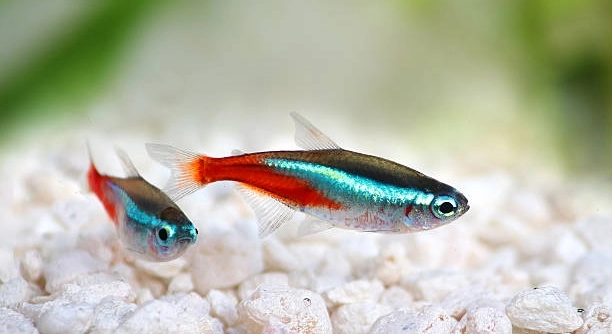
Many aquarium owners notice their tetra fish behaving nervously around the filter. This sudden fear can disrupt the peaceful environment you want to create. Understanding why this happens can help improve your fish’s comfort and well-being.
Tetras often fear the filter due to the strong water current, noise, and vibrations it produces. These environmental changes can be stressful, especially for smaller, more delicate fish like tetras, which prefer calm and stable surroundings for optimal health.
Learning how to reduce filter stress can create a more peaceful tank and help your tetras feel safe and secure in their home.
Understanding Tetra Behavior Around Filters
Tetras are naturally cautious fish. Their small size and delicate nature make them sensitive to sudden changes in their environment. The filter’s strong water flow can make them feel like they are struggling to swim or being pushed around, which causes stress. Noise from the filter motor and vibrations transmitted through the tank glass also contribute to their anxiety. In the wild, tetras swim in calm waters, so this unfamiliar environment can trigger fear responses. Observing their behavior closely helps to identify when they are uncomfortable. Signs include darting away from the filter, hiding frequently, or staying motionless near the tank bottom. Reducing these stressors can improve their health and behavior over time. Creating a tank environment with gentle water movement and hiding spots allows tetras to feel more secure and behave naturally. This understanding is key to maintaining a calm and thriving aquarium.
Filters are necessary but can be adjusted to reduce stress.
Providing areas of low flow helps tetras escape the filter’s strong currents, supporting their well-being and natural behavior in captivity.
Adjusting Filter Settings for a Calmer Aquarium
Choosing a filter with adjustable flow is important for tetra tanks. Many standard filters push water too forcefully, creating currents that overwhelm small fish. Using sponge filters or adding flow baffles can reduce water speed. Positioning the filter outlet so it directs water against a tank wall or decorations softens the current. Regular filter maintenance also reduces noise and vibrations that disturb fish. Besides mechanical adjustments, planting dense aquarium plants gives tetras places to hide and rest. These plants break up the water movement and create calm zones. Monitoring the tank regularly ensures that the filter remains clean without disrupting the environment. Such simple changes balance the need for clean water with the comfort of the fish. Creating this balance is essential for a peaceful aquarium where tetras can thrive without fear.
Creating Hiding Spots for Tetras
Tetras need places to feel safe and escape from strong currents. Providing plants, caves, or decorations gives them these refuges. These hiding spots reduce stress and encourage natural behavior. A well-decorated tank supports a healthier, calmer environment for your fish.
Dense plants like Java fern or Anubias create excellent cover. Floating plants also help by softening light and water movement. Small caves or tunnels made from aquarium-safe materials provide secure retreat areas. Position these hiding spots near the filter but in calmer zones to balance safety and water quality. Hiding places allow tetras to rest and regain confidence, reducing their fear of the filter’s presence. When fish feel secure, they are more likely to swim freely and display natural colors. Investing time in creating a well-structured tank pays off by improving your tetras’ overall happiness and health.
Providing multiple hiding spots also helps reduce territorial disputes among tetras. It lets shy fish find refuge without conflict, supporting peaceful community dynamics.
Monitoring Water Quality and Tank Conditions
Consistent water quality is crucial for tetra health. Poor water conditions increase stress, making fish more reactive to environmental factors like the filter. Frequent testing for ammonia, nitrites, and nitrates ensures safe levels. Keeping temperature stable between 72-78°F supports comfort. Sudden changes can worsen fear responses and weaken immune systems. Regular partial water changes help maintain cleanliness and reduce harmful buildup. Using a reliable water conditioner removes chlorine and chloramine, protecting delicate gill tissues. Clean water minimizes irritation, allowing tetras to focus on normal activities instead of survival. A stable environment lowers stress hormones, making fish less sensitive to filter noise and currents. Maintaining excellent water quality creates a solid foundation for a peaceful aquarium where tetras can thrive long term.
Positioning the Filter Correctly
The location of the filter affects how tetras experience the water flow. Placing it near tank corners can create strong currents in open swimming areas, increasing stress. Positioning the outlet toward a wall or plant cluster softens flow and reduces disturbance.
Filters aimed directly at open swimming space cause discomfort. Adjusting placement helps balance filtration with a calm environment.
Using Flow Control Accessories
Adding flow control accessories like spray bars or diffusers spreads water movement evenly. This prevents strong jets and reduces turbulence. These accessories help create gentle currents that tetras can handle comfortably.
Spray bars direct water across the tank surface, breaking up strong flows. Diffusers further soften water output, improving overall tank harmony.
Watching for Signs of Persistent Stress
Continued fear of the filter may indicate other tank issues. Observe your tetras for signs such as fading colors, loss of appetite, or erratic swimming. These symptoms suggest stress beyond just filter problems and require further investigation.
Tank Size and Stocking Considerations
Overcrowding amplifies stress around the filter. Keeping a balanced fish population allows enough space and reduces competition for hiding spots.
FAQ
Why do my tetras hide near the filter but seem scared to swim around it?
Tetras instinctively avoid strong currents and noisy areas. The filter creates water movement and vibrations that feel threatening to them. They hide nearby because it offers some protection but still avoid open water exposed to these stresses. Providing gentle flow and places to retreat helps them feel safer.
Can the filter’s noise really affect my tetras?
Yes, the noise from the filter motor and water flow can cause stress. Fish have sensitive hearing and detect vibrations through their lateral lines. Continuous noise can make tetras nervous or agitated, affecting their behavior and health. Regular filter maintenance and quiet models can reduce this problem.
How can I reduce the filter’s impact without compromising water quality?
Use flow control devices like spray bars or baffles to soften currents. Position the outlet so water flows against a wall or plants rather than into open areas. Choose filters with adjustable flow rates or sponge filters designed for gentle circulation. These changes keep water clean while easing stress on fish.
Is it normal for tetras to be more active at night because of the filter?
Tetras are naturally more active during dawn and dusk, but strong filter currents during the day can make them hide. When the filter is less noisy or less active at night, they feel safer swimming freely. Adjusting flow to lower stress during the day encourages more natural activity patterns.
Could an improperly sized filter cause stress to my tetras?
Yes. A filter that moves too much water for the tank size can create excessive currents and noise. This overwhelms small fish like tetras, making them fearful. Using a filter rated for your tank size or smaller with flow adjustments helps maintain comfort and clean water balance.
Do all tetra species react the same way to filters?
No, some species are more sensitive than others. For example, neon tetras are more delicate and easily stressed by strong currents, while larger or hardier tetras may tolerate moderate flow better. Knowing your specific tetra type helps in setting up the tank environment appropriately.
How often should I check and clean the filter to keep tetras comfortable?
Cleaning every two to four weeks is usually sufficient, depending on tank conditions. Over-cleaning can disrupt beneficial bacteria, but a dirty filter creates noise and poor water flow. Regular checks prevent malfunction and maintain a stable environment, reducing stress on tetras.
Are there filter types better suited for tetra tanks?
Sponge filters are popular for tetra tanks because they provide gentle water movement and good biological filtration. Hang-on-back filters with adjustable flow can also work well. Avoid powerful canister filters unless modified to reduce flow, as they tend to create strong currents unsuitable for small fish.
Can adding more plants reduce my tetras’ fear of the filter?
Yes, plants break up water flow and provide hiding spots near the filter outlet. Dense plants absorb some vibrations and create shaded areas, both of which help tetras feel secure. Live plants also improve water quality, contributing to overall comfort.
What signs indicate my tetras are still stressed despite filter adjustments?
Look for continued hiding, faded colors, clamped fins, or erratic swimming. Loss of appetite and lethargy are other stress signals. If these persist after modifying the filter setup and tank environment, consider other factors like water quality or tankmates causing tension.
Filters play an important role in keeping aquarium water clean and healthy for your tetras. However, their presence can sometimes create challenges for these small, sensitive fish. Understanding that tetras prefer calm and gentle environments helps explain why they might be afraid of the filter. By recognizing the effects of water currents, noise, and vibrations, you can take steps to make the tank more comfortable for your fish. Adjusting the filter’s flow, positioning it carefully, and adding hiding places all contribute to a less stressful habitat. These changes create a balance between maintaining clean water and supporting your tetras’ natural behavior.
Creating a peaceful aquarium means paying attention to more than just the filter itself. Water quality and tank conditions are equally important to your tetras’ well-being. Keeping water clean and stable, with regular testing and maintenance, supports their health and reduces stress. Providing plants and decorations not only breaks up strong currents but also offers safe spaces for tetras to retreat when they feel threatened. These simple but thoughtful steps encourage your fish to swim freely and exhibit their natural colors and behaviors. It’s a process that requires patience, but the results are rewarding.
Keeping your tetras comfortable around the filter improves their overall quality of life. Watching your fish swim confidently and interact calmly shows that the environment is right for them. Every tank setup is different, so experimenting with flow adjustments and tank decor helps find what works best. Remember, tetras thrive in gentle, stable conditions where they can feel secure. By combining proper filter management with good tank care, you create a home where your tetras can live happily and healthily for years to come.

Hello,
If you enjoy the content that we create, please consider saying a "Thank You!" by leaving a tip.
Every little bit helps us continue crafting quality advice that supports the health, happiness, and well-being of pets around the world, for pets of all shapes, sizes, and species.
We really appreciate the kindness and support that you show us!